FUE Hair Transplant
Istanbul
FUE Hair Transplant in Istanbul is available at 3 hospitals in the Voumed network.
FUE hair transplant, short for follicular unit extraction, moves a person's own healthy hair follicles from a dense donor area to thinning or bald areas, one graft at a time, for a natural and permanent result. Because the transplanted follicles come from a zone that resists hair loss, the new hair behaves like normal hair and keeps growing for life. The technique leaves no long scar, which is why it has become the most popular method for treating pattern baldness and reshaping a receding hairline. Many people travel abroad for hair transplant to reach experienced teams and complete the whole procedure comfortably within a few days.
On this page
At a glance
- Anaesthesia
- local anaesthesia; the scalp is fully numbed so the procedure is painless
- Hospital stay
- day case, discharged the same day
- Procedure time
- about 6 to 8 hours, often a single session
- Recovery
- back to office work in 2 to 3 days; crusts clear by about day 7 to 10
- Time before flying home
- usually safe to fly 2 to 3 days afterwards, after the first wash
- Results visible
- new growth from month 3 to 4; the full natural result by about 12 months
What it is
FUE is a hair restoration technique in which individual follicular units, the small natural groupings of one to four hairs, are removed one by one from a donor area and replanted where hair is thin or absent. The donor zone is the band of scalp at the back and sides of the head, above and behind the ears, where follicles are genetically resistant to the hormone that drives pattern baldness. Because those follicles keep that resistance after they are moved, the result is permanent. Unlike the older strip method, FUE harvests grafts without removing a strip of scalp, so it leaves no linear scar and only tiny dot-like marks that are hidden by surrounding hair. The patient's own hair is used throughout, and the whole plan, including the new hairline, is designed for the individual.
When it is recommended
Hair transplant suits people with permanent hair loss who still have a healthy donor area to draw from. The most common reason is androgenetic alopecia, the inherited pattern that thins the hairline, temples and crown in men and causes diffuse thinning in many women. It is also used to restore hair lost permanently after burns, accidents or surgery, to fill scars, and to refine cosmetic concerns such as lowering or reshaping the hairline, rebuilding thin temples or strengthening density in a particular area. For hair loss caused by an active scalp or autoimmune condition, treatment is usually delayed until the shedding has fully stabilised, so that the transplanted hair has the best chance of lasting.
How it is performed
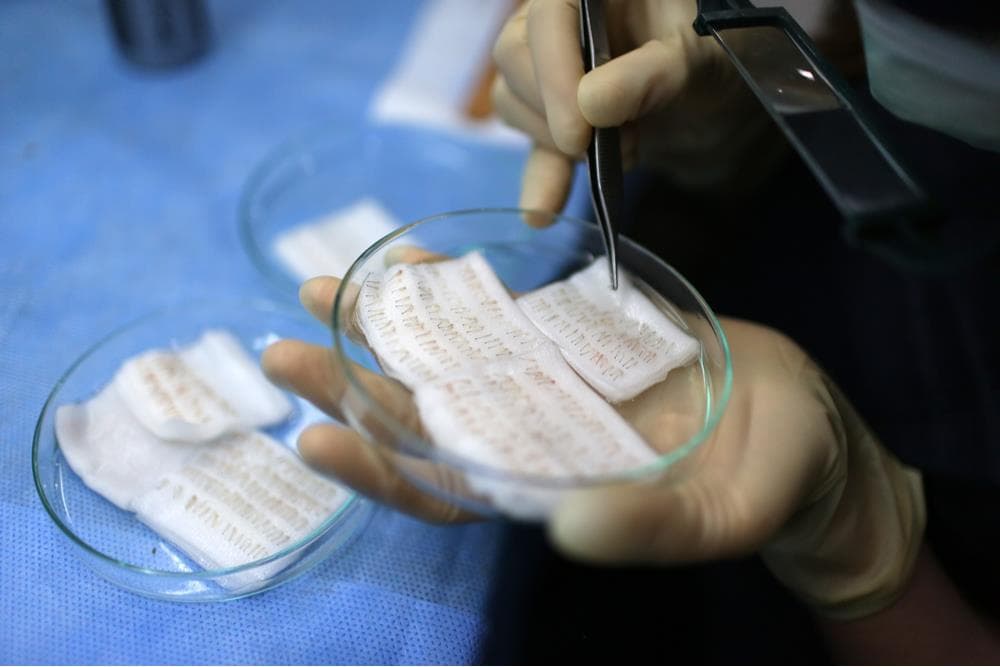
The day begins with planning: the hair and scalp are analysed, the new hairline is designed to suit the face and age, and the number of grafts is estimated from the degree of thinning. The donor and recipient areas are numbed with local anaesthesia, so the whole procedure is painless, and light sedation is occasionally added for comfort. Using a fine micromotor, the surgeon harvests follicular units one by one from the donor zone. Tiny channels are then created in the thinning area, often with a sapphire blade, and the grafts are placed following the natural direction, angle and density of growth so the result looks completely natural; in the DHI variation a special implanter pen opens the channel and places the graft in one step. A single session can typically move several hundred to a few thousand grafts and lasts about 6 to 8 hours; a very large area may need a second session. A light dressing is applied and the patient goes home the same day.
Candidacy and preparation
A good candidate has stable, permanent hair loss, a healthy and sufficiently dense donor area, and realistic expectations about coverage. Younger patients whose hair loss is still progressing may be advised to wait or to combine the transplant with medical treatment, so the plan holds up over time. General health is reviewed, and conditions or medicines that affect bleeding or healing are discussed in advance. Preparation is simple: avoid alcohol and blood-thinning medicines and supplements for a few days beforehand on medical advice, stop smoking where possible because it slows healing, and arrive with clean hair. For international patients, an initial assessment can usually be done remotely from photographs, with the hairline and graft plan confirmed in person on the day.
Recovery and planning your treatment abroad
Recovery is quick and does not involve much pain. The scalp may feel tight and look red with small crusts around each graft for the first week; the dressing is removed within a day or two, the first gentle wash is taught before you leave, and the crusts fall away by about day 7 to 10. Most people return to desk work within 2 to 3 days, while strenuous exercise, swimming and direct sun are avoided for a couple of weeks. A short trip is usually enough: it is generally safe to fly home 2 to 3 days afterwards, once the first wash is done and the team confirms healing is on track. The transplanted hairs shed within the first few weeks, which is completely normal, then regrow from around month 3 to 4, with the full natural result appearing by about 12 months. Follow-up continues remotely with photos at set milestones, and international patient teams commonly provide interpreters and coordinators so guidance is clear throughout.
Risks, safety and results
Carried out by an experienced team, FUE is a low-risk procedure performed under local anaesthesia, but because it is still minor surgery it deserves a proper clinical setting. The most common effects are temporary: redness, swelling of the forehead, small crusts and brief numbness that all settle within days to a few weeks. Less common risks include infection, poor graft survival or an unnatural look if the hairline is poorly designed, which is why surgical skill and an honest plan matter so much. The transplanted follicles keep their resistance to loss, so once they have settled and regrown they remain permanent; however, untreated hair elsewhere may continue to thin with time, and the surgeon will discuss whether medical treatment or a future session is worthwhile to keep the overall result balanced.
Frequently asked questions
These answers are general guidance and may vary by provider. Confirm the details with the hospital you choose.
Does a hair transplant hurt?
The scalp is fully numbed with local anaesthesia, so you feel no pain during the harvesting or the placement of the grafts. After the numbness wears off there may be mild tenderness, which is easily managed with simple painkillers, and light sedation can be added if you feel anxious.
How many days should I plan to stay abroad?
A short trip is usually enough. The procedure is completed in one day, and it is generally safe to fly home 2 to 3 days afterwards, once the first wash is done and the team has checked that healing is progressing well.
When can I fly home after the procedure?
Most patients fly home 2 to 3 days after the transplant. Waiting for the first wash and a quick check protects the new grafts, and your team will give you clear advice on protecting your scalp during the flight.
How many grafts will I need and how many sessions?
The number depends on the size of the thinning area and your donor density, and a single session can move several hundred to a few thousand grafts. Most cases are completed in one session, though a very large area may need a second one later.
When will I see results?
The transplanted hairs shed in the first few weeks, which is normal, then new growth begins around month 3 to 4. The hair thickens steadily, and the full, natural-looking result is usually seen by about 12 months.
Are the results permanent?
Yes. The follicles are taken from the donor zone that resists hair loss, so once they have settled and regrown they keep that quality and do not fall out again. Hair in untreated areas can still thin over time, which your surgeon will plan for.
Is it safe to travel abroad for a hair transplant?
It can be when the procedure is carried out by a qualified team in a proper clinical setting, with clear planning and aftercare. Choosing an experienced centre, following the washing and care instructions and allowing a short recovery before flying are the keys to a safe experience.
How does follow-up work once I am home?
Your team gives you written aftercare instructions and follows your progress remotely with photos at set points, such as the early weeks and the months when new hair grows. They stay reachable for questions, and interpreter support is available throughout.
Not sure which hospital fits your case?
Upload your medical records and let AI match you to the right hospital.
Upload records and get matchedAvailable at these hospitals

Estetik International Mecidiyeköy
istanbul
- Specialties
- 3

Memorial Bahçelievler Hospital
istanbul
- Specialties
- 31

Memorial Ataşehir Hospital
istanbul
- Specialties
- 28
Specialties
Not sure which hospital fits your case?
Upload your medical records and let AI match you to the right hospital.
Upload records and get matched