Mesotherapy
Istanbul
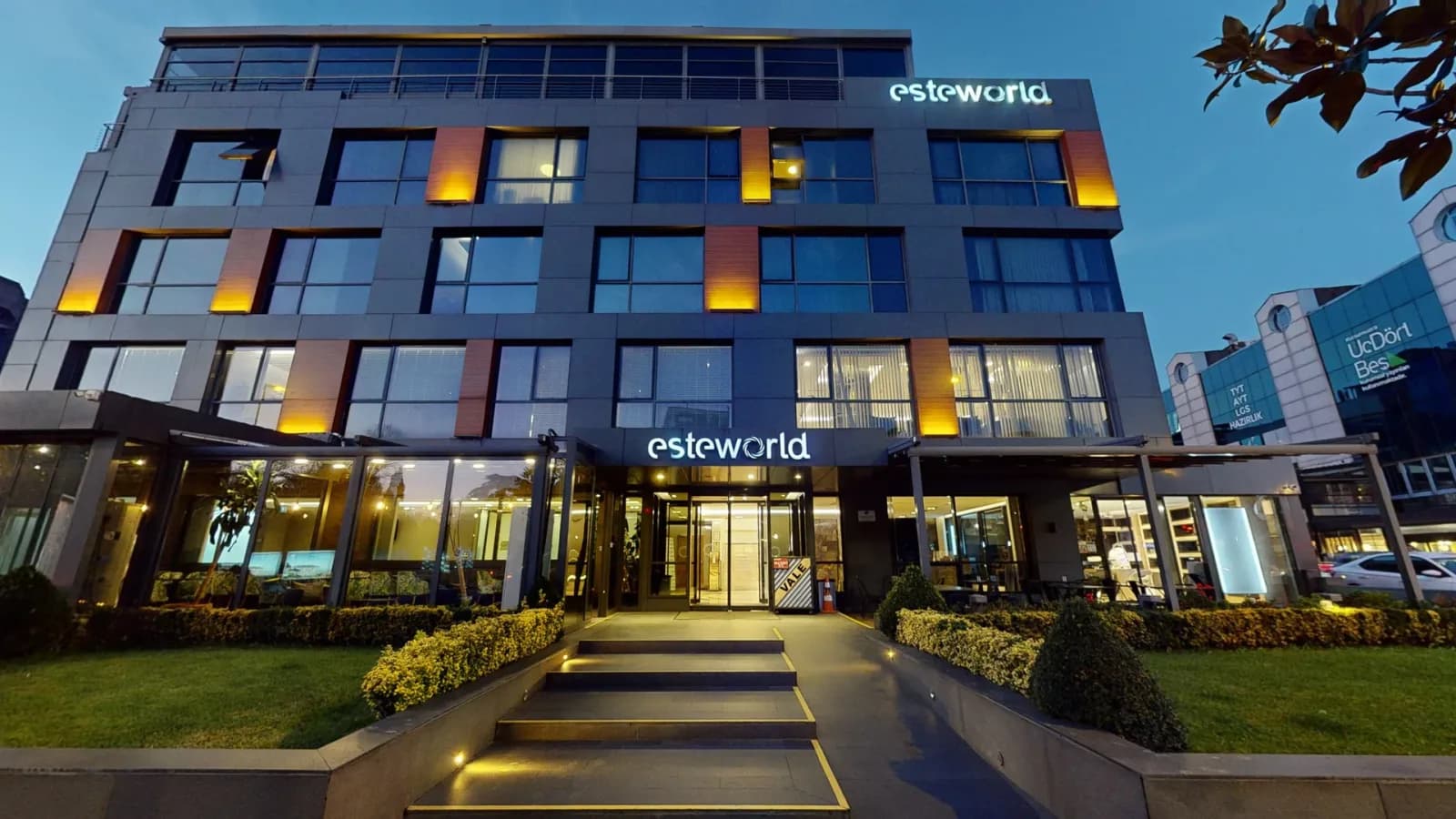
Mesotherapy in Istanbul is available at 1 hospital in the Voumed network.
Mesotherapy is a non-surgical treatment that delivers tiny, superficial micro-injections of vitamins, minerals, amino acids, hyaluronic acid and other nourishing agents into the middle layer of the skin, the mesoderm. By placing these ingredients exactly where they are needed, it aims to refresh tired skin, support thinning hair and soften localized fat and cellulite, depending on the blend that is chosen. The technique was first described in the 1950s and has been refined ever since into a flexible, well-tolerated way to rejuvenate the skin from within. Because the sessions are quick and require almost no recovery, many people fit mesotherapy around a short trip abroad, often alongside other aesthetic treatments, to combine expert care with a few relaxed days away.
On this page
At a glance
- Anaesthesia
- none needed; a numbing cream is applied for comfort
- Hospital stay
- none, it is a walk-in, walk-out treatment
- Procedure time
- about 20 to 40 minutes per session
- Sessions
- usually a course of several sessions, often spaced about a week apart
- Recovery
- little to no downtime; mild redness or small bruises settle within a few days
- Time before flying home
- same day; flying is comfortable straight after
- Results visible
- a fresher look within 1 to 2 weeks, building over the course of sessions and lasting several months
What it is
Mesotherapy is a cosmetic procedure in which a customised solution is injected just beneath the surface, into the dermal layer of the skin, using very fine needles. The mixture is tailored to the goal: skin rejuvenation blends often contain hyaluronic acid, vitamins, antioxidants and amino acids to hydrate the skin and stimulate collagen and elastin; hair blends contain vitamins, minerals and agents that nourish the follicles and the surrounding tissue; body blends are designed to help break down localized fat deposits and improve the look of cellulite. There is also a needle-free form that uses devices rather than injections to drive active ingredients into the skin, which can suit very sensitive areas or people who prefer to avoid needles. In every version the principle is the same, to deliver the right nutrients directly to the layer where they can work, rather than relying on creams applied to the surface.
When it helps
People choose mesotherapy for several reasons, sometimes more than one at the same time. For the face, neck, décolletage and hands it can revive skin that looks dull, dehydrated or tired, soften fine lines and improve tone and elasticity as a gentle anti-ageing step. For the scalp it is widely used to support hair that is thinning or shedding, by feeding the follicles and the skin around them. For the body it can target stubborn pockets of localized fat and reduce the dimpled appearance of cellulite, working best when combined with a healthy diet and regular exercise. It is also used to help fade certain pigmentation problems and to improve the look of some scars. Mesotherapy suits adults whose skin shows early signs of ageing or who want a non-surgical refresh, and it is generally not recommended below the age of twenty, before any age-related changes have appeared.
How it is done
A session begins with a consultation in which the skin or scalp is assessed and a solution is prepared to match the individual need. A numbing cream is usually applied first so that the treatment is comfortable, then the customised mixture is delivered through a series of very fine micro-injections placed across the treatment area, in a pattern that recalls the small, evenly spaced points used in acupuncture. The needles are short and thin, and the injections reach only the middle layer of the skin, so the procedure is well tolerated and no general anaesthesia or sedation is required. A single session usually takes about twenty to forty minutes, depending on the size of the area. Because the skin renews itself gradually, mesotherapy is normally given as a short course rather than a one-off, commonly several sessions spaced about a week apart, with the exact number tailored to the skin and the goal. Maintenance sessions every few months help to keep the result.
Candidacy and preparation
A good candidate is an adult in general good health with realistic expectations, who understands that mesotherapy gives a natural, gradual improvement rather than a dramatic or permanent change. It is not suitable for everyone: it is avoided during pregnancy and breastfeeding, and in people with certain conditions such as bleeding or clotting disorders, insulin-dependent diabetes, active cancer, a recent stroke or significant heart disease requiring multiple medicines, as well as in anyone with a known allergy to the ingredients planned for use. For this reason the treatment always starts with a careful assessment of the skin, the medical history and any allergies. In the days before a session it helps to avoid blood-thinning medicines and supplements where a clinician advises it, to limit alcohol, and to come with clean skin free of make-up. For international patients much of this screening can be done remotely through a questionnaire and photographs before travel, with the final assessment completed in person on arrival so the right plan and solution can be confirmed.
Recovery, results and planning treatment abroad
Mesotherapy has very little downtime, which is one of its main attractions. Most people return to their normal day straight after a session; the treated area may look slightly red and a little swollen, and small bruises or pinpoint marks can appear at the injection sites, but these usually settle within a few days. For the first day it is sensible to keep the area clean, avoid washing it for a short while, stay out of strong sun, skip heavy exercise and saunas, and drink plenty of water. A noticeable freshness often appears within one to two weeks, and the result builds with each session of the course; the benefit typically lasts several months, after which top-up sessions maintain it. Because there is no real recovery period, mesotherapy fits easily into a trip abroad, with flying comfortable the same day. When a course needs several visits, an international patient team can plan the schedule around the length of the stay or arrange the remaining sessions closer to home, and interpreters and coordinators are commonly available so that language is never a barrier.
Risks, safety and results
When performed by a trained professional using sterile equipment and approved ingredients, mesotherapy is generally considered safe and well tolerated. The most common effects are temporary and mild: tenderness, redness, swelling, itching or small bruises at the injection points, which fade on their own within a few days, sometimes a little longer in people with sensitive skin. Less commonly, the injected substances can trigger an allergic reaction, which is why a careful review of allergies beforehand is so important. Rare risks include infection if equipment is not properly sterile or hygiene is poor, and occasionally firm nodules or a temporary darkening of the skin at treated sites. Choosing an experienced clinician working in a proper medical setting, with a solution matched to your skin, keeps these risks low. With a sensible course and good aftercare, most people are rewarded with skin that looks healthier, brighter and more refreshed, or with hair and body contours that look gradually improved.
Frequently asked questions
These answers are general guidance and may vary by provider. Confirm the details with the hospital you choose.
Is mesotherapy painful, and do I need anaesthesia?
It is usually well tolerated rather than painful. No general anaesthesia or sedation is needed; a numbing cream is applied to the area beforehand so that the fine micro-injections feel like small pricks. Any discomfort is brief and settles quickly after the session.
How many sessions will I need?
Mesotherapy is normally given as a short course rather than a single treatment. Many people have several sessions spaced about a week apart, with the exact number tailored to the skin or scalp and the goal; maintenance sessions every few months then help to keep the result.
Is there any downtime, and when can I fly home?
There is little to no downtime. You can usually return to your normal activities the same day and fly home straight away. The treated area may be slightly red or show small bruises for a few days, but nothing that prevents travel.
When will I see results and how long do they last?
A fresher, more hydrated look often appears within one to two weeks, and the effect builds with each session of the course. The benefit typically lasts several months, after which top-up sessions maintain it.
Can mesotherapy really help with hair loss or cellulite?
It is widely used to support thinning hair by nourishing the follicles, and to improve the look of localized fat and cellulite. Results vary from person to person, and body and hair treatments work best as part of a course combined with a healthy diet and regular exercise rather than as a single quick fix.
Who should avoid mesotherapy?
It is avoided during pregnancy and breastfeeding, and in people with bleeding or clotting disorders, insulin-dependent diabetes, active cancer, a recent stroke or serious heart disease needing several medicines, as well as anyone allergic to the planned ingredients. A consultation with a full medical and allergy history confirms whether it is suitable for you.
How does follow-up work once I am home?
Your clinician gives you simple aftercare advice and stays reachable for remote follow-up by message, photo or video. If your course needs further sessions, these can often be scheduled around your stay or continued with a trusted clinician closer to home, with interpreter support available throughout.
Not sure which hospital fits your case?
Upload your medical records and let AI match you to the right hospital.
Upload records and get matchedAvailable at these hospitals
Specialties
Not sure which hospital fits your case?
Upload your medical records and let AI match you to the right hospital.
Upload records and get matched