Brain Tumor Surgery
Istanbul
Brain Tumor Surgery in Istanbul is available at 12 hospitals in the Voumed network.
Brain tumor surgery removes or reduces a tumor inside the brain while protecting the abilities that make up daily life, such as speech, movement, vision and memory. Modern neurosurgery has changed enormously over the last twenty years, and the goal today is twofold: to remove as much of the tumor as can be done safely, and to leave the surrounding healthy brain working. Techniques such as awake surgery, brain mapping, fluorescence-guided removal and high-precision navigation now make it possible to operate close to critical areas that were once considered too risky. Many patients travel abroad for this surgery to reach high-volume neurosurgical teams, advanced operating-room technology and coordinated cancer care gathered under one roof, often with shorter waiting times than at home.
On this page
At a glance
- Anaesthesia
- general anaesthesia, or awake anaesthesia for tumors near the speech area
- Hospital stay
- usually 4 to 7 days, with 1 to 2 days in intensive care at first
- Procedure time
- highly variable, from about 3 to 8 hours depending on the tumor
- Recovery
- early recovery over 2 to 6 weeks; rehabilitation may continue for longer
- Time before flying home
- usually 2 to 3 weeks, once the wound has healed and the team approves
- Results visible
- the tumor is addressed at once; an MRI within 1 to 2 days confirms how much was removed
What it is
Brain tumor surgery, or craniotomy for tumor removal, is an operation in which the surgeon opens a small window in the skull, reaches the tumor and removes as much of it as is safely possible. Brain tumors are among the more common tumors, and they vary widely: some are benign and slow-growing, such as many meningiomas, while others are malignant and aggressive, such as high-grade gliomas, and some are spread from a cancer elsewhere in the body. Because every region of the brain controls a specific function, the surgical plan is built around the exact location of the tumor and the abilities nearby. The aim is never simply to take out tissue, but to relieve pressure, obtain a precise diagnosis from the removed tissue and protect the person's speech, strength, sight and personality. In many cases surgery is the first and most important step, followed where needed by other treatments.
When it is recommended
Surgery is considered when imaging shows a brain tumor that is causing symptoms, growing, or pressing on important structures, and when removing it is likely to help. Common reasons include persistent headaches that are worse in the morning, new seizures, weakness or numbness on one side of the body, changes in speech, vision or balance, and changes in memory or personality. Surgery is also recommended to obtain tissue for an exact diagnosis when this cannot be achieved any other way, since the precise tumor type guides all further treatment. Some small, deep or slow-growing tumors are watched with regular scans rather than operated on at once, and for a few locations radiosurgery or medical treatment may be preferred. The decision is always individual and made by a team that weighs the benefit of surgery against its risks.
How it is performed
The operation begins with detailed imaging, usually MRI, that is loaded into a navigation system so the surgeon can plan the safest route and track instruments in real time during surgery. For most tumors the patient is fully asleep under general anaesthesia. A small section of skull is temporarily lifted to reach the tumor, which is then removed using a microscope and fine instruments; an ultrasonic aspirator can gently break up and suck away tumor tissue. When the tumor sits next to areas that control speech or movement, the surgeon may use awake surgery, in which the patient is woken for part of the operation so that speaking and moving can be tested directly while the tumor is removed, keeping the risk to these functions very low. The brain itself has no pain nerves, so the patient feels no pain even while awake; only the scalp and covering layers carry sensation and these are numbed. Fluorescence-guided techniques can make tumor tissue glow under a special light, helping the surgeon separate it from healthy brain. At the end the skull is replaced and secured, and the scalp is closed. Depending on the tumor, the operation lasts roughly 3 to 8 hours.
Candidacy and preparation
A suitable candidate is someone whose tumor can be reached and removed with acceptable risk and who is well enough to undergo surgery and anaesthesia. Awake surgery in particular suits cooperative patients with a tumor near the speech area, but it is not chosen for those who cannot stay still or calm, who have certain serious heart or breathing conditions, or who must be positioned face down. Preparation includes detailed brain imaging, sometimes functional MRI to map important areas, blood tests, heart checks and a review of all medicines, with blood thinners adjusted in advance on medical advice. A clear discussion of the goals, the expected extent of removal and the risks is an essential part of planning. For international patients much of this assessment can begin remotely: recent scans and reports are reviewed before travel, so that on arrival the plan can be confirmed quickly and surgery scheduled without unnecessary delay.
Recovery and planning your treatment abroad
After surgery most patients spend the first day or two in intensive care for close observation, then move to a normal ward, with a total stay of about 4 to 7 days for an uncomplicated operation. An MRI within the first day or two shows how much of the tumor was removed. Headache, tiredness and some swelling are usual in the early days and settle steadily. Many people are walking and eating within a few days, while strength, speech or balance affected before surgery may improve gradually with rehabilitation. When planning treatment abroad, it is sensible to allow roughly 2 to 3 weeks in the destination city so the wound can heal, stitches or clips can be removed and a follow-up scan and review can be completed before flying. Air travel is generally safe once the surgical team confirms healing is on track at that review. If the tumor type calls for further treatment such as radiotherapy or medication, the team explains whether this can begin locally or be arranged at home. Afterwards, follow-up continues remotely by message, shared scans and video, and international patient teams provide interpreters and coordinators so language is never a barrier.
Risks, safety and results
In experienced hands and a properly equipped hospital, brain tumor surgery is a well-established operation, but because it involves the brain it carries real risks that are discussed in detail beforehand. Possible complications include bleeding, infection, swelling, seizures, fluid collection, and temporary or, less often, lasting changes in movement, speech, vision or memory depending on the tumor's location. Modern mapping, navigation and awake techniques are designed specifically to keep these risks as low as possible; for a tumor at the speech area, careful awake mapping keeps the chance of a lasting speech problem very low. The benefit of surgery is measured both by how safely the patient recovers and by how much tumor is removed, since fuller removal often improves the results of any later treatment. The removed tissue is examined to give an exact diagnosis, which then guides the complete care plan. With a skilled team, good planning and proper aftercare, most patients come through surgery safely with their key functions protected.
Frequently asked questions
These answers are general guidance and may vary by provider. Confirm the details with the hospital you choose.
Will I be awake during brain tumor surgery?
Most brain tumor operations are done with the patient fully asleep under general anaesthesia. Awake surgery is used mainly when the tumor sits next to the speech area, so the team can check your speech in real time as the tumor is removed. Even when awake you feel no pain, because the brain itself has no pain nerves and the scalp is numbed.
How many days will I need to stay abroad?
For an uncomplicated operation, plan for roughly 2 to 3 weeks in the destination city. This covers the surgery, the hospital stay of about 4 to 7 days, wound healing, removal of stitches or clips and a follow-up scan and review before you are cleared to fly home.
Is brain tumor surgery painful?
The procedure itself is not painful, because there are no pain nerves inside the brain and you are either asleep or have the scalp fully numbed. Afterwards a headache and some tenderness around the wound are common in the first days; these are expected and well controlled with medication.
When can I fly home after brain surgery?
Most patients fly home once the wound has healed, any stitches or clips are out and the team confirms at a follow-up review that recovery is on track, usually around 2 to 3 weeks after surgery. Flying too early is avoided, so waiting for that clearance is the safe approach.
How long does the operation take?
Times vary greatly and depend on the size, type and position of the tumor, ranging from about 3 to 8 hours, and sometimes longer for complex cases. An awake operation does not take longer than one under general anaesthesia, but very long operations are usually not done awake so the patient does not tire.
Will I need other treatment after surgery?
It depends on the exact tumor type, which is confirmed by examining the removed tissue. Some benign tumors need only surgery and regular scans, while others are followed by radiotherapy, medication or a combination. The team explains the plan and whether any further treatment can begin locally or be arranged near your home.
How does follow-up work once I am home?
You receive a written care plan and a clear schedule for follow-up scans. Your team stays reachable for remote review by message, shared imaging and video, and routine tasks such as removing remaining stitches can be done by a clinician near you. Interpreter support is available throughout so nothing is lost in translation.
Not sure which hospital fits your case?
Upload your medical records and let AI match you to the right hospital.
Upload records and get matchedAvailable at these hospitals

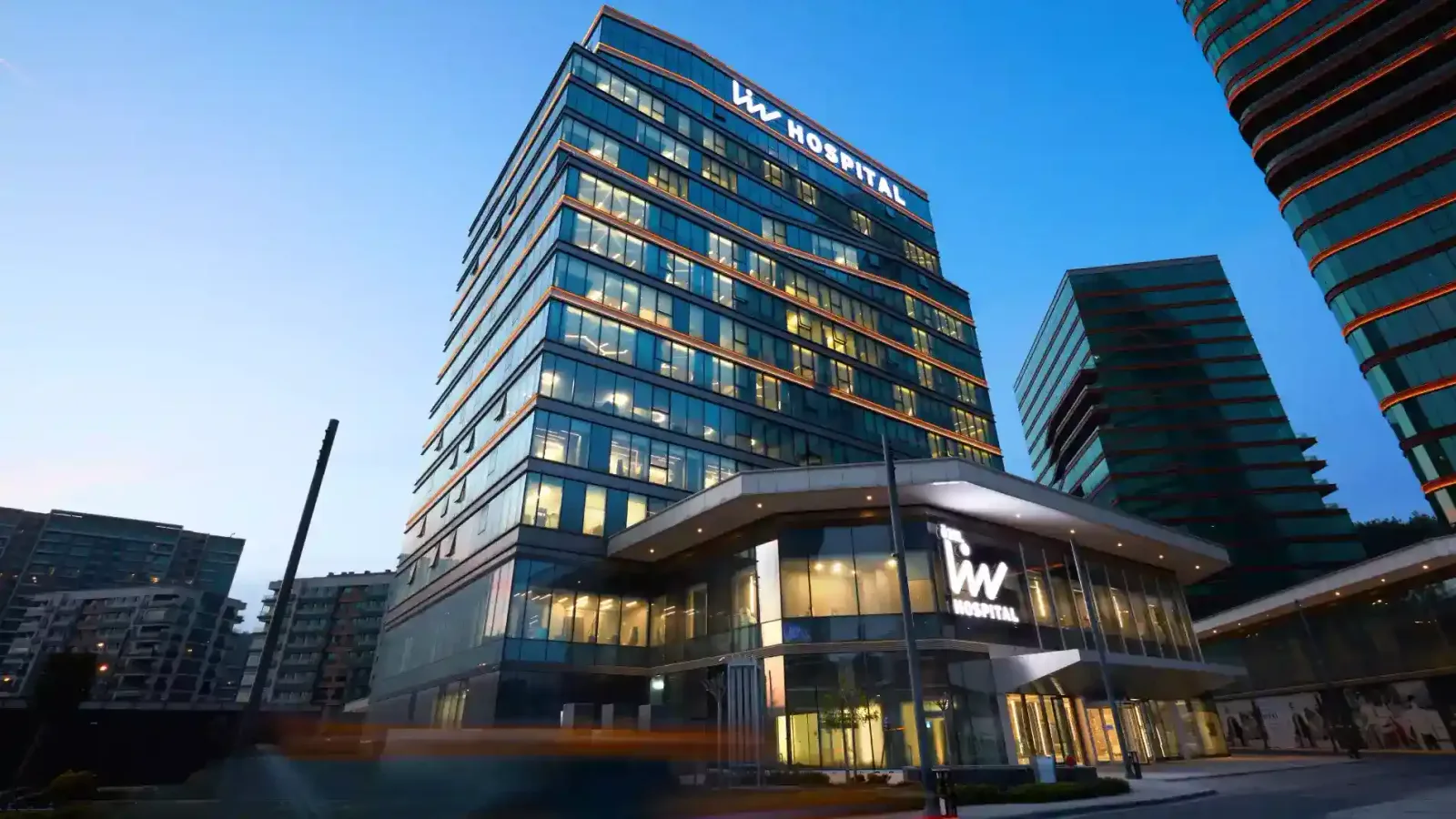
Liv Hospital Vadistanbul
istanbul
- Specialties
- 24

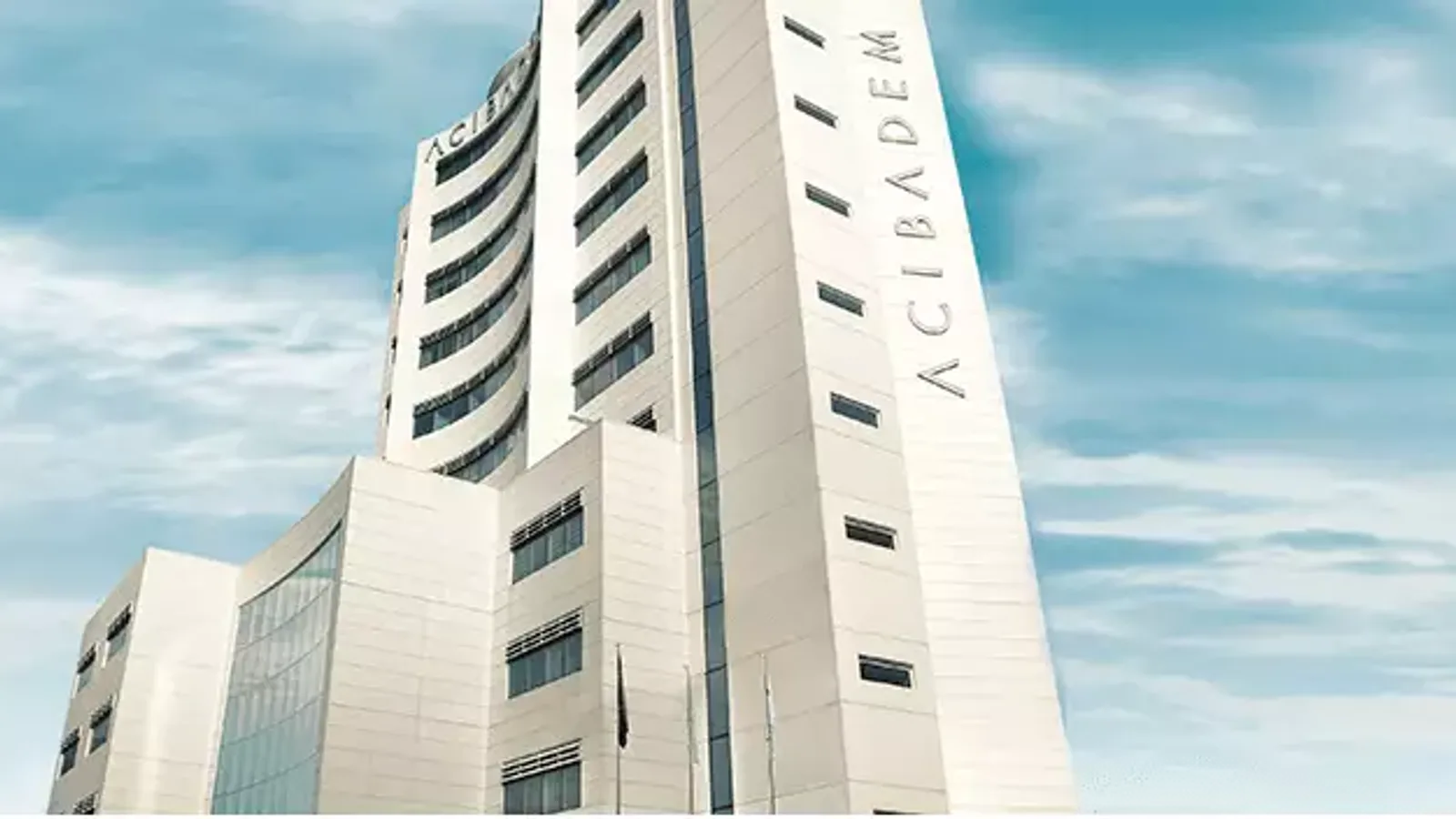
Acıbadem Altunizade Hospital
istanbul
- Specialties
- 28

Liv Hospital Topkapı
istanbul
- Specialties
- 18

Acıbadem Ataşehir Hospital
istanbul
- Specialties
- 29

Liv Hospital Bahçeşehir
istanbul
- Specialties
- 24

Liv Hospital Ulus
istanbul
- Specialties
- 24

Acıbadem Fulya Hospital
istanbul
- Specialties
- 22

Acıbadem Maslak Hospital
istanbul
- Specialties
- 29

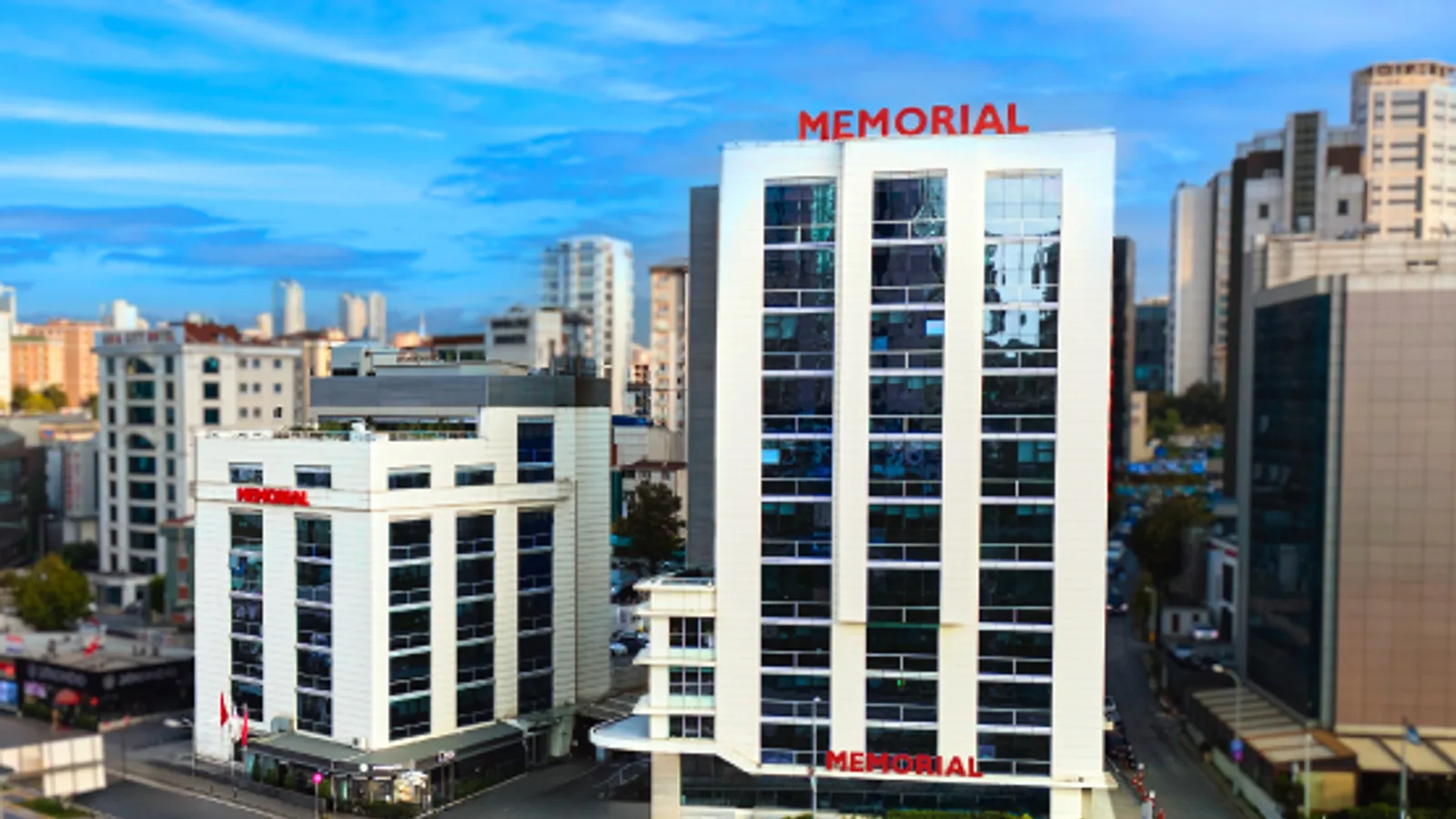
Memorial Bahçelievler Hospital
istanbul
- Specialties
- 31
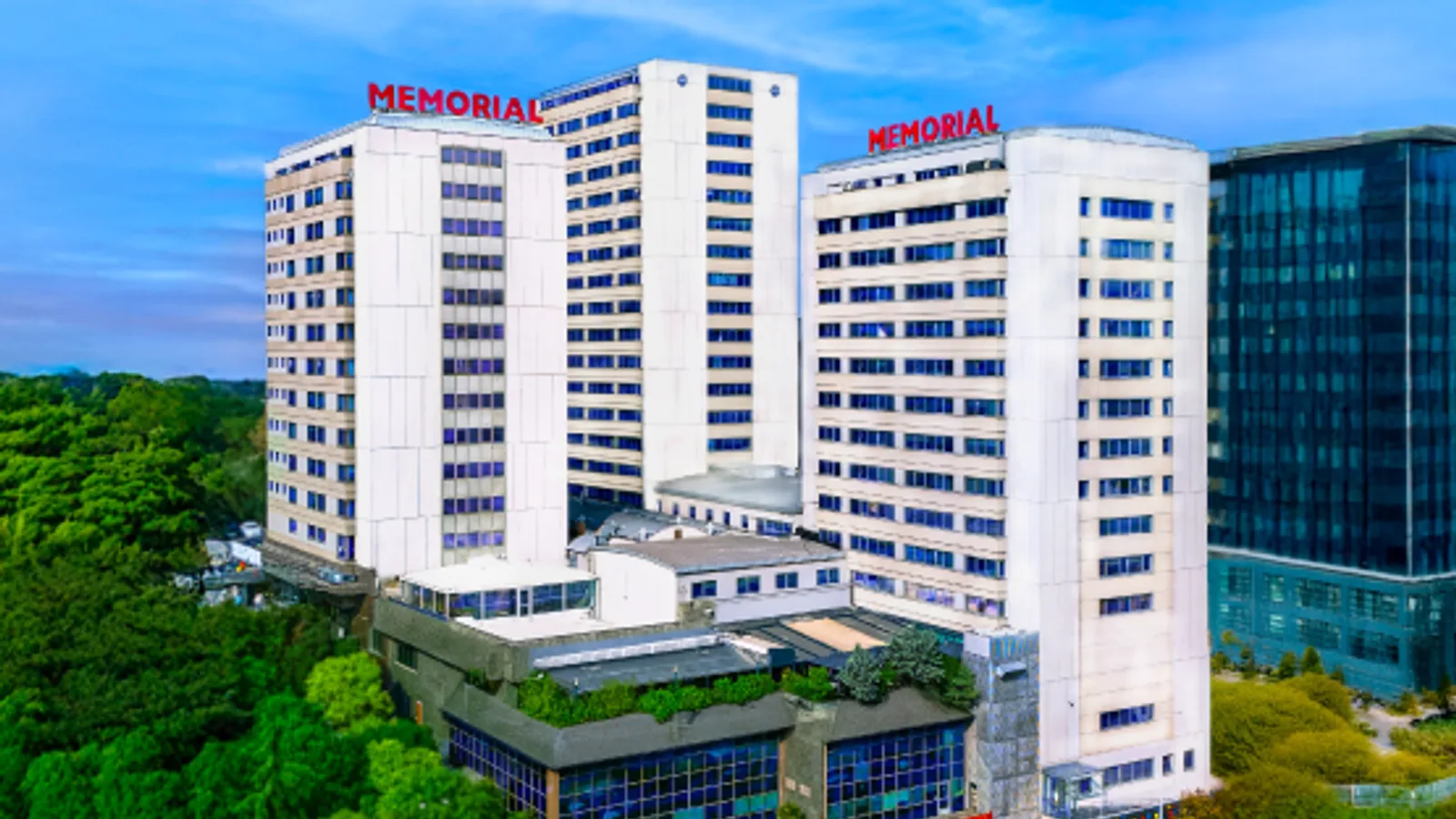
Memorial Şişli Hospital
istanbul
- Specialties
- 29
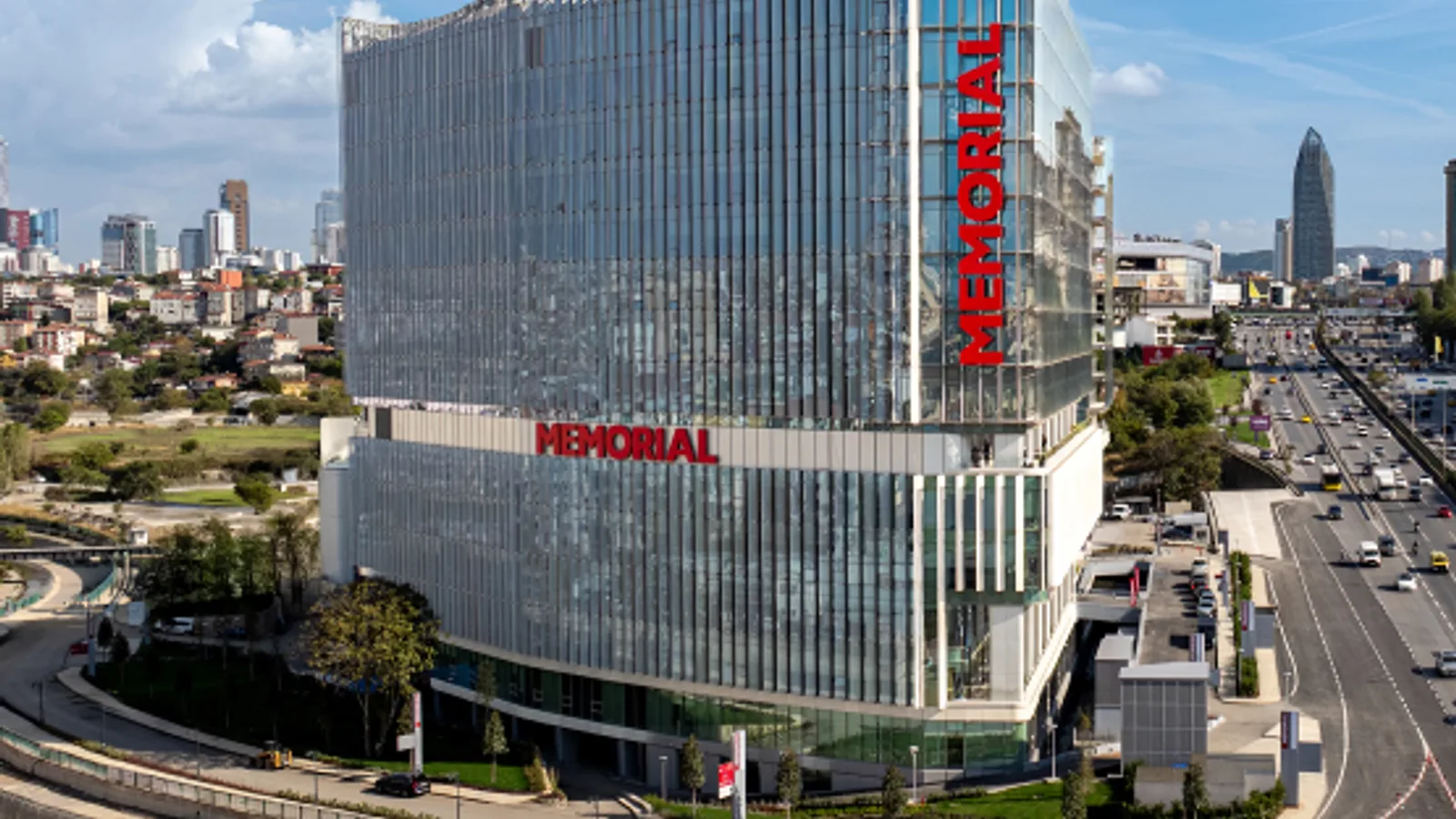
Memorial Göztepe Hospital
istanbul
- Specialties
- 24

Memorial Ataşehir Hospital
istanbul
- Specialties
- 28
Specialties
Not sure which hospital fits your case?
Upload your medical records and let AI match you to the right hospital.
Upload records and get matched