Teeth Whitening
Istanbul
Teeth Whitening in Istanbul is available at 9 hospitals in the Voumed network.
Teeth whitening, also known as dental bleaching, lightens teeth that have become stained, yellowed or dull, so the smile looks brighter and fresher. It is one of the simplest and most popular cosmetic dental treatments because it improves appearance without removing or reshaping any of the natural tooth, working instead by breaking down the stains that build up inside and on the surface of the enamel. A professional, dentist-supervised treatment is safer and far more effective than over-the-counter kits, and the colour change is often visible after a single short session. Many people add whitening to a focused trip abroad, where an experienced dental team can complete an in-office treatment in about an hour and provide custom take-home trays to maintain the result.
On this page
At a glance
- Anaesthesia
- none needed; the treatment is painless
- Hospital stay
- outpatient, no overnight stay
- Procedure time
- about 30 to 60 minutes for an in-office session
- Recovery
- no downtime; mild, short-lived sensitivity for a day or two is common
- Time before flying home
- same day; whitening fits easily into a short visit
- Results visible
- an immediate, noticeable change after a single in-office session
What it is
Teeth whitening is a cosmetic treatment that removes discolouration and stains to give teeth a whiter, more even and more youthful appearance. It uses a professional whitening gel based on peroxide that penetrates the enamel and breaks down the coloured molecules trapped within it, lifting stains without damaging the tooth surface. There are two main forms that are often combined. An in-office treatment is carried out in the dental chair, where a high-concentration gel is applied to the teeth and frequently activated with a special light or laser to speed up and intensify the effect, giving fast, visible results in a single visit. A take-home system uses custom-made trays and a milder gel that the patient wears at home for a set time each day over one to two weeks, either to whiten gradually or to extend and maintain an in-office result.
In-office versus take-home, and what causes staining
Teeth lose their brightness for several reasons, and understanding the cause helps set realistic expectations. The most common is extrinsic staining from everyday habits: coffee, tea, red wine, deeply coloured foods and especially smoking deposit pigments that gradually penetrate the enamel and dull the colour. With age the enamel naturally thins and the darker dentine beneath shows through more, so teeth look more yellow over time. Some discolouration is intrinsic, present within the tooth from developmental changes, certain medicines taken in childhood or genetics, and this type responds more slowly. In-office whitening is the faster, more powerful option and is ideal when a quick, controlled result is wanted, while take-home trays suit people who prefer a gentler, gradual change or who want to keep their result fresh between visits. The two approaches work well together, and the dentist recommends the combination that best suits the type and depth of staining.
Candidacy and what whitening can and cannot do
A good candidate has generally healthy teeth and gums and discolouration caused by staining, ageing or surface factors, which respond best to whitening. Realistic expectations matter: whitening lightens natural tooth enamel, but it does not change the colour of crowns, veneers, fillings, bonding or other dental work, which keep their original shade and may need to be replaced to match a newly whitened smile. For this reason, anyone with extensive restorations on the front teeth is often better suited to a wider smile-design plan. Whitening is also not a treatment for decay or gum disease; any active cavities, gum inflammation or heavy tartar are dealt with first, because whitening over an unhealthy mouth can cause discomfort and disappointing results. Intrinsic, deep or single-tooth discolouration responds less predictably and may be better addressed with veneers or bonding. A short examination, sometimes started remotely from photographs, lets the dentist confirm that whitening is the right choice and predict the likely result.
How it is done
An in-office treatment begins with a check of the teeth and gums to confirm they are healthy, and a professional clean to remove plaque and tartar so the gel can work evenly. The lips and cheeks are held back and a protective barrier is placed over the gums and soft tissue to shield them from the gel. The whitening gel is then applied carefully to the front surfaces of the teeth and, in many systems, activated with a light or laser to accelerate the reaction. The gel is left to work for a set period, usually around 15 to 30 minutes, then rinsed off, and the application may be repeated to reach the target shade. The whole session typically lasts 30 to 60 minutes, is painless and needs no anaesthesia, and the protective barriers are removed and the mouth rinsed at the end. For a take-home system, impressions or a scan are taken so that custom trays can be made; the patient is shown how to load a small amount of gel and wear the trays for the advised time each day, with the dentist monitoring progress.
Recovery, sensitivity and travel
Teeth whitening involves no real recovery, so normal activities continue straight away. The most common after-effect is temporary sensitivity to hot, cold or sweet foods, caused by the gel passing through the enamel; it is usually mild and settles on its own within a few hours to a few days. A desensitising toothpaste or a fluoride product recommended by the dentist eases this, and avoiding very hot or very cold foods for the first day or two helps. Occasionally the gums feel slightly tender where the gel touched them, which also passes quickly. Because there is no downtime, whitening fits neatly into a short trip and can even be done on the same day as arrival or combined with other dental work. To protect a fresh result, it is best to avoid strongly staining foods and drinks and smoking for about 48 hours, while the enamel is most absorbent. Air travel is completely comfortable immediately afterwards, and any take-home trays go with the patient to continue the treatment at home.
Results, how long they last and maintenance
Most people see a clear, satisfying change after a single in-office session, and the result can be deepened with a short course of take-home trays. How long the brightness lasts depends largely on lifestyle rather than on the treatment itself. With good oral hygiene and moderate exposure to staining foods and drinks, results commonly hold for one to several years, but heavy coffee, tea, red wine or smoking will dull the colour sooner. Whitening is not permanent, and the shade fades gradually, which is normal and expected. The result is easily refreshed, either with an occasional in-office top-up or by wearing the custom trays for a night or two, so a bright smile is simple to maintain over the long term. Regular brushing and flossing, routine dental cleanings and limiting staining habits all keep the teeth looking their best for as long as possible.
Frequently asked questions
These answers are general guidance and may vary by provider. Confirm the details with the hospital you choose.
Is teeth whitening safe for my teeth?
Yes. When carried out by a dentist with professional products, whitening is a safe, well-established treatment that does not damage the tooth structure. The gel breaks down stains within the enamel without removing any of the natural tooth, and the gums are protected throughout. The main risk is short-lived sensitivity, not harm to the teeth. Most safety concerns relate to unsupervised over-the-counter or excessive home use, which is why a dentist-led treatment is recommended.
Does whitening hurt or cause sensitivity?
The treatment itself is painless and needs no anaesthesia. Afterwards, some people notice temporary sensitivity to hot, cold or sweet foods as the gel passes through the enamel. This is common, usually mild and settles on its own within a few hours to a few days. A desensitising toothpaste and avoiding very hot or cold foods for a day or two help, and the degree of sensitivity varies from person to person.
How long do the results last?
Whitening is long-lasting but not permanent. With good oral hygiene and sensible eating and drinking habits, the brighter shade often holds for one to several years. Coffee, tea, red wine and smoking dull the colour faster. The result fades gradually, which is normal, and it is easily refreshed with an occasional top-up or by wearing custom take-home trays for a night or two.
Can it be done in a single visit during a short trip?
Yes. An in-office whitening session usually takes only about 30 to 60 minutes and produces a visible change the same day, so it fits comfortably into a short trip with no downtime. Many people combine it with other dental work or pair it with custom take-home trays to maintain the result, and there is no need to wait before flying home.
Will whitening also change my crowns, veneers or fillings?
No. Whitening lightens only natural tooth enamel; it does not change the colour of crowns, veneers, fillings or bonding, which keep their original shade. If you have visible dental work on your front teeth, the dentist will plan around this, since those restorations may need to be replaced to match a newly whitened smile. For more extensive cases, a complete smile-design plan is often the better option.
How do I keep my smile white after I go home?
Daily brushing and flossing, routine dental cleanings and limiting strongly staining foods, drinks and smoking all help the result last. Your dentist can provide custom take-home trays and gel so you can refresh the colour yourself when needed, and interpreter support and remote follow-up by message or photo are available if you have any questions once you are back home.
Not sure which hospital fits your case?
Upload your medical records and let AI match you to the right hospital.
Upload records and get matchedAvailable at these hospitals
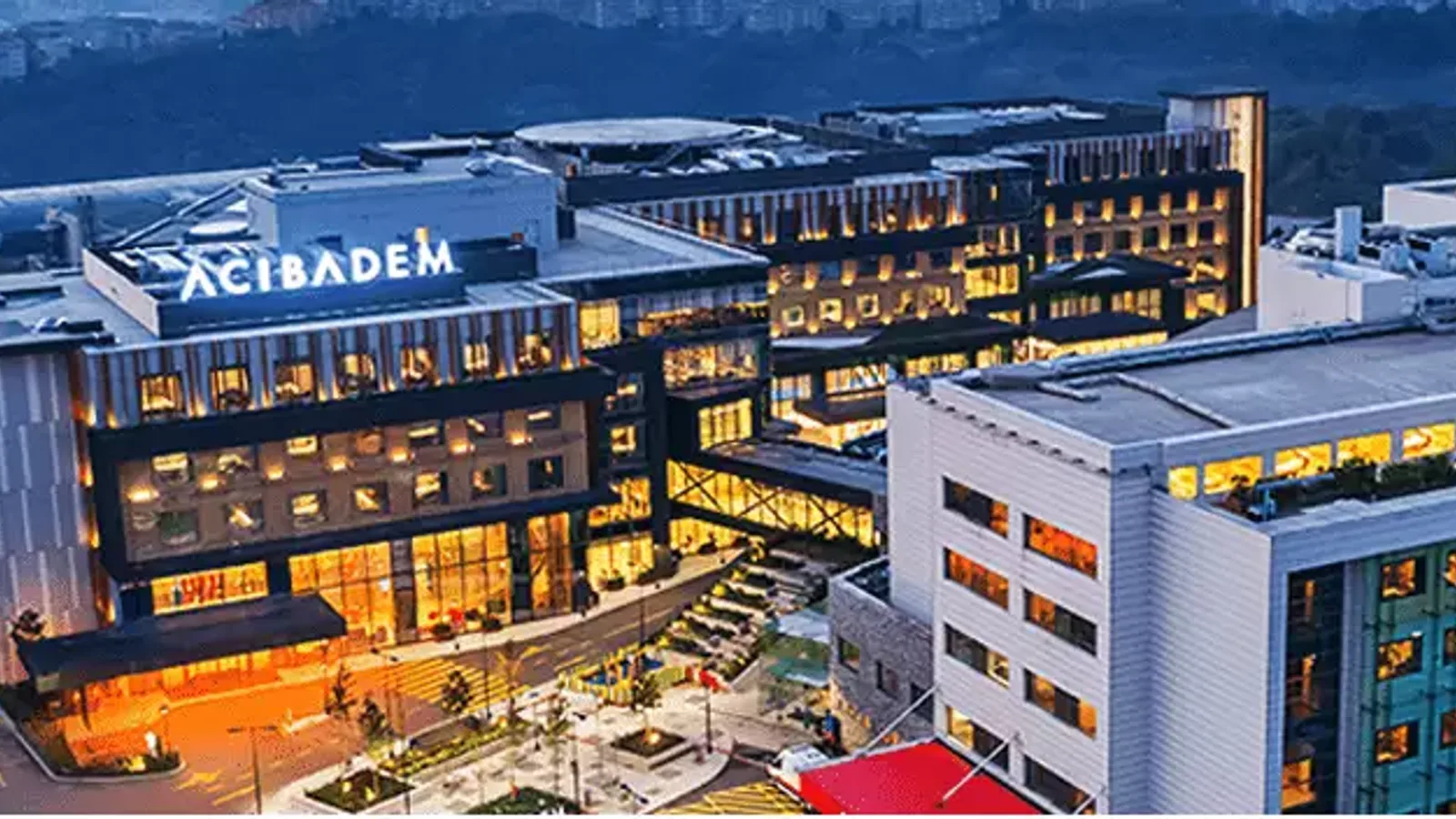
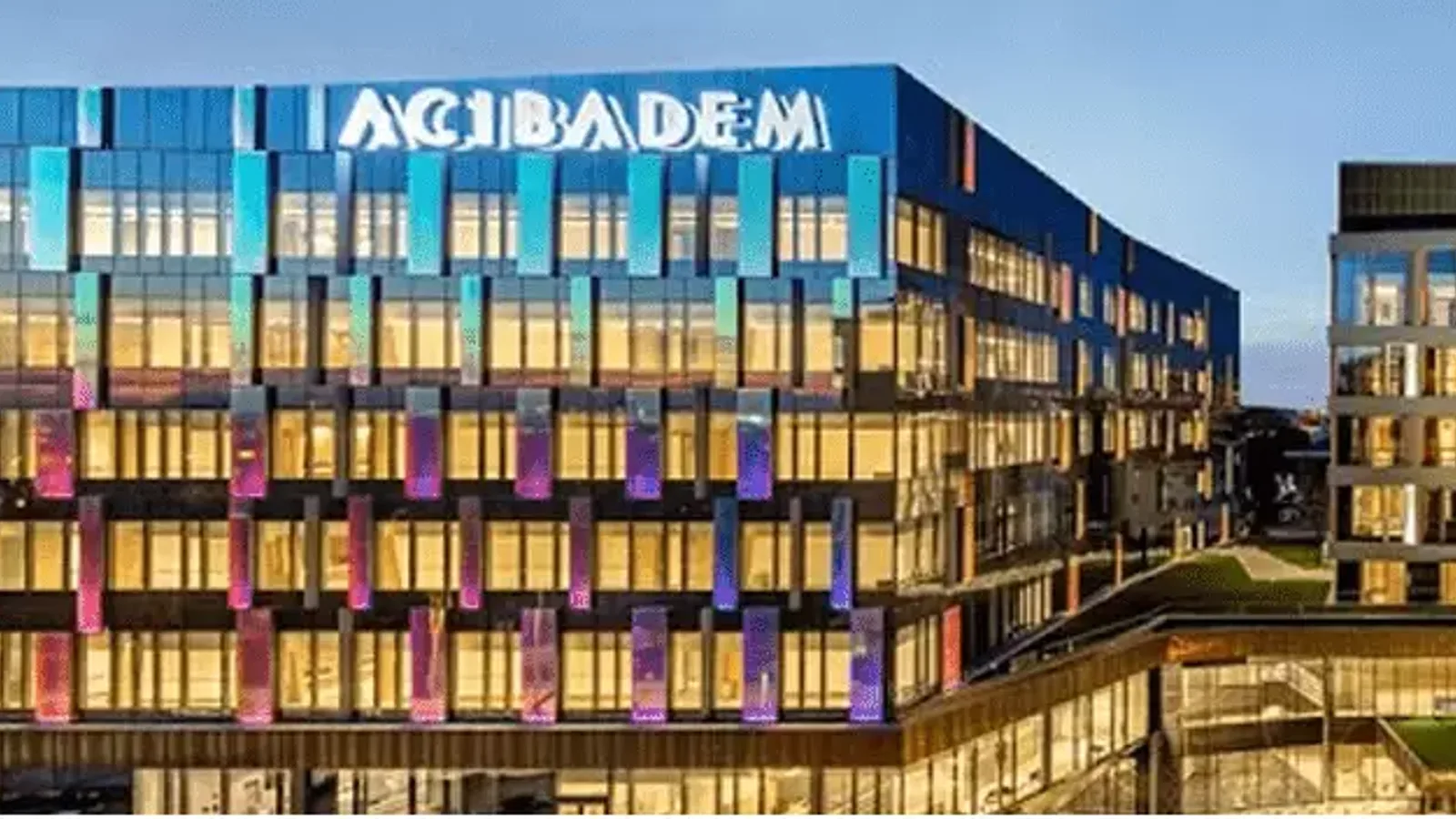
Acıbadem Altunizade Hospital
istanbul
- Specialties
- 28
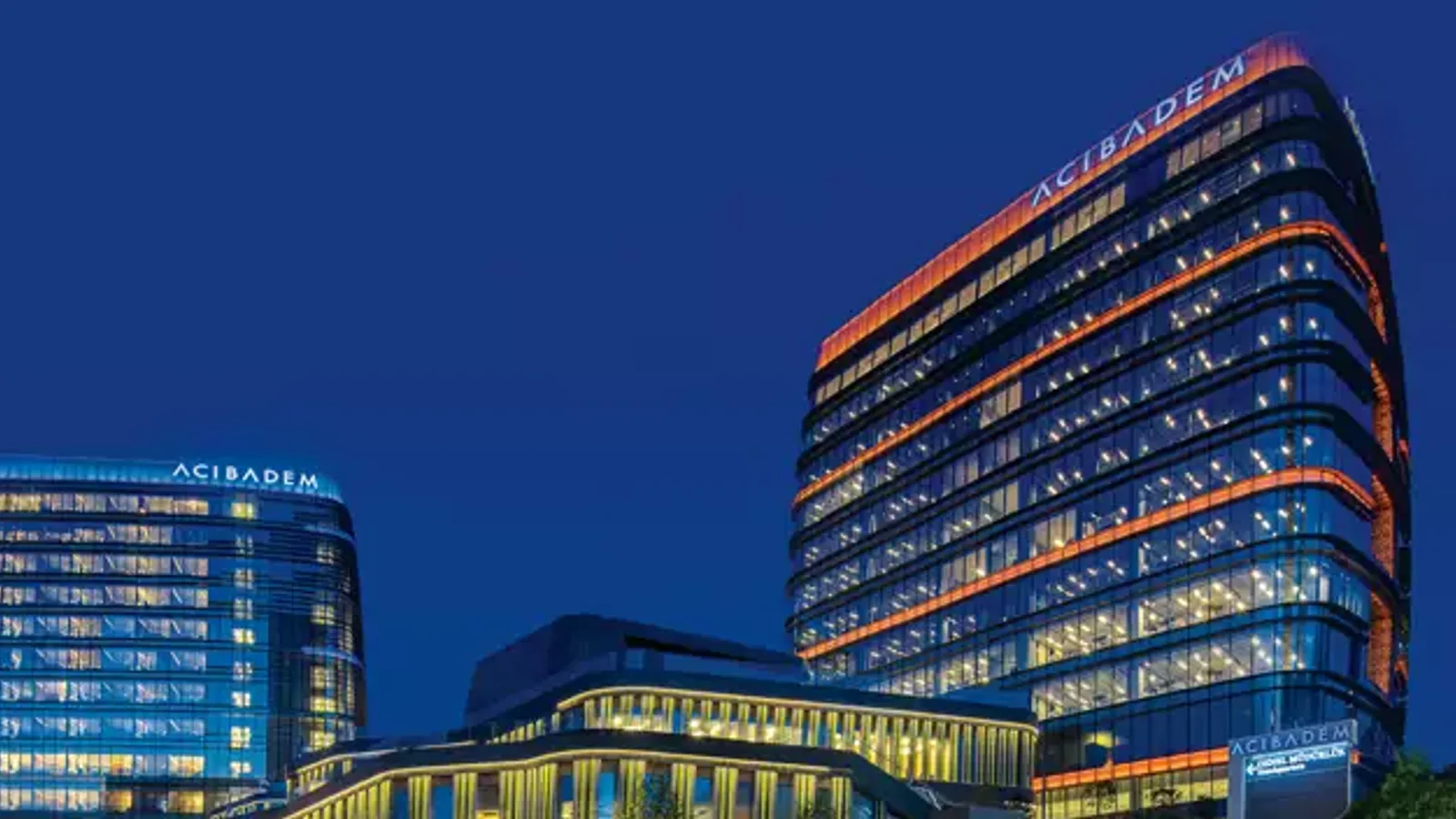
Acıbadem Ataşehir Hospital
istanbul
- Specialties
- 29
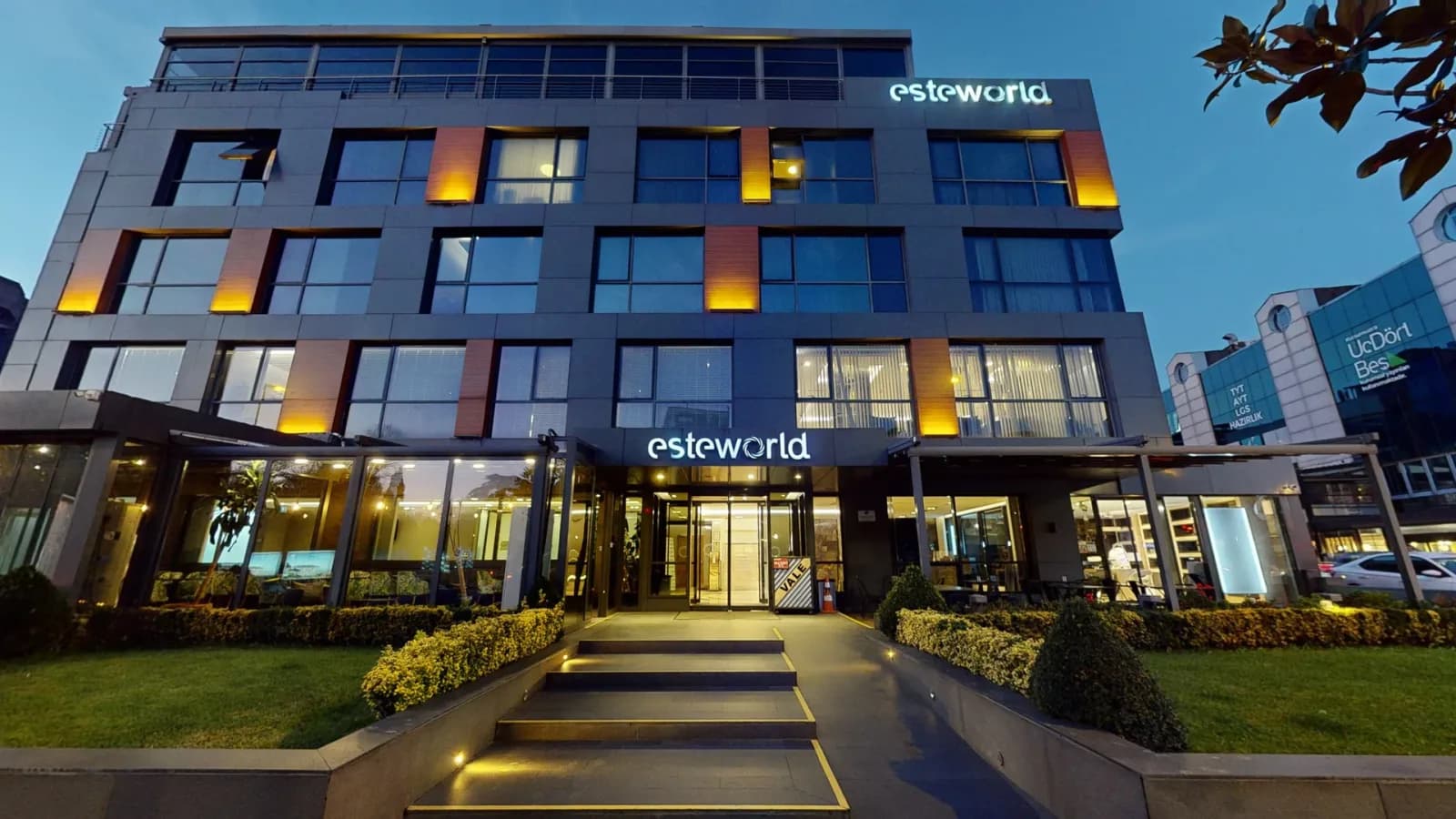
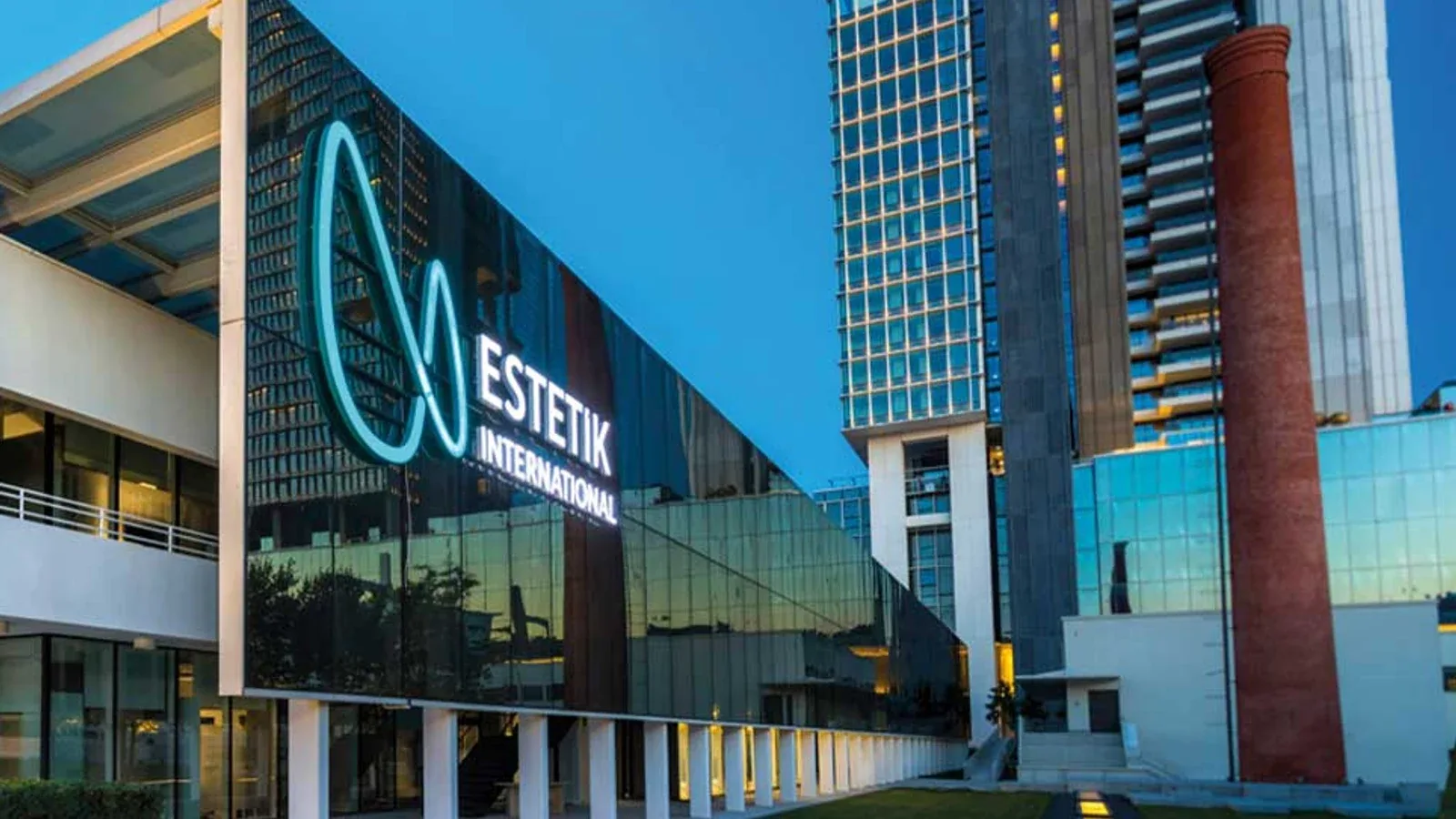
Estetik International Mecidiyeköy
istanbul
- Specialties
- 3
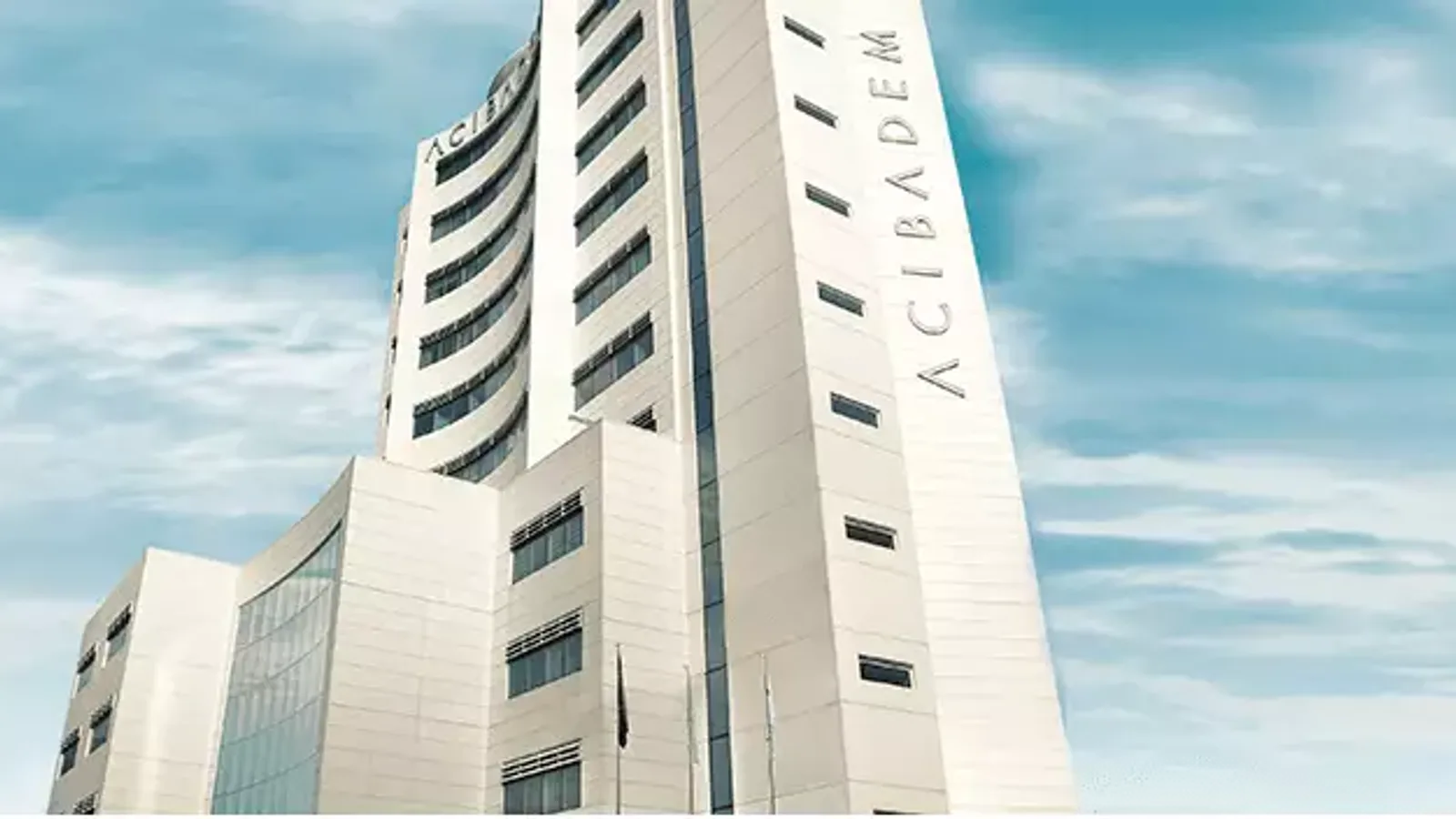
Acıbadem Fulya Hospital
istanbul
- Specialties
- 22

Acıbadem Maslak Hospital
istanbul
- Specialties
- 29

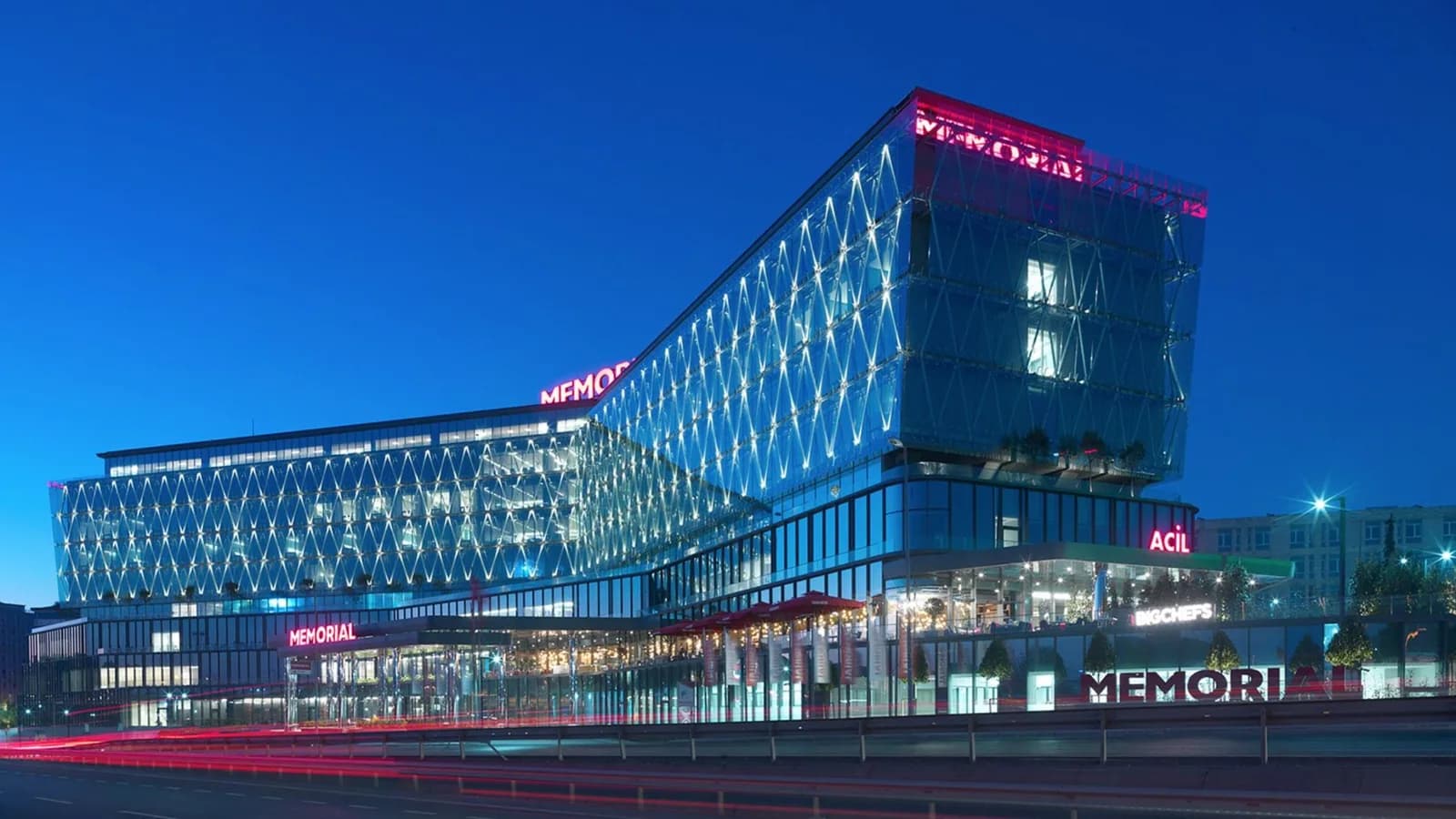
Memorial Bahçelievler Hospital
istanbul
- Specialties
- 31
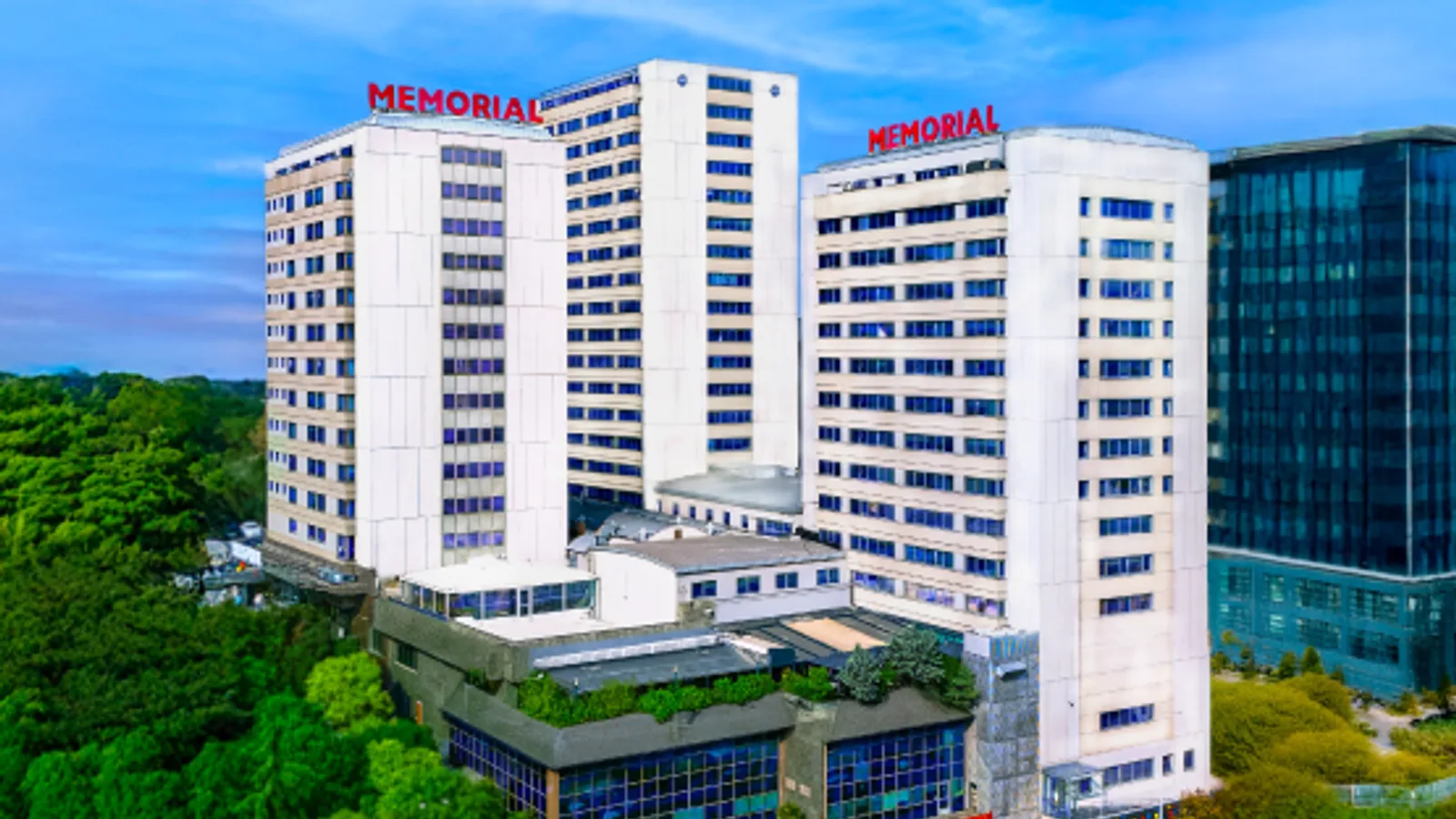
Memorial Şişli Hospital
istanbul
- Specialties
- 29
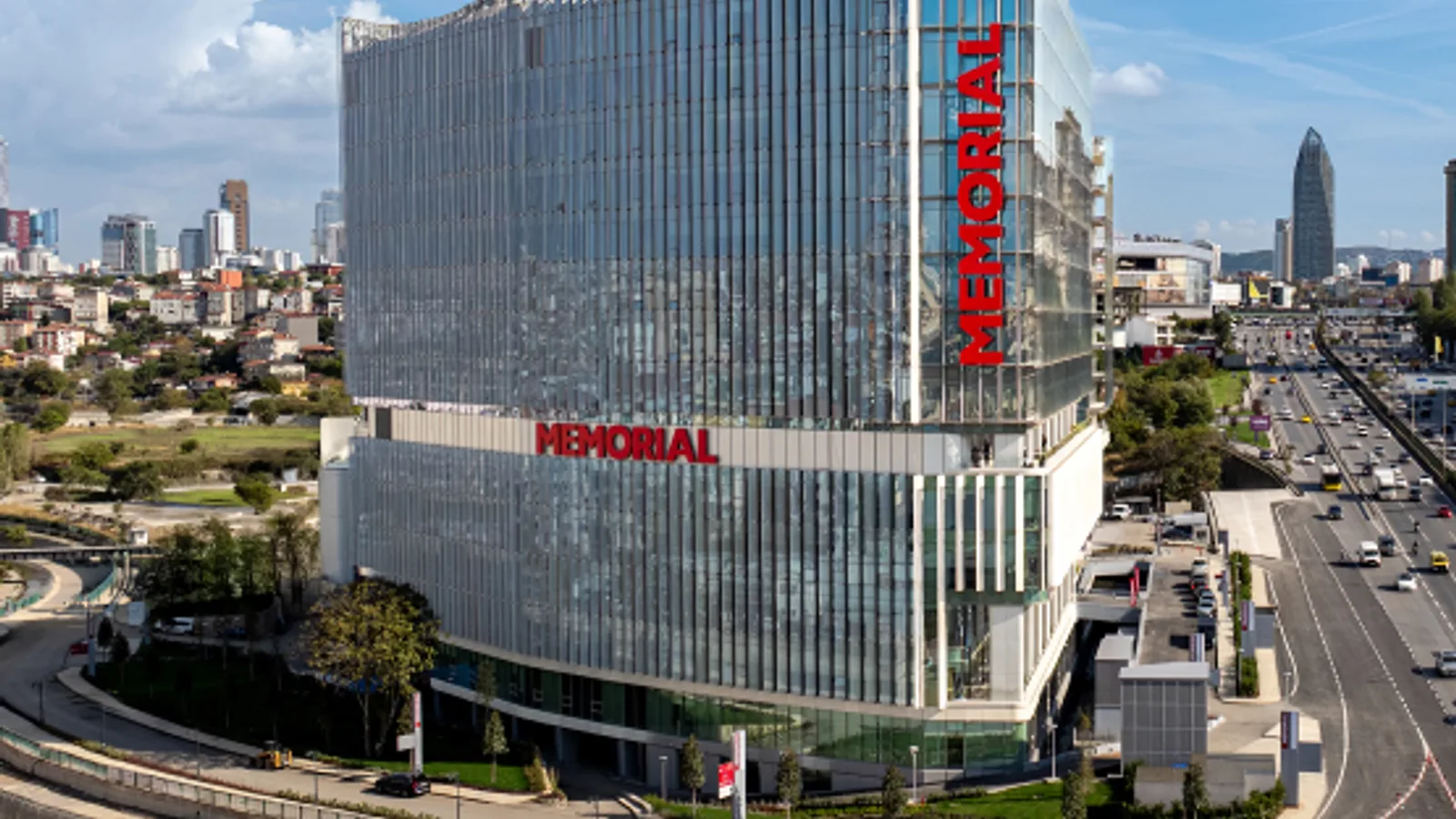
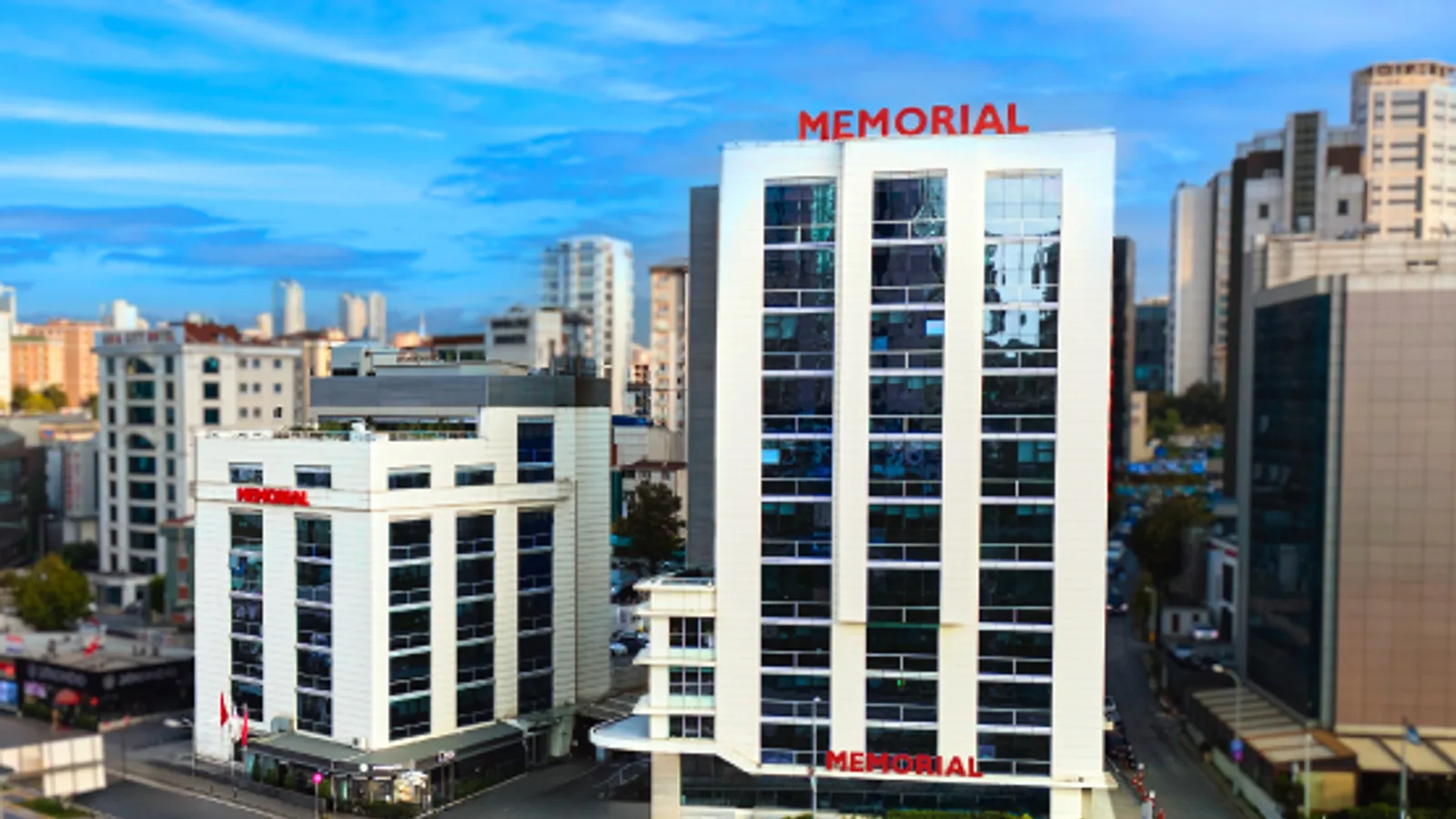
Memorial Göztepe Hospital
istanbul
- Specialties
- 24

Memorial Ataşehir Hospital
istanbul
- Specialties
- 28
Specialties
Not sure which hospital fits your case?
Upload your medical records and let AI match you to the right hospital.
Upload records and get matched