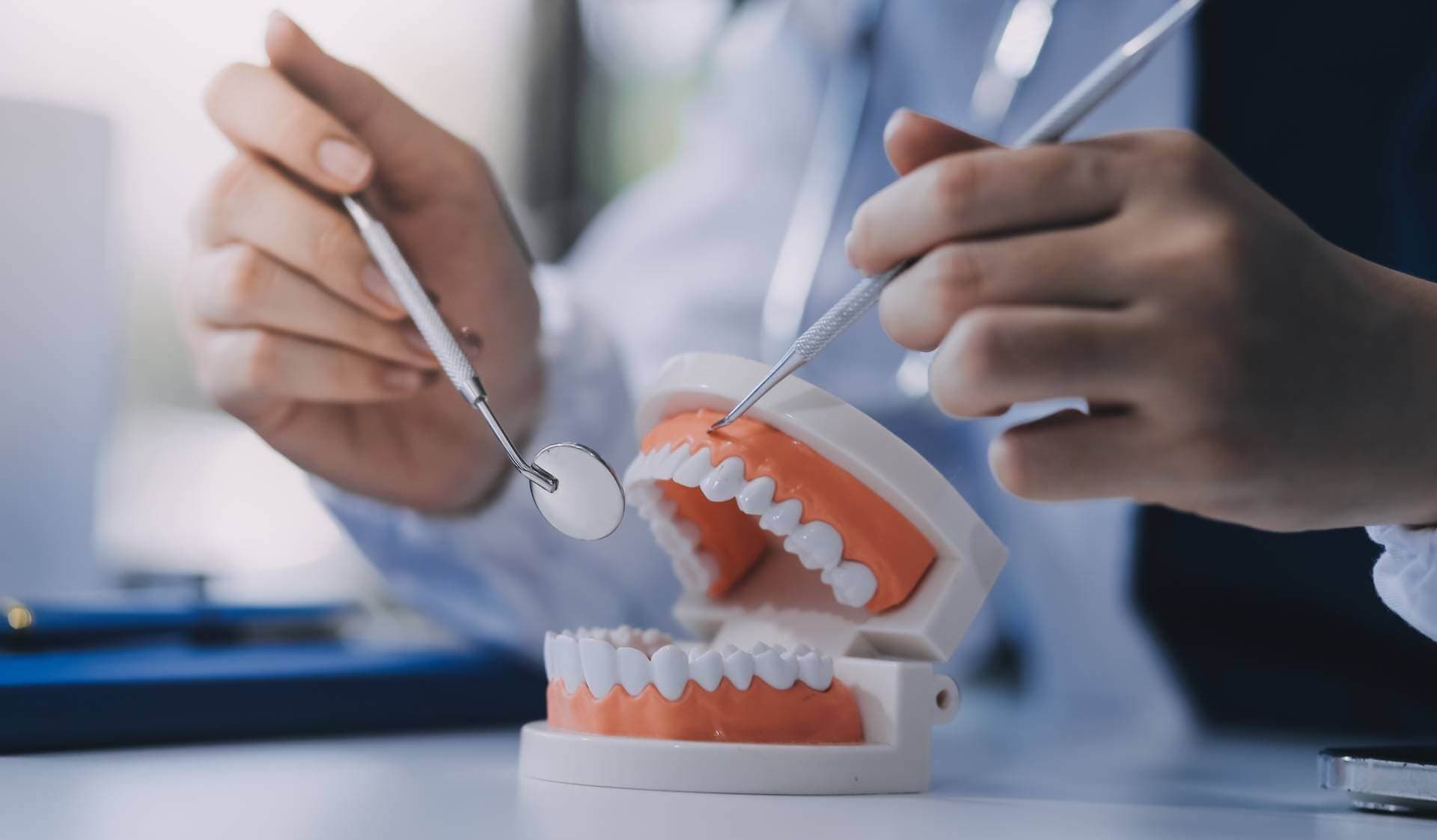
Dental Implant

Dental Implant

Istanbul

Dental Implant in Istanbul is available at 9 hospitals in the Voumed network.

A dental implant is an artificial tooth root, usually a small titanium screw, that is placed in the jawbone to replace a missing tooth. Once the bone has grown firmly around it, the implant supports a crown, bridge or denture that restores natural chewing and a complete smile. Implants are used for a single gap, several missing teeth or a whole jaw, and unlike a traditional bridge they do not rely on grinding down the neighbouring healthy teeth. Many people travel abroad for implant treatment to combine experienced dental teams and modern planning with a comfortable stay, often completing the surgical stage in a single trip.

On this page

At a glance

Anaesthesia
local anaesthesia, with sedation or general anaesthesia available for anxious patients or larger cases
Hospital stay
day case, no overnight stay needed
Procedure time
about 30 to 90 minutes, depending on the number of implants
Recovery
back to normal activity within 1 to 3 days; healing of the bone takes about 3 to 6 months
Time before flying home
usually safe to fly 1 to 3 days after placement
Results visible
a temporary tooth can be fitted early; the final fixed teeth are placed after the implant fuses with the bone

What it is

A dental implant replaces the root of a lost tooth with a biocompatible titanium post that is set into the jaw. Over the following months the bone bonds tightly to its surface, a natural process called osseointegration, which turns the implant into a stable foundation. A connecting piece called an abutment is then attached, and a custom crown, bridge or implant-supported denture is fitted on top. The result looks and feels like a natural tooth, transmits chewing forces into the bone the way a real root does, and helps preserve the jawbone that otherwise shrinks where teeth are missing. Because titanium is well tolerated by the body, the implant is not rejected the way a transplanted organ can be.

When it is recommended

Implants are considered whenever one or more teeth are missing and the gum and bone are healthy enough to support them. A single implant and crown replace one lost tooth without touching the teeth on either side. Several implants can carry a fixed bridge where a longer run of teeth is missing, including at the back of the jaw where there is no tooth behind the gap to anchor a conventional bridge. For people with no teeth in a jaw, a small number of implants can hold a full fixed bridge or firmly stabilise a denture that would otherwise slip. Implants are especially valued for restoring confident chewing and speech, and for protecting the remaining bone.

How it is performed

Treatment usually follows clear stages. First comes assessment: an examination of the mouth and a scan or special X-ray show the height, width and quality of the bone so the implant can be planned precisely; if the bone is thin, a graft may be added to build it up. The implant is then placed in a short operation under local anaesthesia, which numbs the area completely so the procedure is painless; sedation or general anaesthesia is available for anxious patients or full-mouth work. Placing one implant typically takes about 30 to 90 minutes depending on the number involved. A healing period of about 3 to 6 months follows while the bone fuses to the implant, and a temporary tooth can often be worn meanwhile so no visible gap is left. Finally the abutment is fitted and the permanent crown, bridge or denture is made and secured.

Candidacy and preparation

Good candidates have healthy gums, enough jawbone to hold the implant and general health that allows minor surgery. There is no upper age limit when health and bone are suitable, because overall health matters more than age; implants are avoided in the very young whose jaws are still growing. Conditions such as uncontrolled diabetes, heavy smoking, gum disease or certain bone medications need to be managed first, since they affect healing and the long-term success of the implant. Preparation includes treating any active gum infection, planning grafting if the bone is insufficient and reviewing medications. For patients travelling from abroad, the scan and plan can often be reviewed remotely beforehand, so the in-person visit can move efficiently from assessment to surgery.

Recovery and planning your treatment abroad

Recovery after implant surgery is usually mild. Any discomfort is similar to that after a routine tooth extraction and is easily managed with simple painkillers; minor swelling and soft eating for a few days are normal, and most people return to ordinary activity within 1 to 3 days. It is generally safe to fly home 1 to 3 days after placement. The longer part is the silent healing phase of about 3 to 6 months while the bone integrates, but this does not require staying abroad. Many international patients make two shorter trips, one for the surgery and one for the final teeth, or have the permanent restoration finished by a local dentist using the plan provided. Throughout, follow-up continues remotely, and international patient teams commonly arrange interpreters and coordinators so communication is clear at every step.

Risks, safety and results

Dental implants are one of the most reliable and well-studied treatments in modern dentistry, with high long-term success when carried out by experienced teams and cared for properly. Risks are uncommon but can include infection around the implant, slow or incomplete fusion with the bone, or, rarely, the need to remove and replace an implant that does not settle. Good oral hygiene, not smoking and regular dental check-ups are the most important factors in long-term success. Cared for like natural teeth, with brushing, cleaning between the teeth and routine reviews, implants can last for many years and often for life, restoring comfortable chewing, clear speech and a natural-looking smile.

Frequently asked questions

These answers are general guidance and may vary by provider. Confirm the details with the hospital you choose.

Does getting a dental implant hurt?

The implant is placed under local anaesthesia, so the area is completely numb and you feel no pain during surgery. Afterwards any soreness is similar to a normal tooth extraction and settles quickly with simple painkillers. Sedation or general anaesthesia is available if you feel anxious.

How many days should I plan to stay abroad?

For the surgical stage, a short stay is usually enough, and it is generally safe to fly home 1 to 3 days after the implant is placed. The bone then heals over several months without you needing to remain abroad, after which the final teeth are fitted, often on a second shorter trip.

Will I have a gap while the implant heals?

Usually not. A temporary tooth or bridge can often be fitted on the day of or soon after surgery, so you are not left with a visible gap while the implant fuses with the bone over the following months.

How long does the whole treatment take?

Placing the implant takes about 30 to 90 minutes, but the full treatment spans the 3 to 6 month healing period needed for the bone to fuse, after which the permanent crown, bridge or denture is made and secured. Some carefully selected cases allow faster, same-trip restoration.

Is there an age limit for implants?

There is no upper age limit as long as your general health and jawbone are suitable, since health matters more than age. Implants are only avoided in young patients whose jaws are still growing.

How long do dental implants last?

With good oral care, not smoking and regular check-ups, implants can last for many years and frequently for life. They are made of biocompatible titanium that the body does not reject, and the crown on top can be replaced if it wears over time.

Can I have the final teeth done by my own dentist at home?

Often yes. The surgical team can place the implants and provide a clear treatment plan, and a dentist near your home can complete or maintain the final restoration. Your team also stays available for remote follow-up and questions during healing.

Not sure which hospital fits your case?

Upload your medical records and let AI match you to the right hospital.

Upload records and get matched

Available at these hospitals

Specialties

Not sure which hospital fits your case?

Upload your medical records and let AI match you to the right hospital.

Upload records and get matched