Endoscopic Sinus Surgery
Istanbul
Endoscopic Sinus Surgery in Istanbul is available at 8 hospitals in the Voumed network.
Endoscopic sinus surgery is a minimally invasive operation that reopens the natural drainage channels of the sinuses, treating chronic sinusitis, nasal polyps and other blockages that medicine alone cannot clear. The whole procedure is carried out through the nostrils with a thin, lighted telescope, so there is no cut on the face and no external scar. By restoring drainage and airflow, it relieves the facial pressure, congestion, repeated infections and reduced sense of smell that long-standing sinus disease causes. Many people travel abroad for this surgery to reach experienced ear, nose and throat teams, shorten their waiting time and recover privately, and its gentle, closed technique makes it well suited to a short medical trip.
On this page
At a glance
- Anaesthesia
- usually general anaesthesia, sometimes local with sedation for limited cases
- Hospital stay
- day case or one overnight stay
- Procedure time
- about 1 to 2 hours, depending on how many sinuses are involved
- Recovery
- light activity within a few days; the lining heals over several weeks with regular rinsing
- Time before flying home
- usually 5 to 7 days, once any packing is removed and healing is checked
- Results visible
- clearer breathing and less pressure within a few weeks, with full benefit over 2 to 3 months
What it is
Endoscopic sinus surgery is a closed, minimally invasive technique that treats chronic and recurrent sinus disease by reopening the narrow passages through which the sinuses normally drain. A thin, rigid endoscope carrying a camera and a light is passed through the nostril, giving the surgeon a clear, magnified view of the inside of the nose and the sinus openings on a screen. Working only through this natural route, the surgeon removes diseased tissue, polyps and the structures that block drainage, while preserving as much healthy lining as possible. Because nothing is cut on the outside of the face, there is no visible scar, recovery tends to be quicker than with older open techniques, and the risk of complications is lower. The goal is to restore the sinuses' own ventilation and drainage rather than simply to clear an infection.
When it is recommended
Endoscopic sinus surgery is considered when sinus problems are persistent, keep coming back and no longer respond to medication, sprays and rinses, and when they clearly lower quality of life. The most common reason is chronic sinusitis, meaning inflammation that lasts longer than about twelve weeks despite proper treatment, often with facial pressure, a blocked nose, thick discharge and a dull, constant headache. Other clear indications include nasal polyps that block the nose and dull the sense of smell, anatomical blockages that stop the sinuses draining, fungal sinus infections, and repeated acute infections that return as soon as antibiotics stop. It is also used to take a sample of or remove abnormal tissue and other masses within the sinuses. The aim throughout is to open the natural drainage path, improve airflow and calm the underlying inflammation.
How it is performed
The operation is usually carried out under general anaesthesia, with local anaesthesia and sedation reserved for limited cases. The surgeon places the slim, lighted endoscope into the nostril and views the nasal cavity and sinus openings directly on a screen, then works through this natural opening with fine instruments. Narrowed or blocked drainage channels are gently widened, polyps and diseased tissue are removed, and any structure disrupting drainage is corrected, all with minimal damage to the surrounding healthy lining. The extent of surgery is tailored to the cause, whether that is chronic inflammation, polyps or an anatomical blockage, and a deviated septum or enlarged turbinates can be addressed in the same sitting when they contribute to the problem. Light, dissolvable dressings or soft packing are sometimes placed at the end. A typical procedure takes about 1 to 2 hours.
Candidacy and preparation
A good candidate has chronic or recurrent sinus disease confirmed on examination and imaging, has given medical treatment a fair trial without lasting relief, and is in general good health. The method can be applied in adults and, when needed, in children, with the extent always planned individually. Assessment combines a nasal endoscopy to look directly at the sinus openings with a computed tomography scan that maps the sinuses in detail, alongside a review of allergies, asthma, previous surgery and overall health. Before surgery, routine checks confirm fitness for anaesthesia, and blood-thinning medicines, certain supplements and smoking are paused in advance on medical advice to reduce bleeding and aid healing. For international patients, much of this can begin remotely, with existing scans and a symptom questionnaire reviewed before travel and the endoscopic examination completed on arrival.
Recovery and planning your treatment abroad
Most patients go home the same day or after one night and feel congested, with mild oozing for the first day or two rather than severe pain, which is easily controlled with simple painkillers. Saline rinses are started early and are central to recovery, as they clear crusting and keep the newly opened channels draining while the lining heals. Light daily activity resumes within a few days, while heavy exertion, nose blowing and swimming are avoided for a few weeks. Planning a trip abroad, it is sensible to stay in the destination city for about 5 to 7 days so that any packing can be removed and early healing checked, often including a gentle cleaning of the nose, before flying. Air travel is generally comfortable once that check confirms healing is on track. Afterwards, follow-up continues remotely by message, photo or video, and international patient teams routinely provide interpreters and coordinators so that language is never a barrier.
Risks, safety and results
When performed by an experienced surgeon in a proper hospital setting, endoscopic sinus surgery is a safe and well-established operation, though like any surgery it carries some risk. Early effects such as congestion, mild bleeding, crusting and a temporary change in smell are expected and settle as the lining heals. Less common risks include infection, bleeding that needs attention, and, rarely, injury to nearby structures, because the sinuses lie close to the eye and the base of the skull, which is exactly why the magnified endoscopic view and careful technique matter so much. In some people, especially those with extensive polyps, the disease can return over time and may need ongoing medical treatment or a further procedure. Choosing a qualified surgeon, allowing enough time before flying and keeping up the saline rinses are the keys to a safe experience and a lasting result, and most patients enjoy clearer breathing, less pressure and fewer infections.
Frequently asked questions
These answers are general guidance and may vary by provider. Confirm the details with the hospital you choose.
Is endoscopic sinus surgery done under local or general anaesthesia?
It is usually performed under general anaesthesia, so you are asleep and feel nothing during the operation. Local anaesthesia with sedation is reserved for more limited cases, and your surgeon will recommend the safest option based on how much surgery is needed.
How many days should I plan to stay abroad?
Most people plan to stay in the destination city for about 5 to 7 days. This allows time for the operation, a short rest, removal of any packing and a gentle cleaning of the nose, and a final check that healing is on track before you fly home.
Will there be a scar on my face?
No. The entire operation is carried out through the nostrils with a thin telescope, so no incision is made on the face and there is no external scar. This closed technique is one of its main advantages over older open sinus surgery.
When can I fly home after surgery?
Most patients fly home once any packing is removed and the surgeon confirms healing is progressing well, usually around 5 to 7 days after surgery. Waiting for that check is safer than flying earlier, and the surgeon may clean the nose at that visit before you travel.
Can children have endoscopic sinus surgery?
Yes. The method can be applied in children as well as adults when it is needed and medical treatment has not worked. The extent of surgery is planned individually after the necessary examination and imaging, and the closed technique generally means a shorter recovery.
When will I notice the difference, and could the problem come back?
Breathing and pressure often improve within a few weeks, with the full benefit over about 2 to 3 months as the lining settles. In some people, particularly with extensive polyps, sinus disease can return over time and may need continued medical treatment, so keeping up sprays and rinses as advised helps protect the result.
How does follow-up work once I am home?
Your surgeon gives you a written aftercare plan, centred on saline rinses, and stays reachable for remote follow-up by message, photo or video. Routine tasks and any longer-term medication can be managed with a clinician near your home, and interpreter support is available throughout.
Not sure which hospital fits your case?
Upload your medical records and let AI match you to the right hospital.
Upload records and get matchedAvailable at these hospitals

Acıbadem Altunizade Hospital
istanbul
- Specialties
- 28
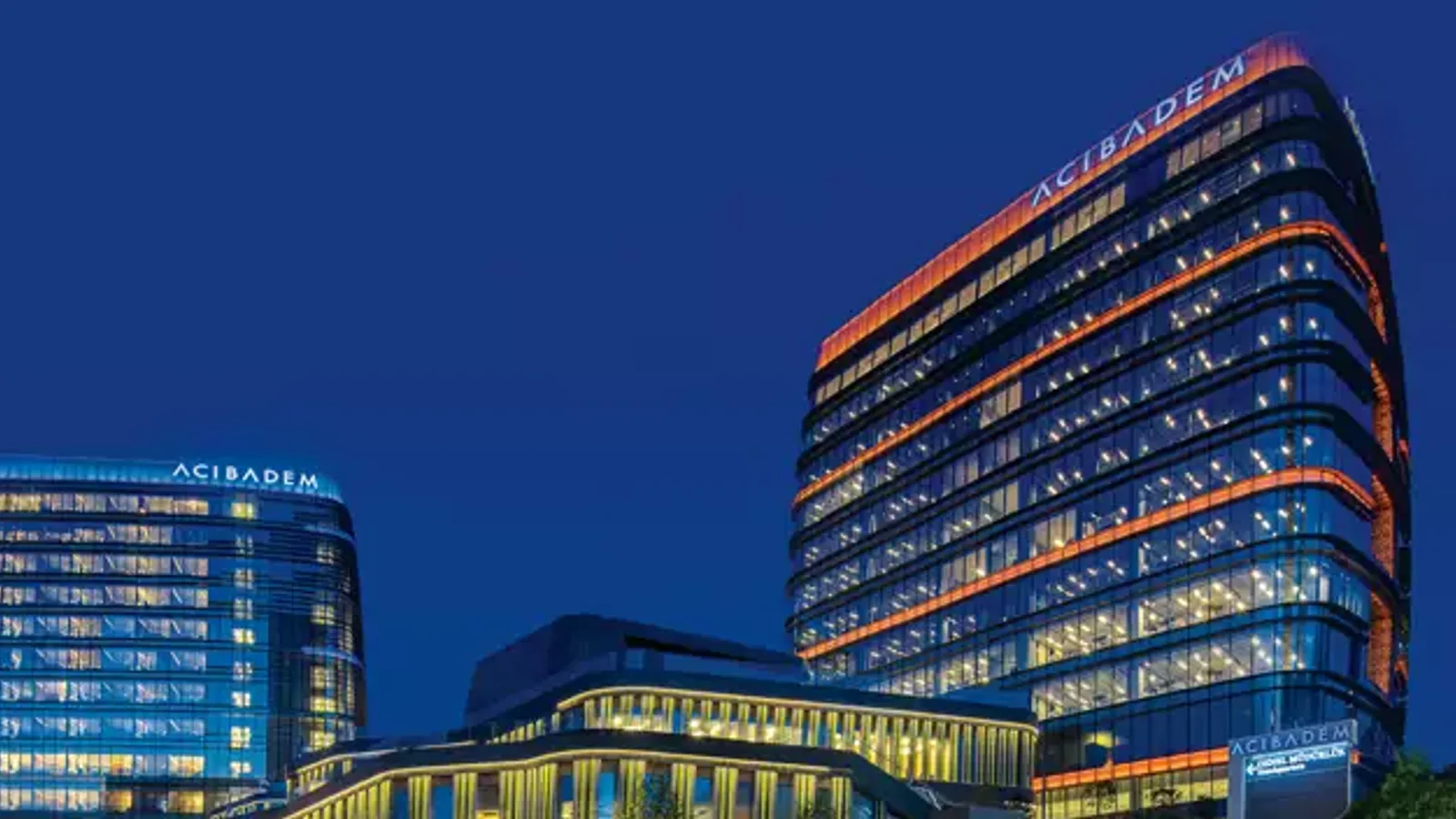
Acıbadem Ataşehir Hospital
istanbul
- Specialties
- 29
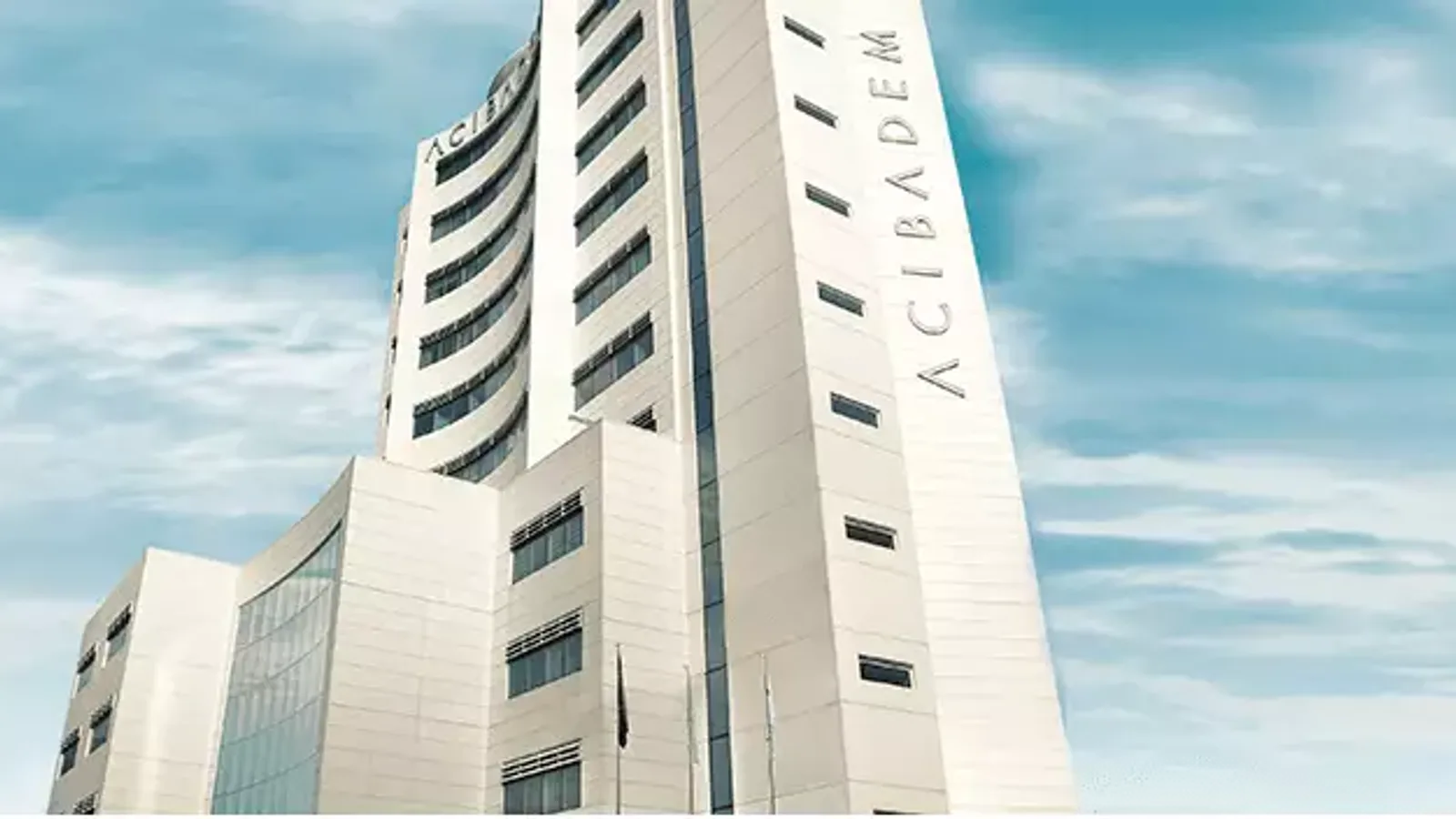
Acıbadem Fulya Hospital
istanbul
- Specialties
- 22

Acıbadem Maslak Hospital
istanbul
- Specialties
- 29

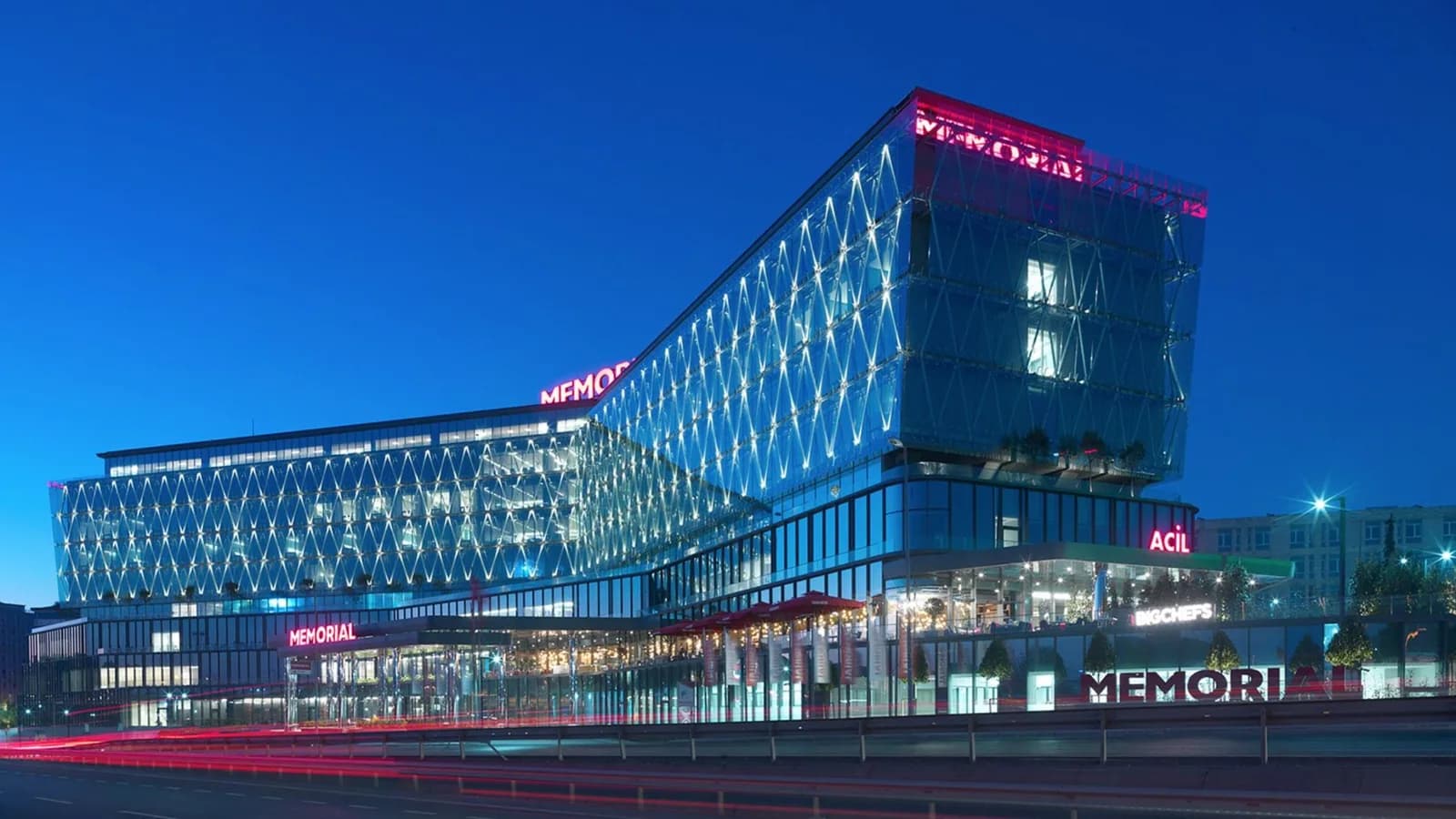
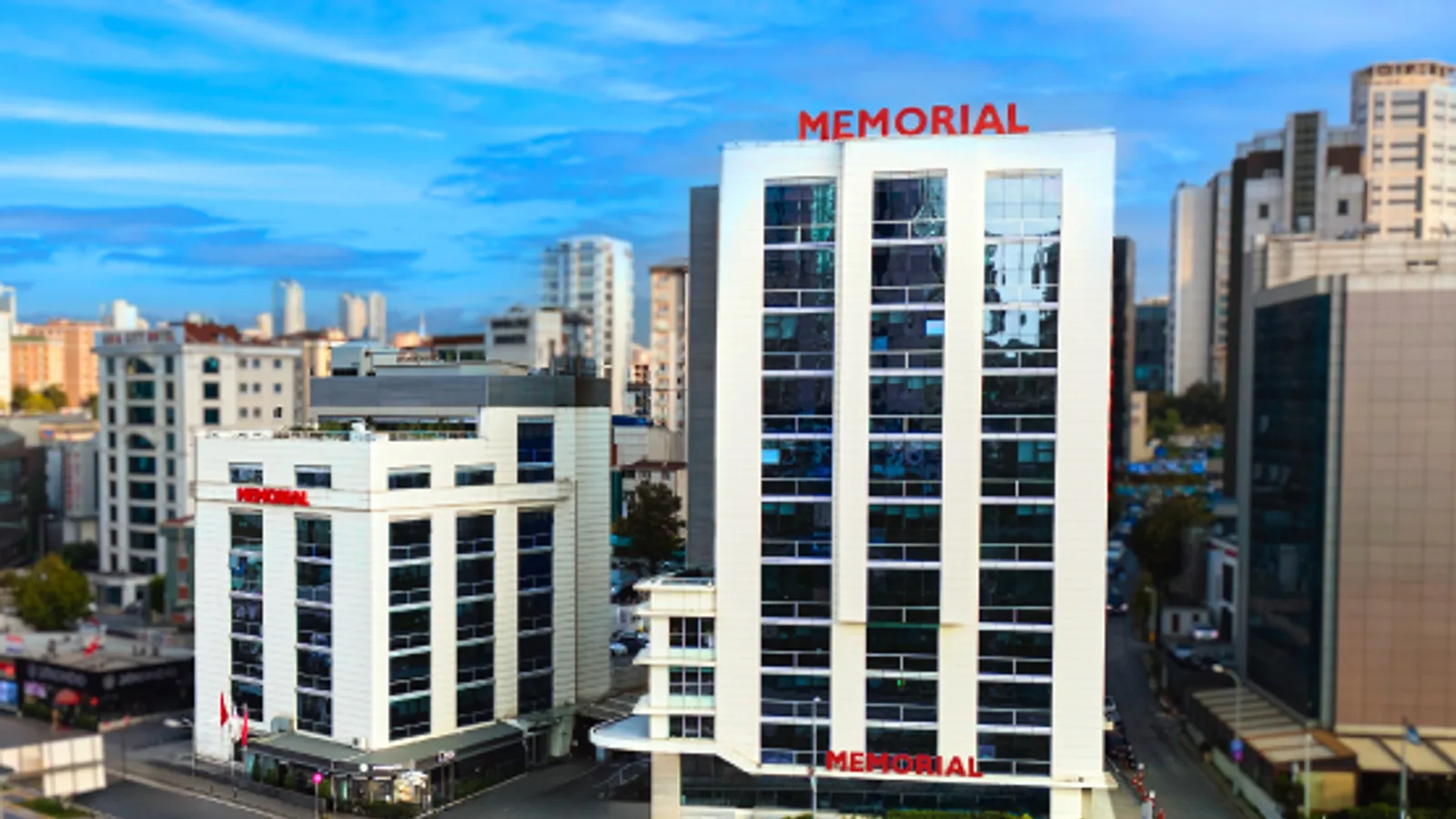
Memorial Bahçelievler Hospital
istanbul
- Specialties
- 31
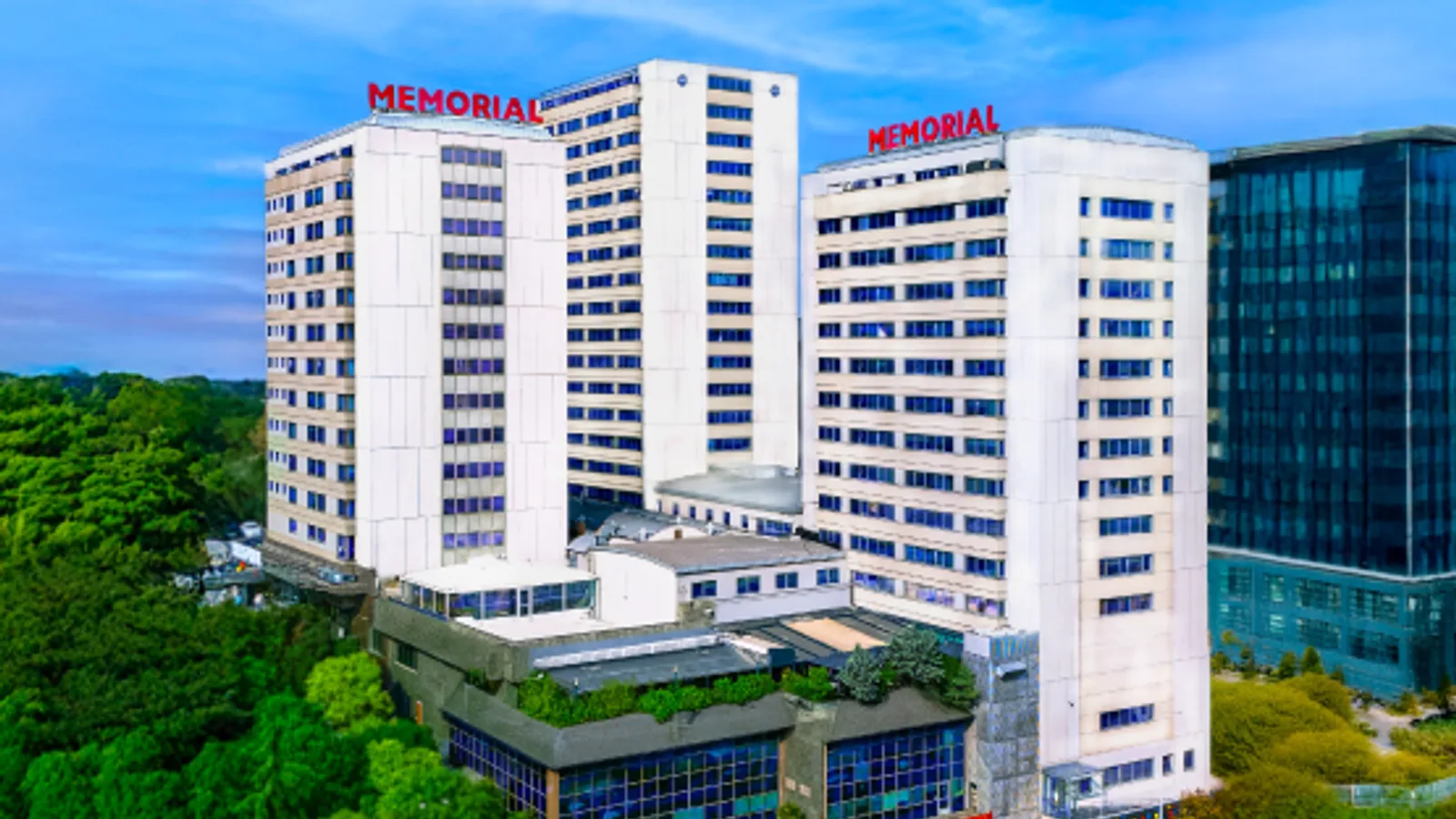
Memorial Şişli Hospital
istanbul
- Specialties
- 29
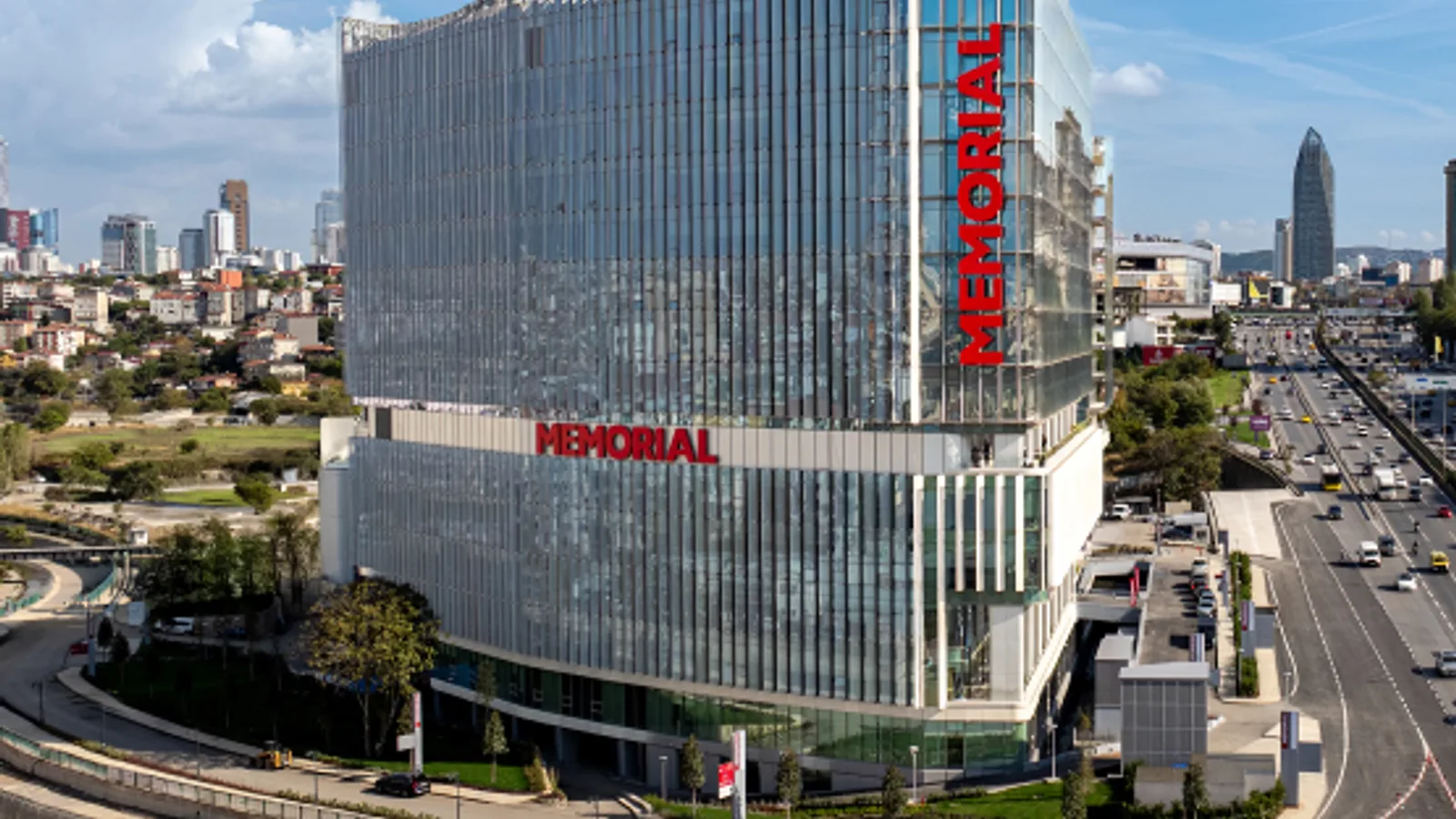
Memorial Göztepe Hospital
istanbul
- Specialties
- 24

Memorial Ataşehir Hospital
istanbul
- Specialties
- 28
Specialties
Not sure which hospital fits your case?
Upload your medical records and let AI match you to the right hospital.
Upload records and get matched