Facelift
Istanbul
Facelift in Istanbul is available at 12 hospitals in the Voumed network.
A facelift, known in medicine as rhytidectomy, lifts and repositions the sagging skin, muscle and deeper tissue of the face and neck to restore a younger, rested and more refreshed look. With age the skin loses firmness, the cheeks descend, folds deepen around the mouth and the jawline blurs as jowls form. A facelift gently lifts these layers back to where they once sat, removes the excess skin and re-drapes what remains, so the face looks naturally younger rather than pulled or operated on. Many people travel abroad for a facelift to reach experienced facial surgical teams, shorter waiting times and the chance to recover privately, away from their everyday surroundings.
On this page
At a glance
- Anaesthesia
- general anaesthesia, or sedation with local anaesthesia for smaller lifts
- Procedure time
- about 2 to 4 hours, depending on the technique
- Hospital stay
- day case or one overnight stay
- Recovery
- swelling and bruising settle over 2 to 3 weeks; most people return to light activity by 2 weeks
- Time before flying home
- usually 10 to 14 days, once stitches are out and healing is confirmed
- Results last
- typically 5 to 10 years, with the lift visible for many years to come
What it is
A facelift is surgery that addresses the visible signs of facial aging by tightening the deeper support layer of the face, not just the skin. The surgeon lifts and repositions the underlying muscle and connective tissue, often called the SMAS layer, then removes the excess skin and smooths what remains over the restored contours. Because the structural layer is doing the work, the result looks natural and lasts far longer than a simple skin tightening. Modern variants differ mainly in how much of this deeper layer is released. A SMAS facelift tightens that layer for a balanced lift of the cheeks and jawline. A deep-plane facelift releases and repositions the tissue more fully for a smooth, long-lasting result, especially in the midface and neck. A mini or short-scar lift uses smaller incisions for early or limited sagging, with a quicker recovery. The right approach is chosen for each face.
What it treats and the techniques used
A facelift targets the changes that make a face look tired or older than a person feels. It restores sagging skin and lax tissue around the cheeks and jawline, softens deep folds running from the nose to the mouth, lifts a heavy, drooping jowl and rebuilds a clean, defined jaw and neckline. It also restores lost volume in the cheeks and mid face by repositioning tissue, and where helpful redistributing the patient's own fat. A facelift does not treat fine surface lines, sun damage or skin colour, which are managed with other treatments, and it is often planned together with a neck lift, eyelid surgery or brow lift when the upper face also shows aging, so the whole face ages in harmony. The aim is always a rested, natural look rather than a tight or changed appearance.
Candidacy and preparation
A good candidate has noticeable sagging of the cheeks, jowls or neck, is in good general health, does not smoke or is willing to stop well before surgery, and holds realistic expectations about what a lift can achieve. Planning begins with a detailed consultation that reviews goals, skin quality, facial structure and overall health, and decides which technique suits the face. A full medical history is taken, including any medicines, supplements and previous operations, and routine checks such as blood tests confirm fitness for anaesthesia. Smoking strongly impairs healing and is stopped for several weeks before and after surgery, and blood-thinning medicines, aspirin and certain herbal supplements are paused in advance on medical advice; alcohol is also reduced. For international patients much of this can begin remotely, with photographs and a health questionnaire reviewed before travel and the final assessment completed in person on arrival.
How it is done
A facelift is usually performed under general anaesthesia, though a smaller lift can be done with sedation and local anaesthesia, so the patient is comfortable throughout. The surgeon makes discreet incisions that follow the natural lines of the face, typically along the hairline at the temple, continuing around the ear and into the lower scalp, and sometimes a small incision under the chin to refine the neck; for a mini lift these incisions are shorter. The skin is then carefully lifted, and the deeper muscle and connective tissue are tightened and repositioned. Excess skin is removed, fat may be sculpted or redistributed across the cheeks, jowls and neck to restore volume, and the remaining skin is re-draped smoothly over the new contours. The incisions are closed with fine sutures or skin adhesive, settled within the hairline and the natural creases of the face and ear so they stay well hidden. The operation usually takes about 2 to 4 hours, depending on the technique and whether other procedures are combined.
Recovery and planning your treatment abroad
Most patients go home the same day or after one night, with a light dressing and sometimes a soft support garment around the face. Swelling and bruising around the cheeks, jaw and neck are most noticeable in the first few days and then fade steadily; keeping the head elevated, even during sleep, and using cold compresses in the early days helps them settle. Skin sutures are usually removed around 7 to 10 days, and the bruising largely resolves over 2 to 3 weeks, by which point most people feel ready to be seen socially. Strenuous activity, heavy lifting and vigorous exercise are avoided for several weeks. Planning a trip abroad, it is sensible to stay in the destination city for about 10 to 14 days so the stitches can be removed and early healing checked before flying. Air travel is generally comfortable once the surgeon confirms healing is on track at that visit. Afterwards, follow-up continues remotely by message, photo or video, and international patient teams commonly provide interpreters and coordinators so that language is never a barrier.
Results and longevity
A facelift gives a clear, natural lift that becomes more apparent as the swelling fades over the following weeks, with the final refined result emerging over a few months as the tissues settle into their new position. By tightening the deeper structural layer rather than only the skin, a modern facelift produces a result that lasts: most people enjoy a visibly younger appearance for around 5 to 10 years, and many for longer. A facelift does not stop the natural aging process, so the face continues to age gently from its new, younger starting point, but it does not simply return to where it began. Looking after the skin with sun protection and a healthy lifestyle, and not smoking, helps the result last as long as possible.
Frequently asked questions
These answers are general guidance and may vary by provider. Confirm the details with the hospital you choose.
Will I have visible scars after a facelift?
Scars are an unavoidable part of any surgery, but a facelift is designed to hide them. The incisions follow the hairline, the natural folds around the ear and sometimes under the chin, where they are least noticeable, and they typically fade and become difficult to see once healed. Following the aftercare instructions helps the scars settle as discreetly as possible.
Is a facelift painful?
It is usually less painful than people expect. You feel nothing during surgery, and afterwards there is more of a tight, swollen and slightly numb sensation than sharp pain; any discomfort is well controlled with the prescribed pain relief and eases over the first week.
How long do the results of a facelift last?
Because a modern facelift tightens the deeper support layer of the face, the results are long lasting, typically around 5 to 10 years and often more. The lift does not stop aging, but it sets the clock back, and the face then ages gradually from that younger starting point.
When will I look presentable again?
Most of the visible bruising and swelling settles over about 2 to 3 weeks, and many people feel comfortable being seen socially by then, with light makeup helping in the meantime. Subtle swelling continues to fade over the following weeks, and the result keeps refining over the months that follow.
How many days should I plan to stay abroad?
Most people plan to stay in the destination city for about 10 to 14 days. This allows time for the operation, a short rest, removal of the stitches and a final check that healing is on track before you fly home.
When can I fly home after surgery?
Most patients fly home once the stitches are removed and the surgeon confirms healing is progressing well, usually around 10 to 14 days after surgery. Waiting for that check before a long flight is safer, and follow-up then continues remotely from home.
Not sure which hospital fits your case?
Upload your medical records and let AI match you to the right hospital.
Upload records and get matchedAvailable at these hospitals
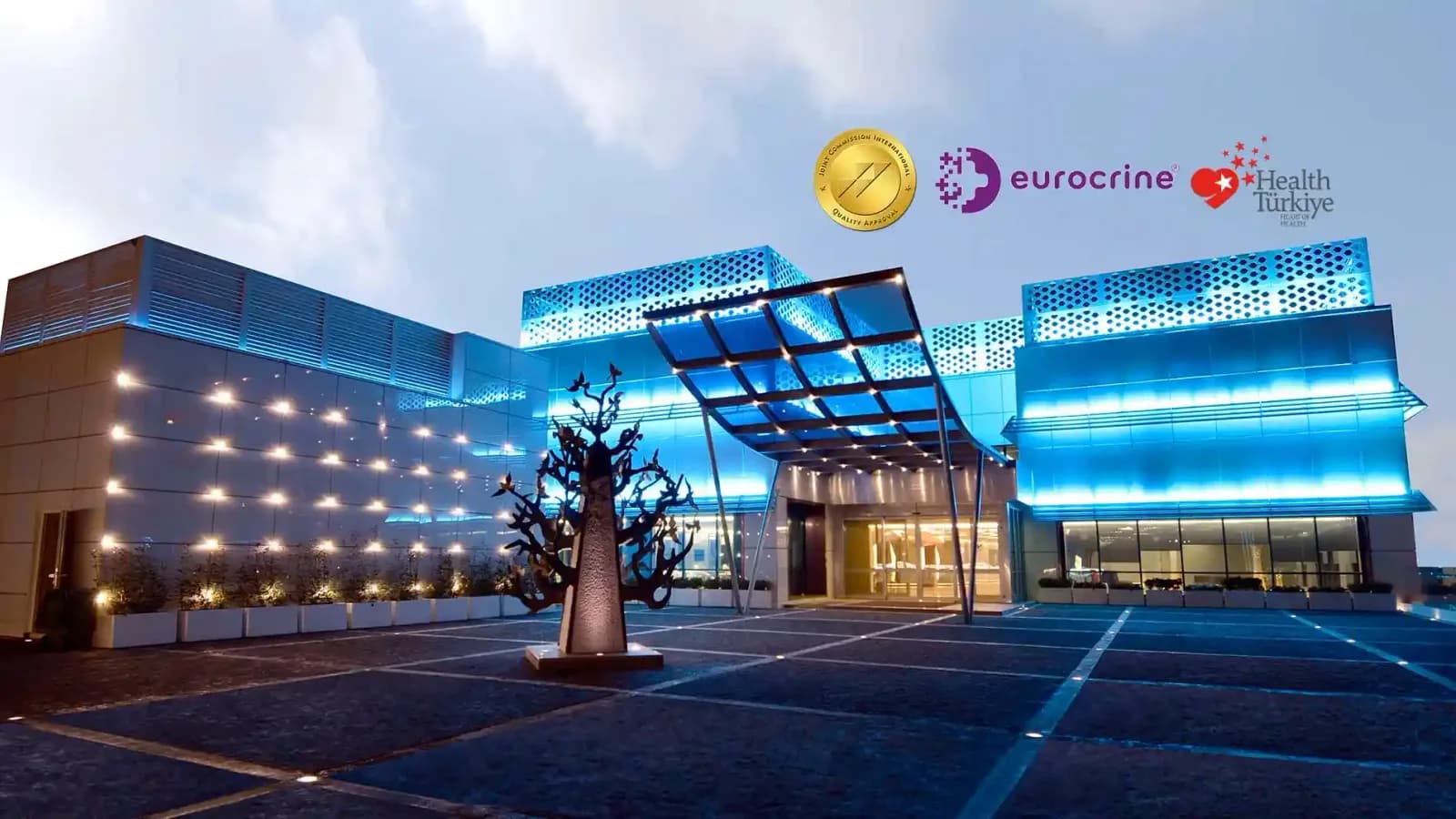
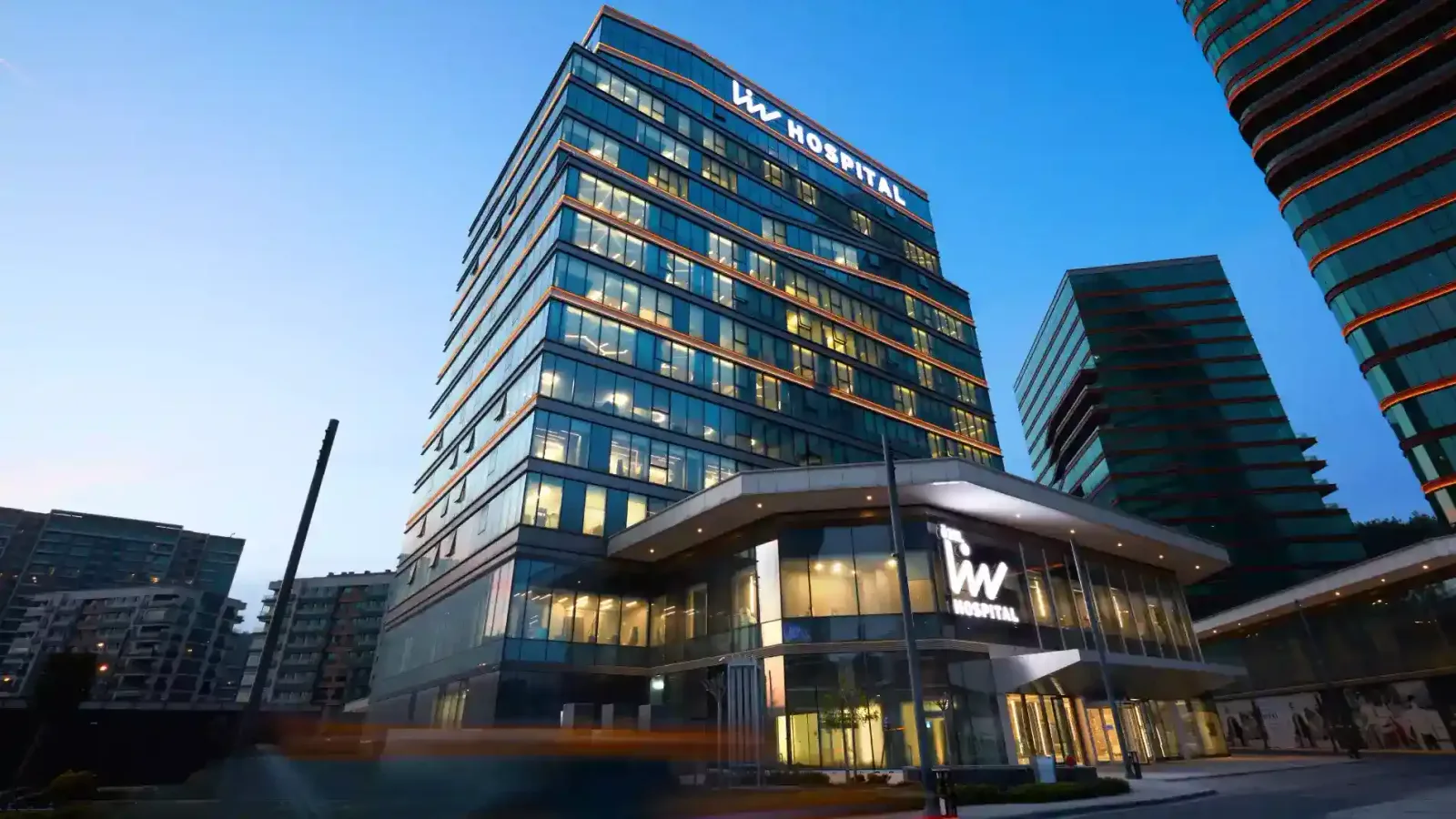
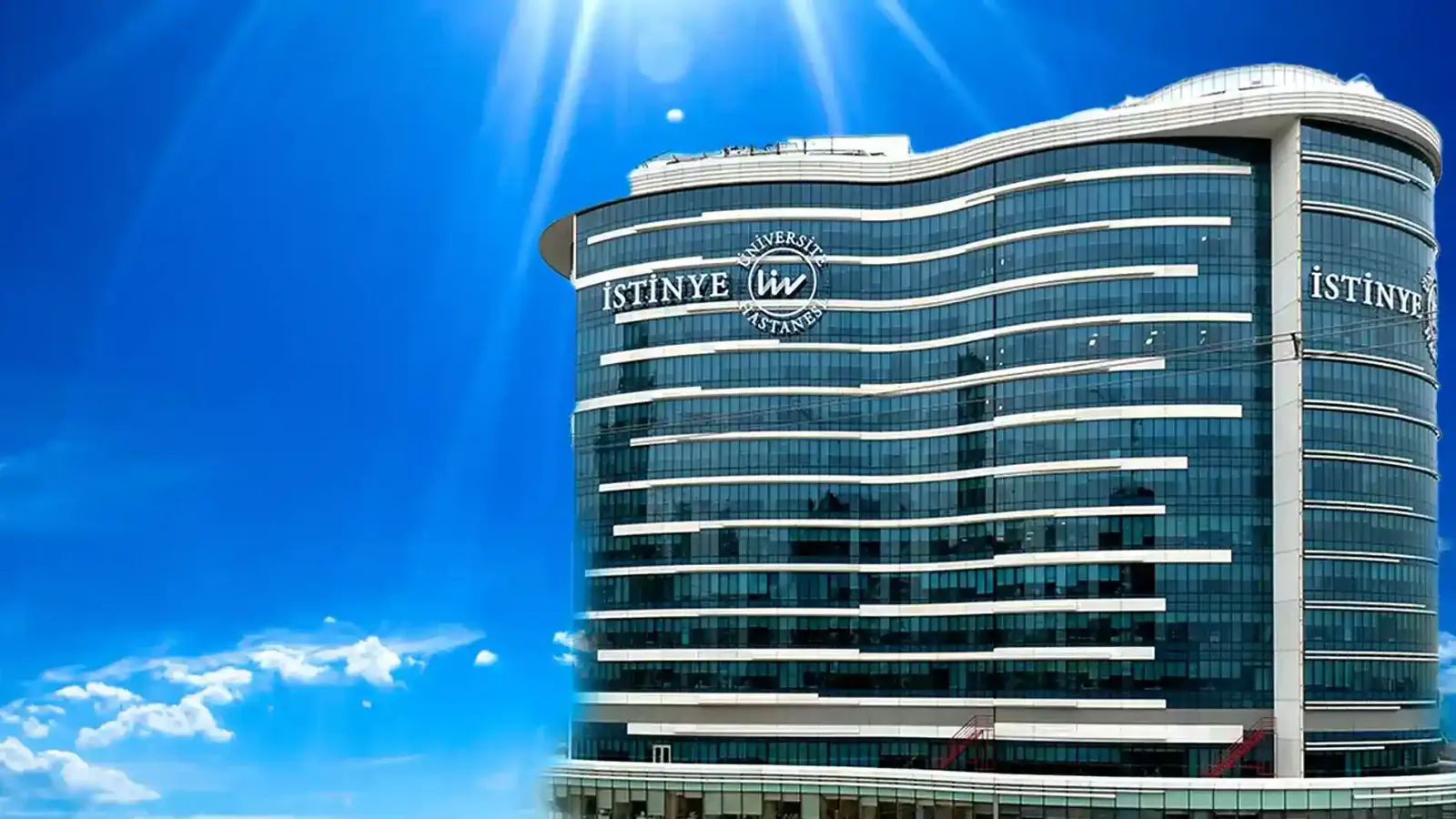
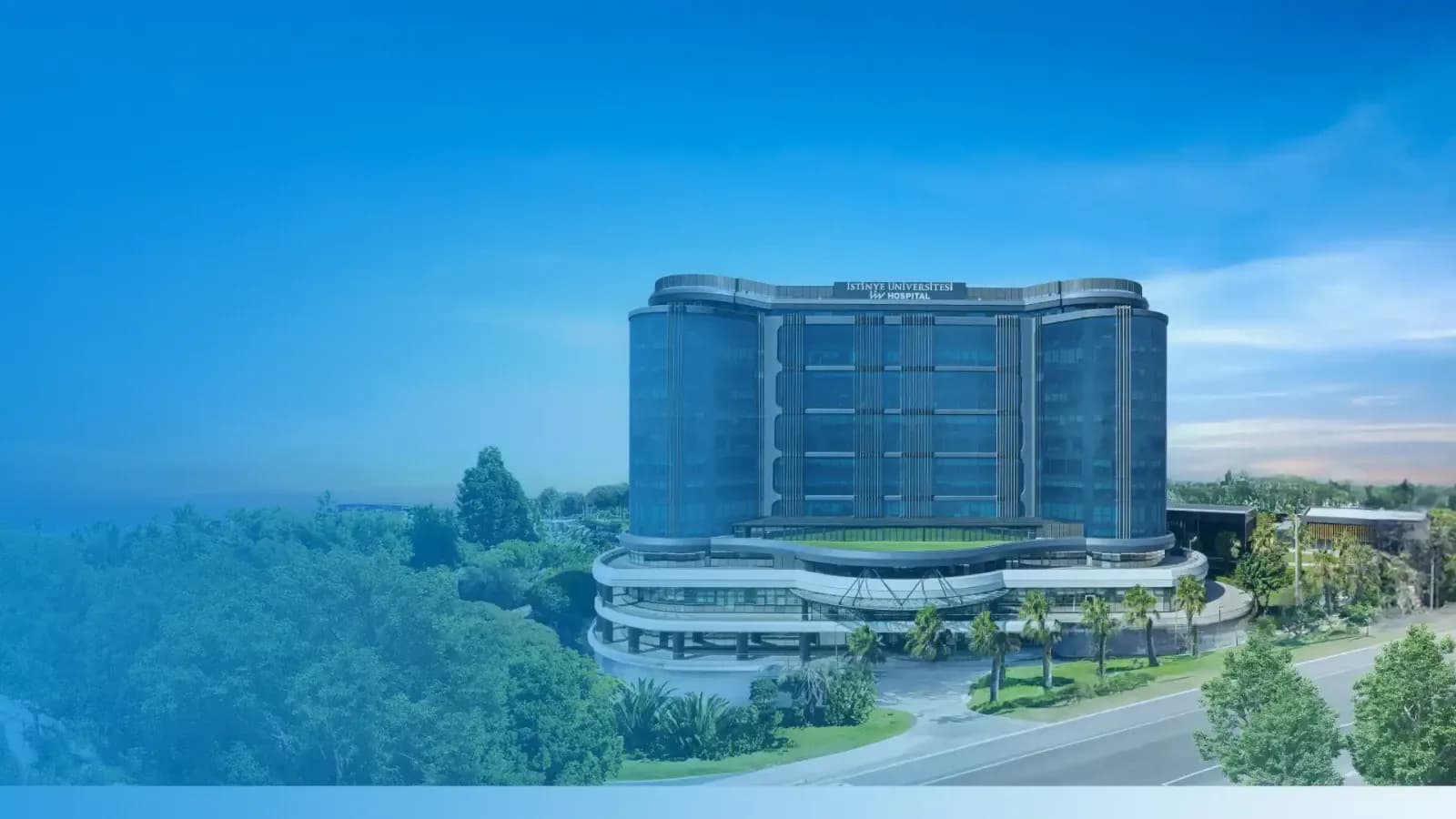
Liv Hospital Vadistanbul
istanbul
- Specialties
- 24
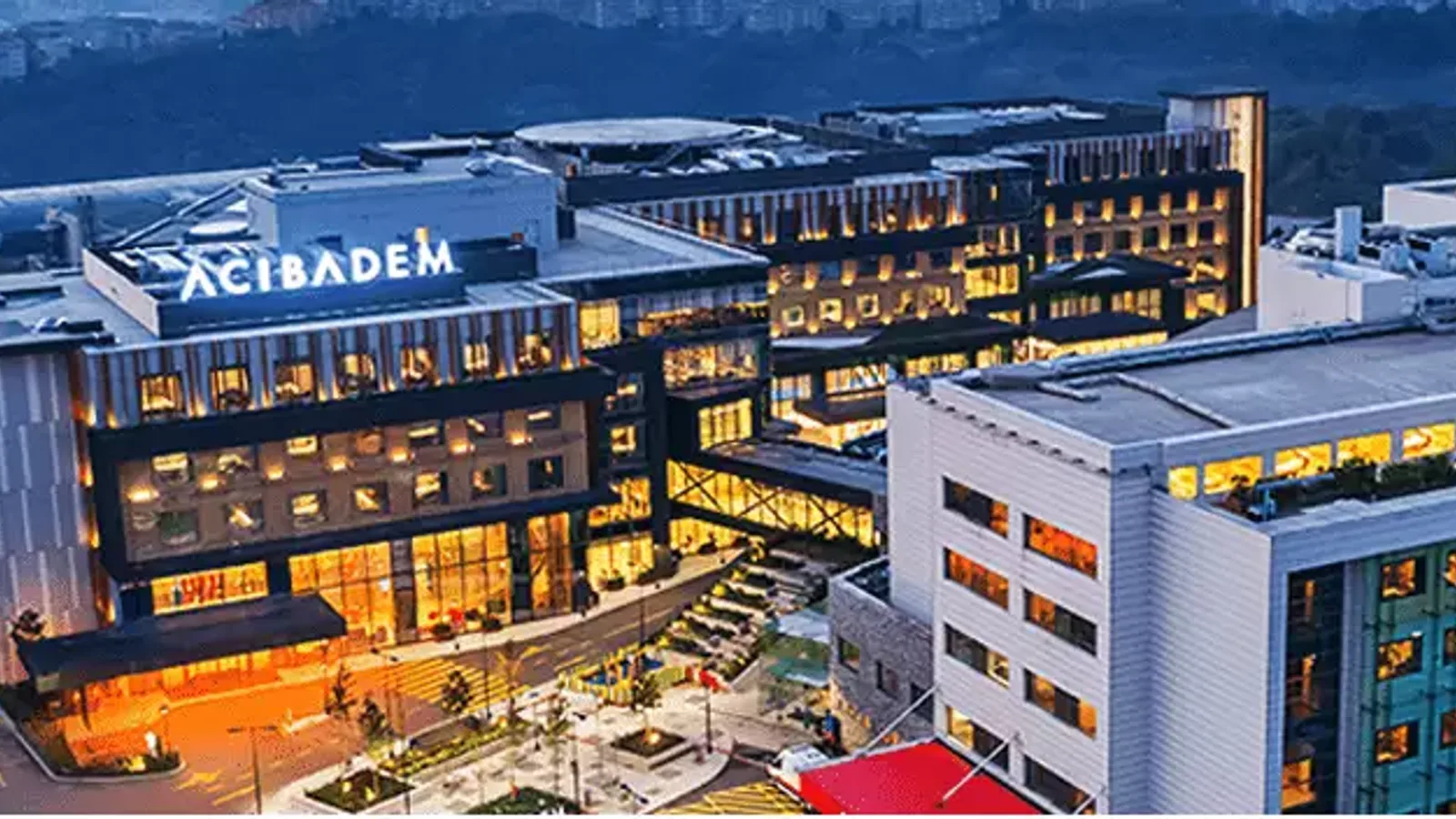
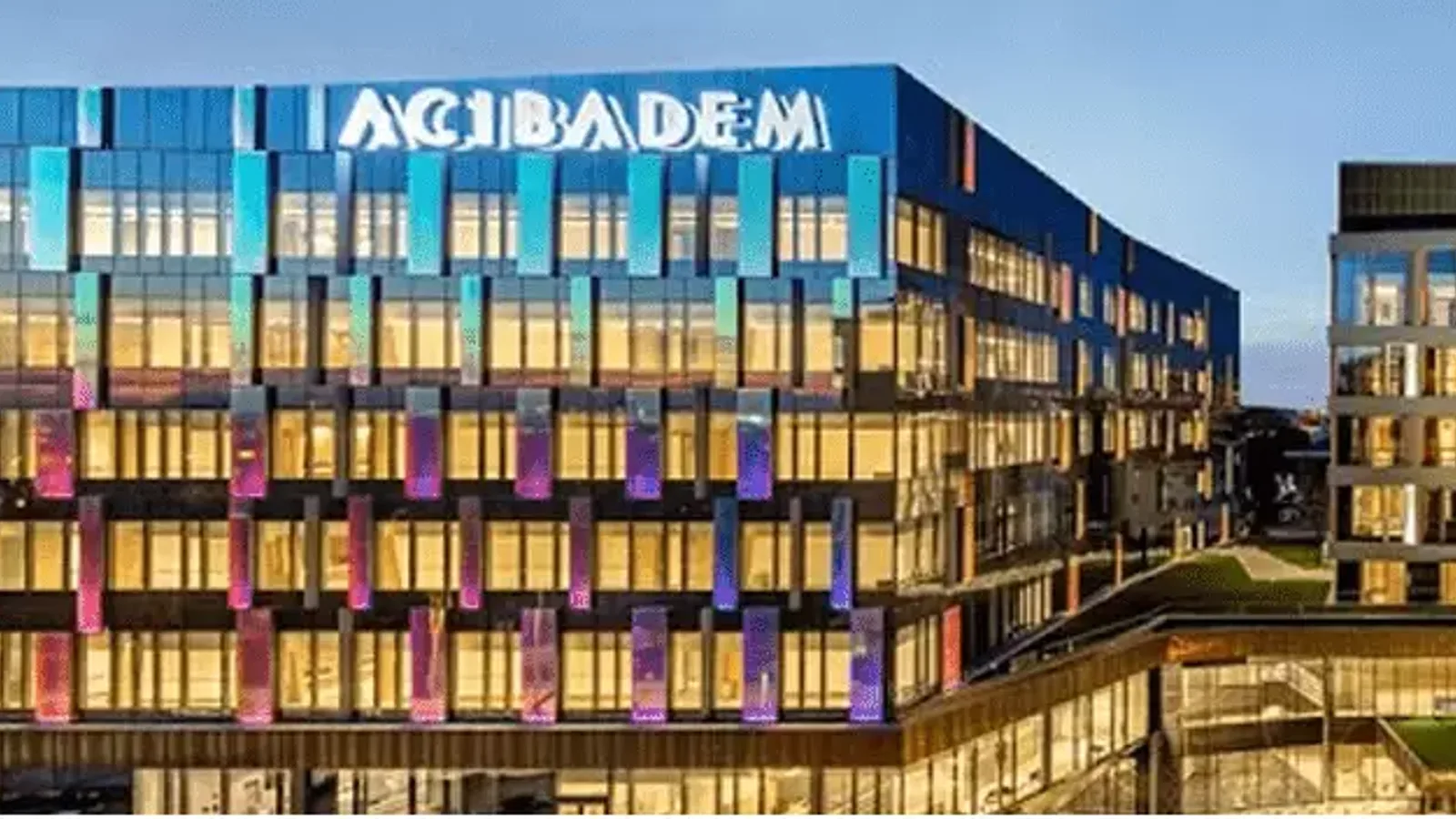
Acıbadem Altunizade Hospital
istanbul
- Specialties
- 28

Liv Hospital Topkapı
istanbul
- Specialties
- 18

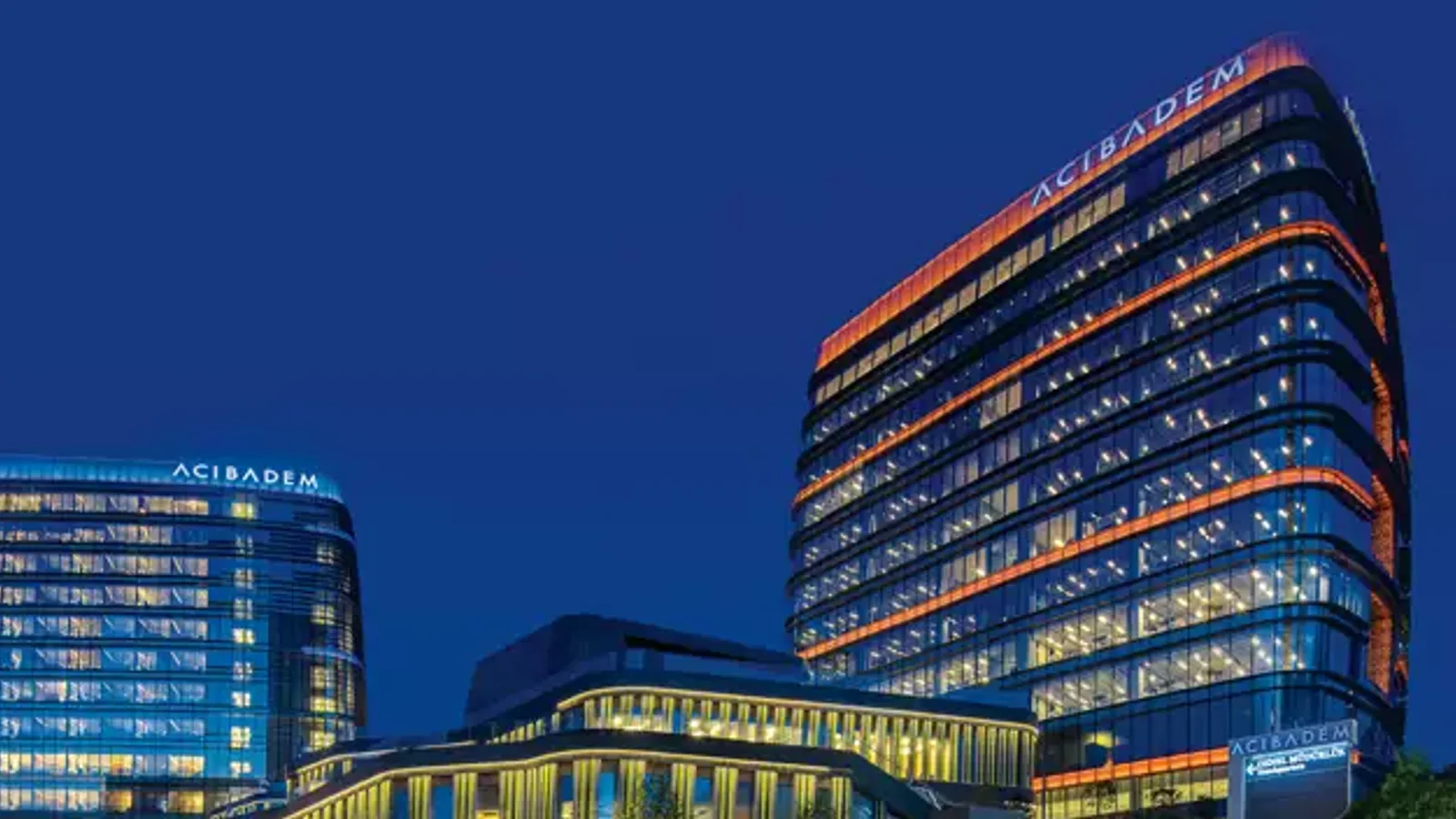
Acıbadem Ataşehir Hospital
istanbul
- Specialties
- 29

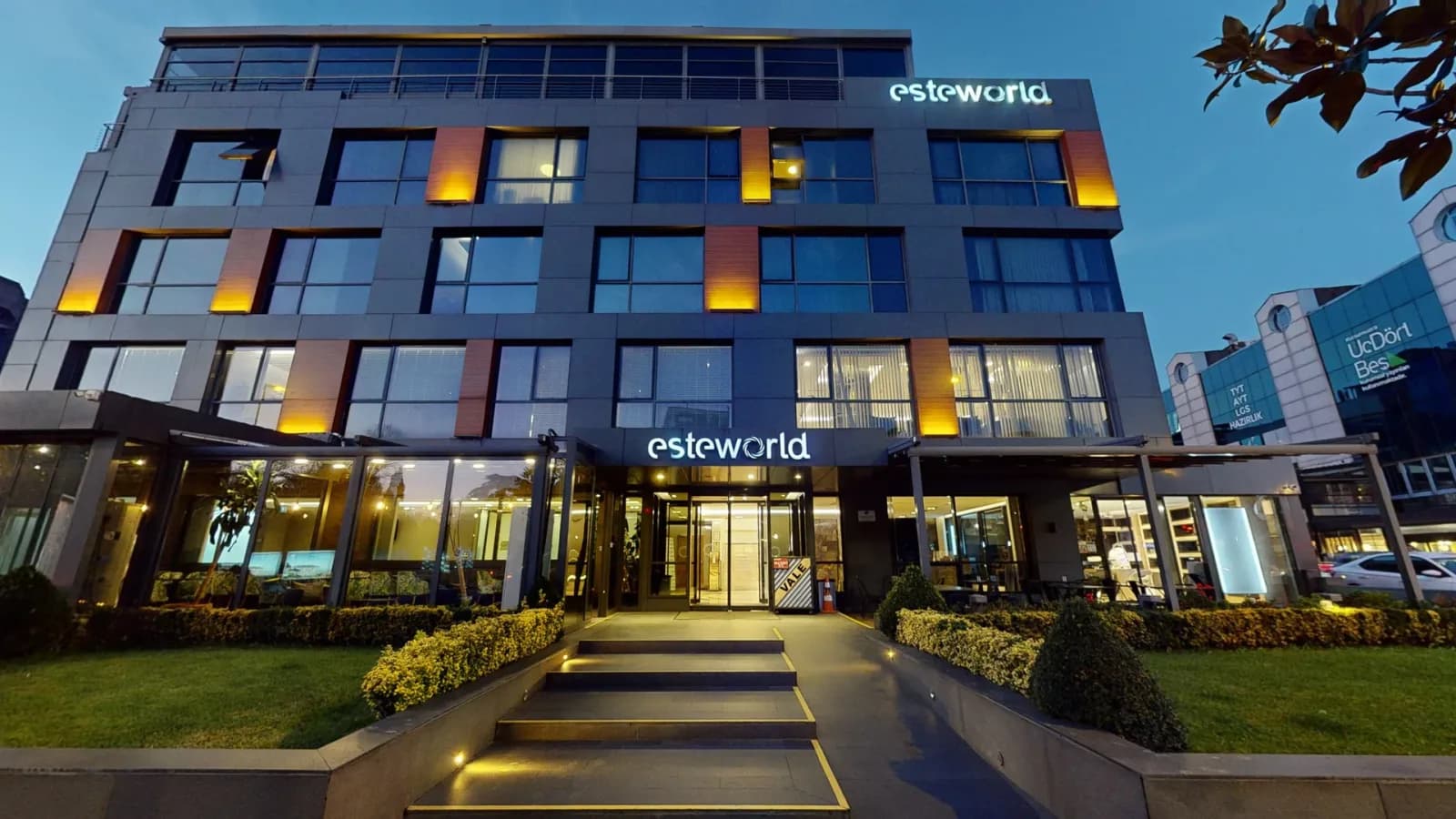
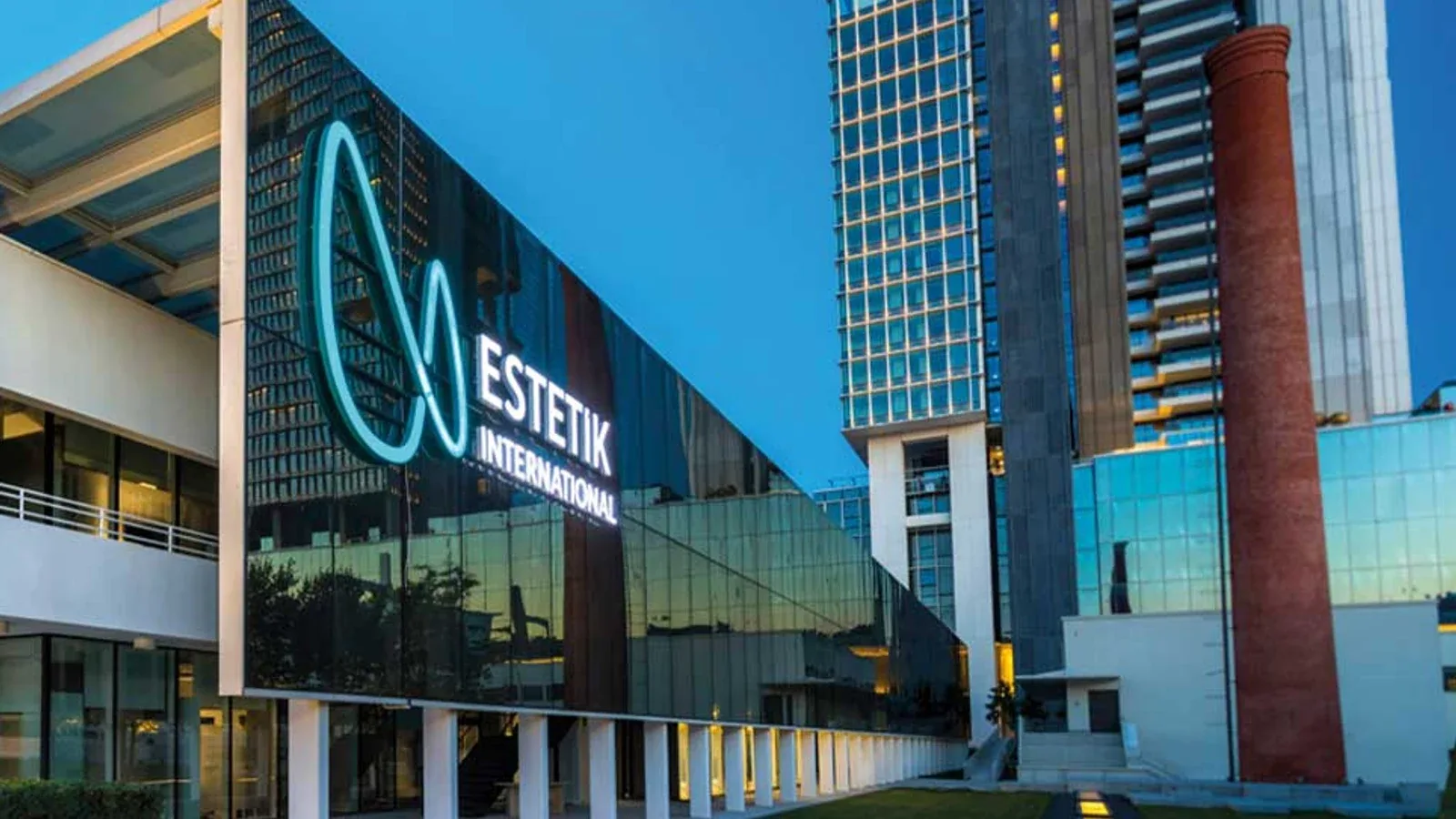
Estetik International Mecidiyeköy
istanbul
- Specialties
- 3

Liv Hospital Bahçeşehir
istanbul
- Specialties
- 24

Liv Hospital Ulus
istanbul
- Specialties
- 24

Acıbadem Maslak Hospital
istanbul
- Specialties
- 29
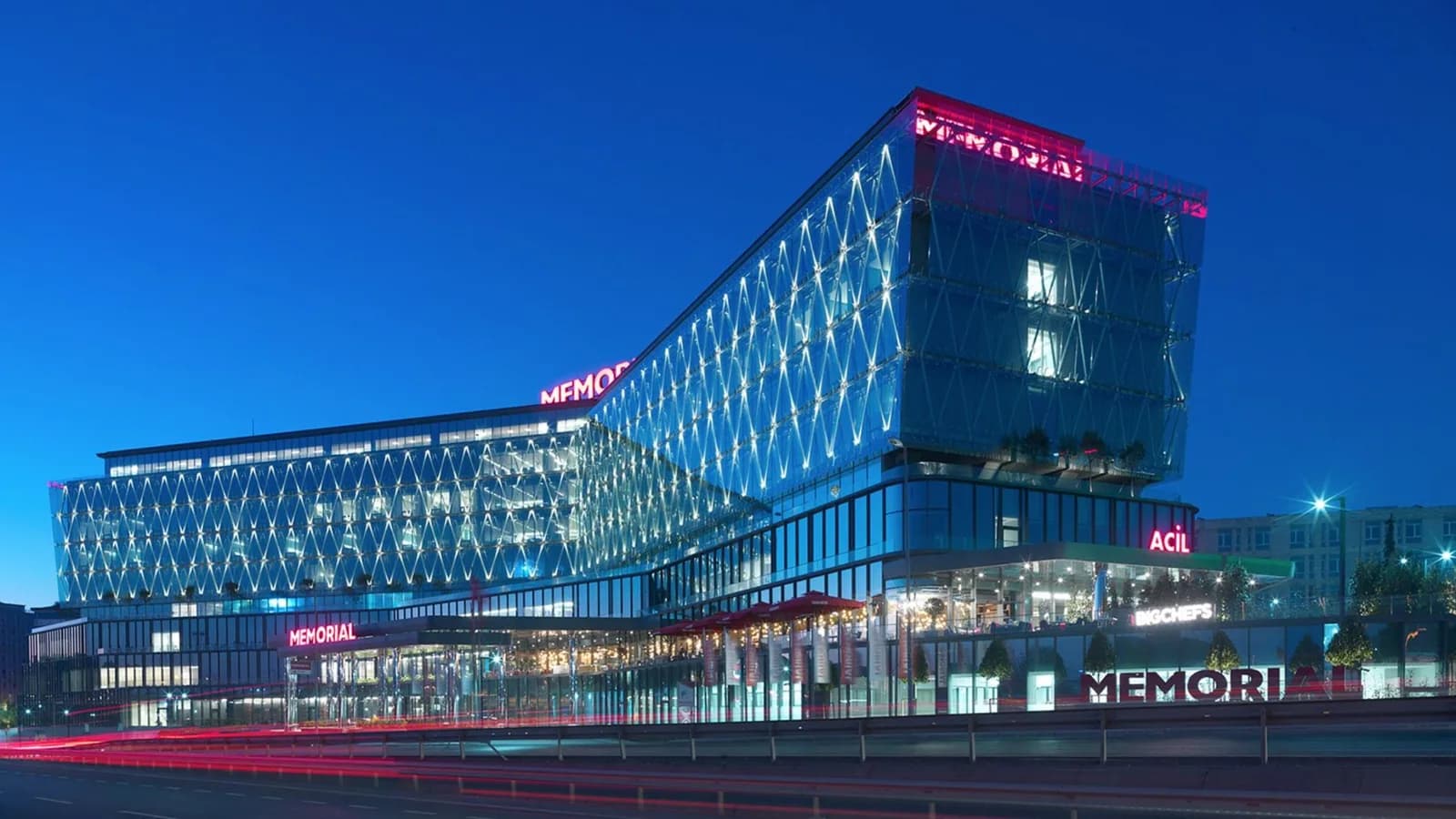
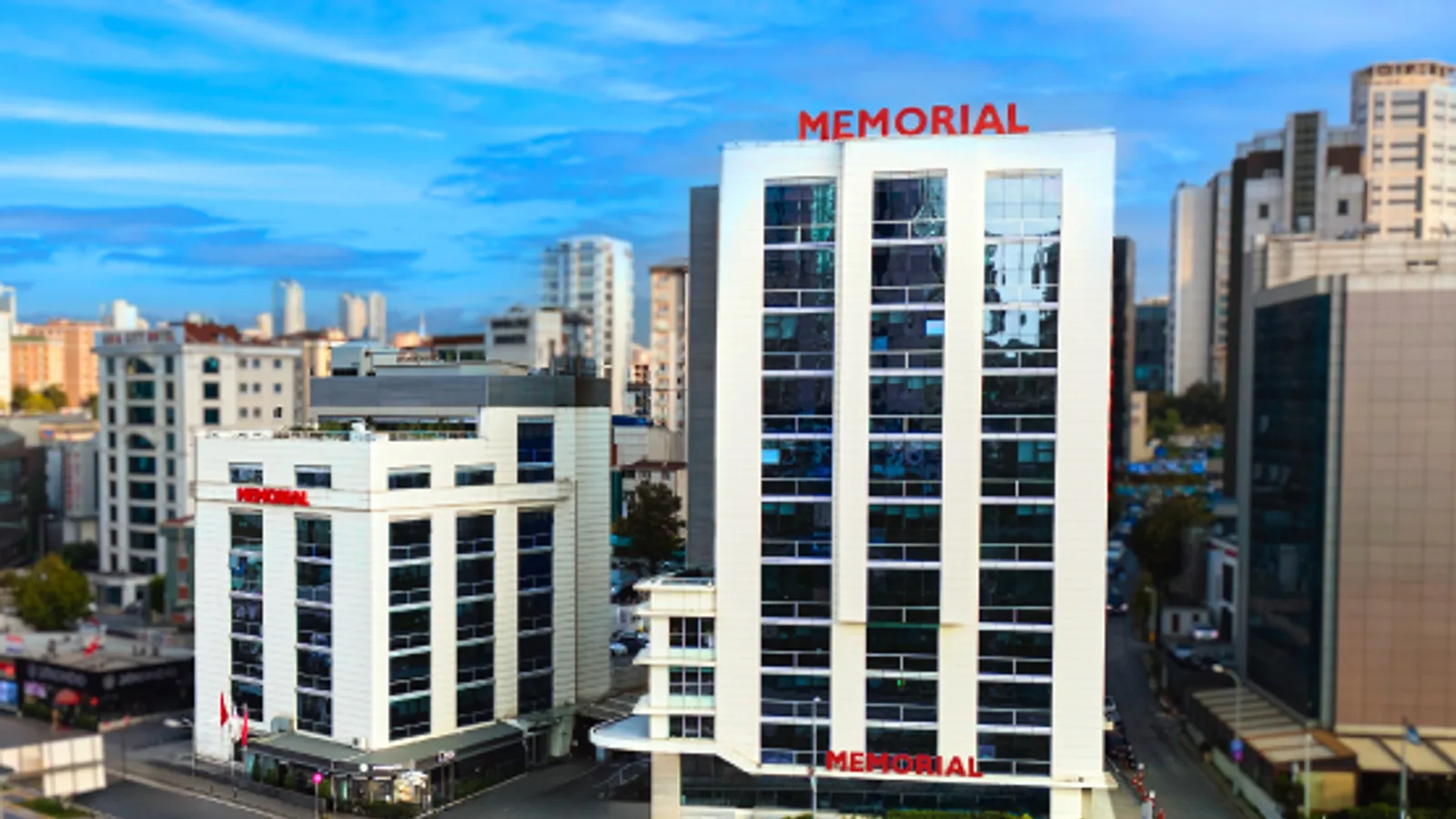
Memorial Bahçelievler Hospital
istanbul
- Specialties
- 31
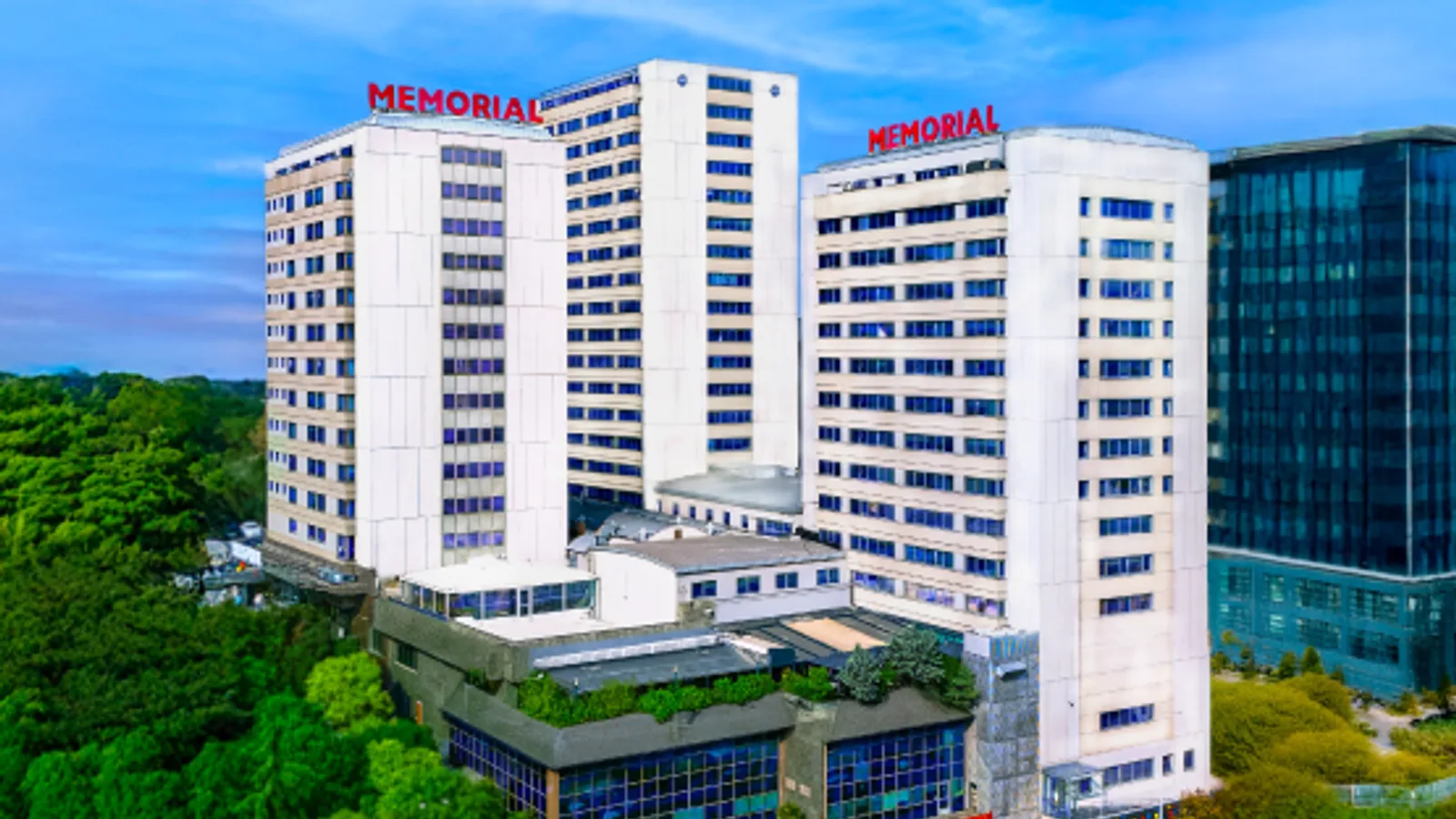
Memorial Şişli Hospital
istanbul
- Specialties
- 29
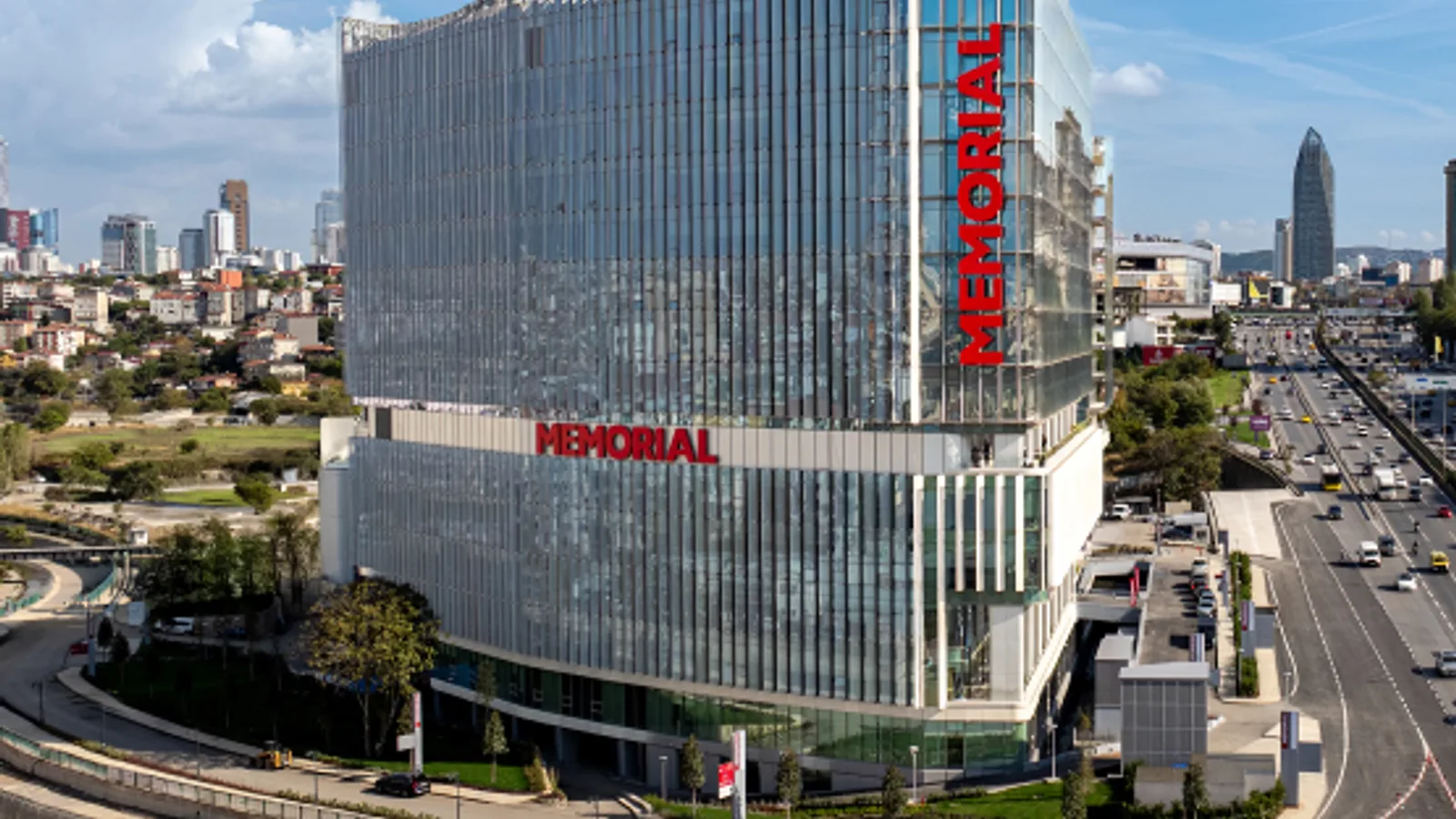
Memorial Göztepe Hospital
istanbul
- Specialties
- 24

Memorial Ataşehir Hospital
istanbul
- Specialties
- 28
Specialties
Not sure which hospital fits your case?
Upload your medical records and let AI match you to the right hospital.
Upload records and get matched