Gynecomastia Surgery (Male Breast Reduction)
Istanbul
Gynecomastia Surgery (Male Breast Reduction) in Istanbul is available at 12 hospitals in the Voumed network.
Gynecomastia surgery, also known as male breast reduction, removes the excess glandular tissue and fat that make the male chest look enlarged or full, restoring a flatter, firmer and more masculine contour. Enlarged male breasts are common and usually harmless, but for many men the appearance is a lasting source of self-consciousness that does not respond to diet or exercise. When the cause is true breast gland tissue rather than fat alone, surgery is the most reliable and permanent solution. Many men travel abroad for this procedure to reach experienced body-contouring teams, shorter waiting times and the privacy of recovering away from their everyday surroundings.
On this page
At a glance
- Anaesthesia
- general anaesthesia, or sedation with local anaesthesia for smaller corrections
- Hospital stay
- usually a day case or one overnight stay
- Procedure time
- about 1 to 2 hours
- Recovery
- light activity within a week; a compression vest is worn for several weeks
- Time before flying home
- usually about 5 to 7 days, once the surgeon confirms early healing
- Results visible
- an immediate change, with the final flat contour settling over a few months
What it is
Gynecomastia is the enlargement of the male chest caused by extra glandular tissue, extra fat, or a combination of both. Surgery corrects it by removing that excess and reshaping the chest into a natural, masculine line. Where the problem is mostly soft fatty tissue, liposuction alone may be enough; where there is firm rubbery gland tissue behind the nipple, that gland is removed directly through a small incision. The nipple and areola are reshaped to sit in proportion with the new chest contour. The goal is a chest that looks naturally flat and toned, not operated on, with scars placed so they are easy to hide.
Glandular versus fatty enlargement and grades
Understanding what is causing the fullness guides the operation. True gynecomastia is firm glandular tissue concentrated under and around the nipple, which feels rubbery and has a defined edge. Pseudogynecomastia is soft fatty tissue spread more evenly across the chest, often linked to overall weight, with no distinct gland. Many men have a mix of both. Surgeons also grade the enlargement by how much tissue is present and how much loose skin there is: milder cases need only tissue removal, while more advanced cases with significant skin excess may need a small amount of skin tightening as well. The surgeon assesses this by examination, so the plan is matched to the individual chest.
Candidacy and preparation
A good candidate is a man whose chest enlargement has been stable for some time, who is in general good health, who is at or near a steady weight, and who has realistic expectations. Because adolescent gynecomastia often settles on its own, surgery is usually planned once the chest has stopped changing. The surgeon will want to know about any medicines, supplements, anabolic steroids or recreational substances, since some of these can drive breast-tissue growth, and may arrange blood tests to check hormone levels and rule out other causes before operating. Smoking and blood-thinning medicines slow healing and are paused in advance on medical advice. For international patients, much of this assessment can begin remotely with photographs and a health questionnaire, with the final examination completed in person on arrival.
How it is done
The operation is tailored to what is found in the chest. When fat predominates, the surgeon uses liposuction: fine cannulas are passed through tiny incisions to remove the excess fat and refine the contour, leaving only pinpoint marks. When firm gland tissue is present, it is excised directly, usually through a small incision placed along the lower edge of the areola where the scar blends into the natural border and becomes hard to see. Many men need both techniques together, with liposuction to even out the fat and gland excision to remove the firm core. If a large amount of skin is left loose, a little skin is tightened as well. The work is done under general anaesthesia, or under sedation with local anaesthesia for smaller corrections, and usually takes about 1 to 2 hours. A compression vest is fitted at the end to support the new shape.
Recovery and planning your treatment abroad
Most men go home the same day or after one night and feel sore and swollen for the first few days, which is well controlled with simple painkillers. The compression vest is worn day and night for the first weeks and then part-time, because it limits swelling and helps the skin settle smoothly onto the new chest shape. Desk work and gentle walking are usually comfortable within a week, while the gym, heavy lifting and chest exercise are held back for about four to six weeks so the tissues can heal fully. Planning a trip abroad, it is sensible to stay in the destination city for about five to seven days so the surgeon can check the incisions and confirm that early healing is on track before you fly. Afterwards, follow-up continues remotely by message, photo or video, and international patient teams commonly provide interpreters and coordinators so language is never a barrier.
Results and longevity
Once the gland and excess fat are removed, that tissue does not grow back, so the result is considered permanent and most men see a flatter chest immediately. Swelling hides the final contour at first, so the chest keeps refining over the following weeks and the truly settled, toned shape emerges over a few months as swelling fully resolves and any scars fade. Because the removed gland is gone for good, gynecomastia does not normally return. The main thing that can change the result is a significant gain in weight, or starting medicines, steroids or substances that stimulate breast tissue, so keeping a stable weight and avoiding those triggers protects the outcome for the long term.
Frequently asked questions
These answers are general guidance and may vary by provider. Confirm the details with the hospital you choose.
Will the gynecomastia come back after surgery?
Once the breast gland is removed it does not grow back, so true gynecomastia does not normally return. The result is considered permanent. The chest can still change if you gain a lot of weight or take medicines, steroids or substances that stimulate breast tissue, so keeping a steady weight and avoiding those triggers protects the result.
Will I have visible scars?
Scars are kept small and well hidden. When the chest is treated by liposuction the marks are only pinpoint size. When firm gland tissue is removed, the incision is usually placed along the lower edge of the areola, where the scar blends into the natural colour border and fades over time until it is hard to see.
Is the surgery done under general anaesthesia?
Most gynecomastia surgery is done under general anaesthesia, so you are asleep and feel nothing. Smaller corrections, especially those treated mainly by liposuction, can sometimes be done under sedation with local anaesthesia. Your surgeon recommends the safest option for your case.
How many days should I plan to stay abroad?
Most men plan to stay in the destination city for about five to seven days. This allows time for the operation, a short rest, a check of the incisions and confirmation that early healing is progressing well before you fly home.
When can I go back to exercise and the gym?
Gentle walking is fine within days, and most men return to desk work within about a week. Chest exercise, heavy lifting and intense training are usually held back for about four to six weeks so the healing tissues are not strained, and your surgeon confirms when it is safe to resume.
Do I really need to wear the compression vest?
Yes. The compression vest is one of the most important parts of recovery. It limits swelling, supports the chest as it heals and helps the skin settle smoothly onto the new contour. It is worn day and night for the first weeks, then part-time, exactly as your surgeon advises.
Not sure which hospital fits your case?
Upload your medical records and let AI match you to the right hospital.
Upload records and get matchedAvailable at these hospitals

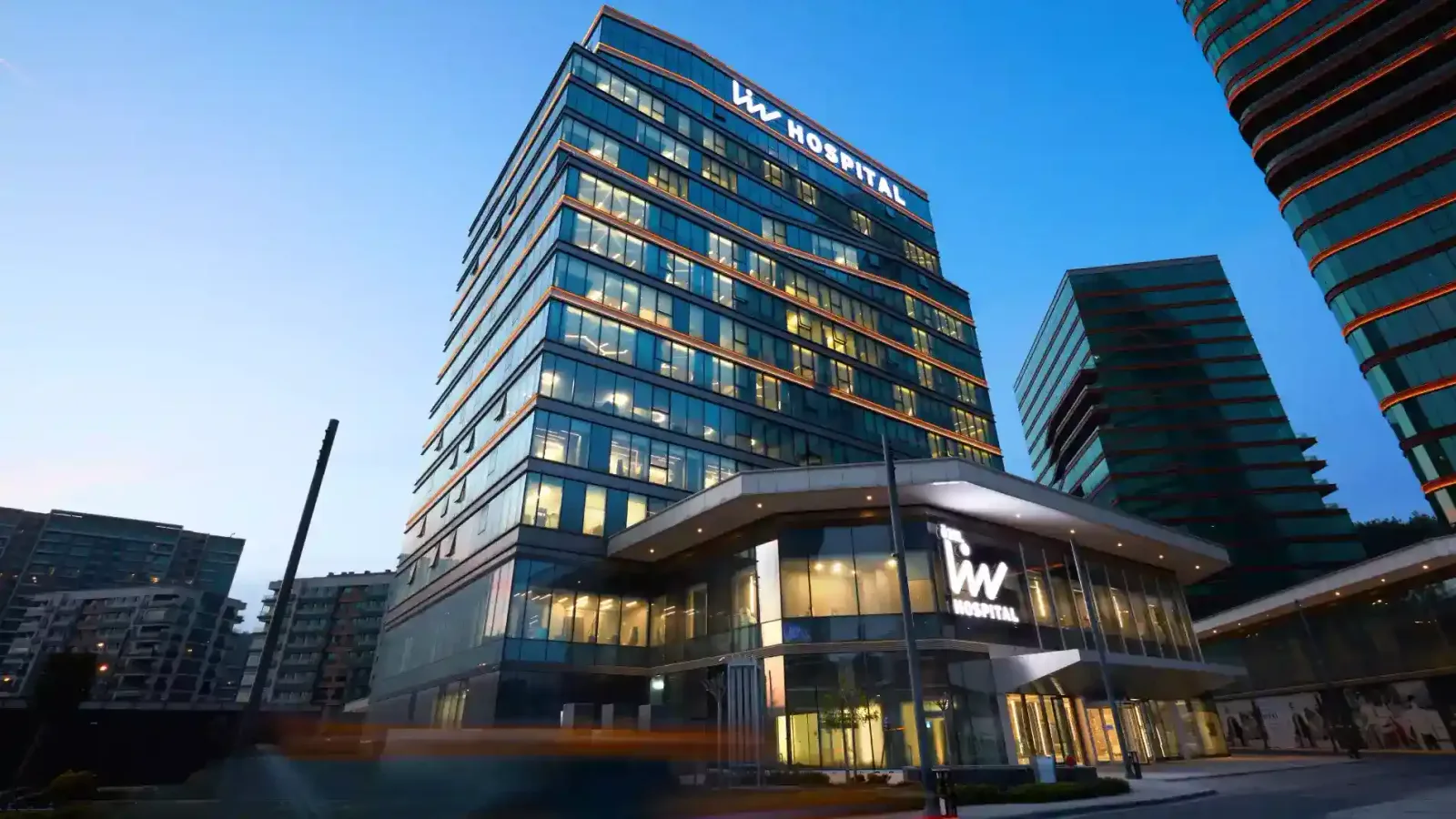
Liv Hospital Vadistanbul
istanbul
- Specialties
- 24
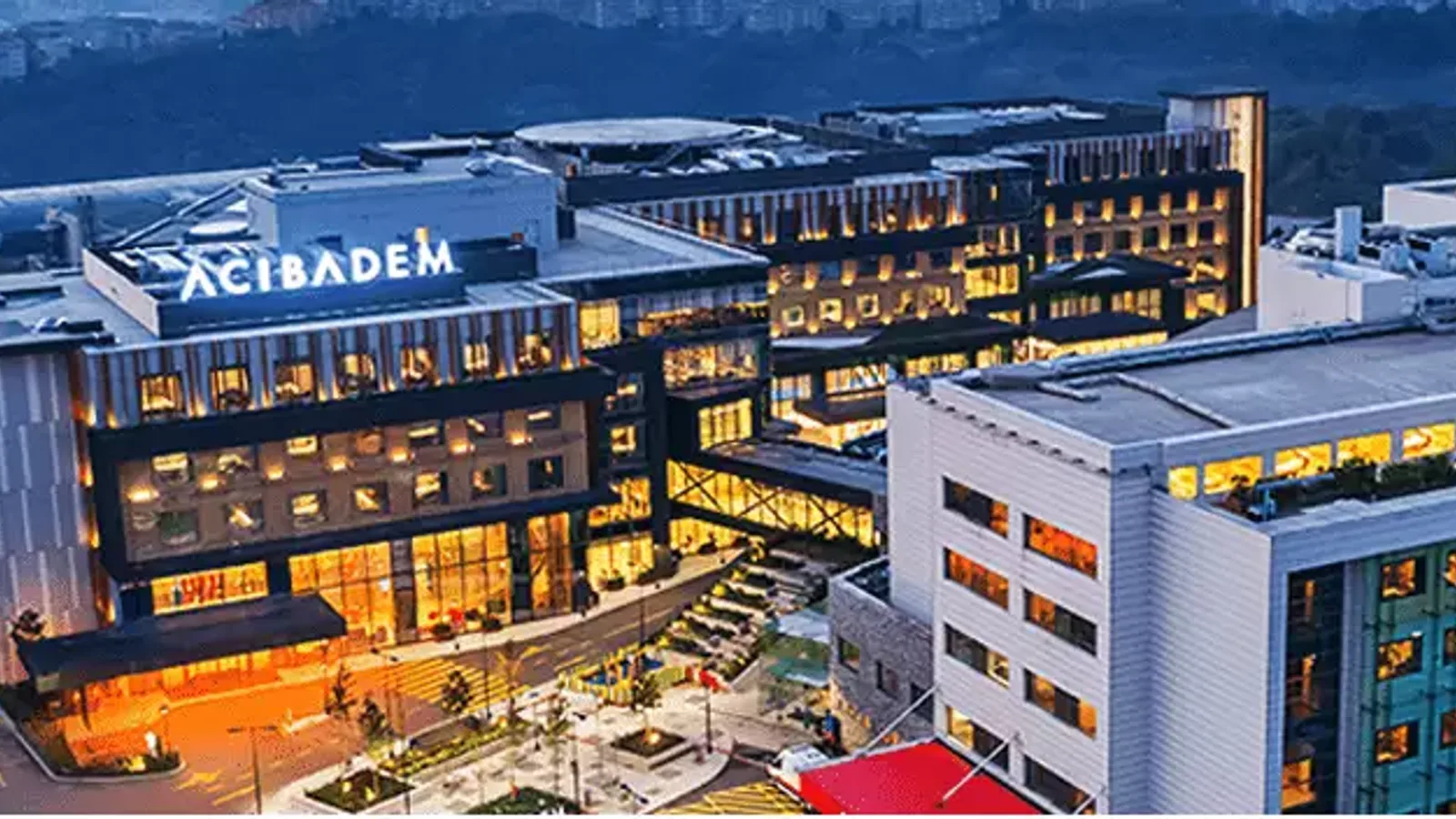
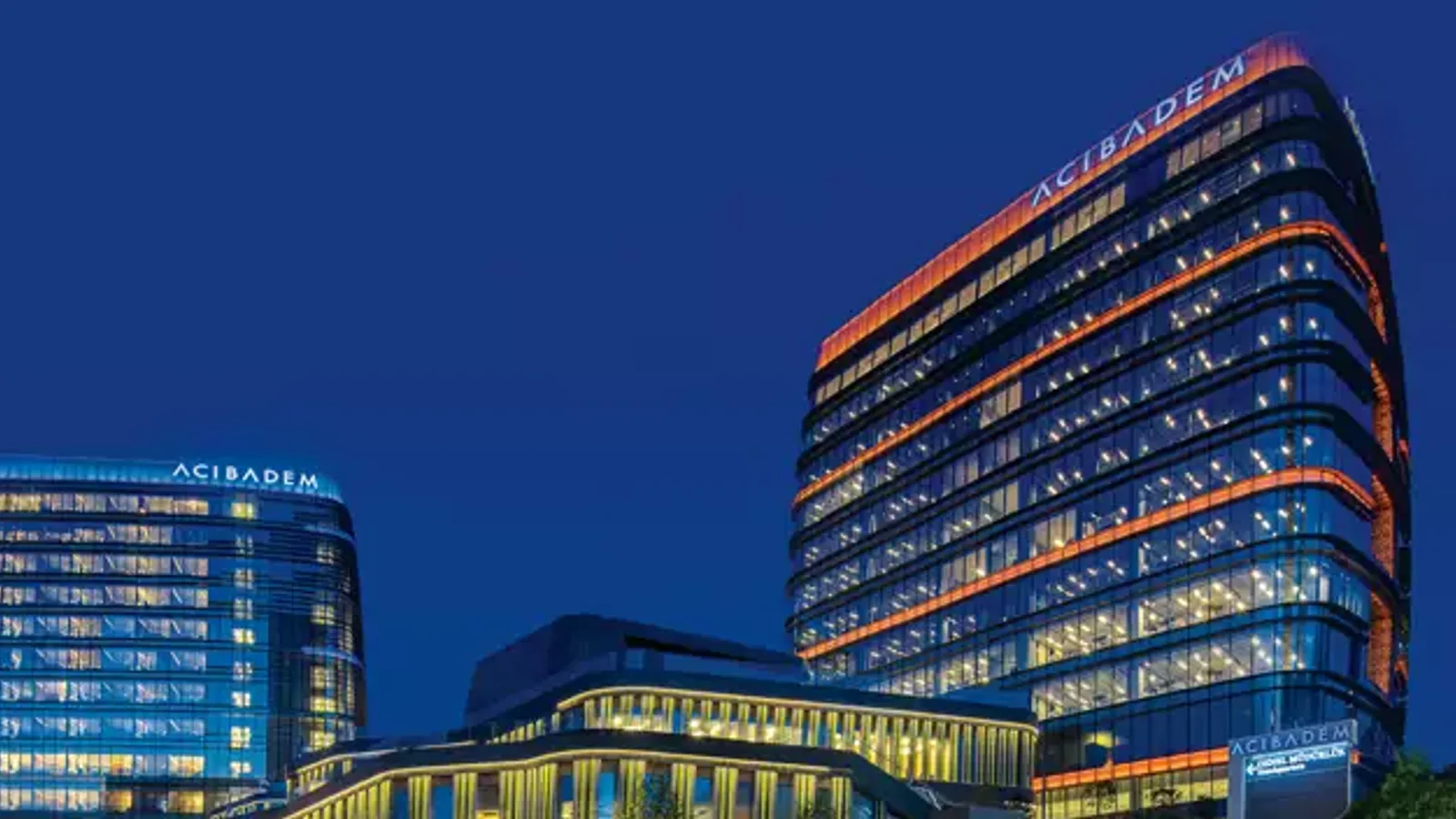
Acıbadem Altunizade Hospital
istanbul
- Specialties
- 28

Liv Hospital Topkapı
istanbul
- Specialties
- 18

Acıbadem Ataşehir Hospital
istanbul
- Specialties
- 29

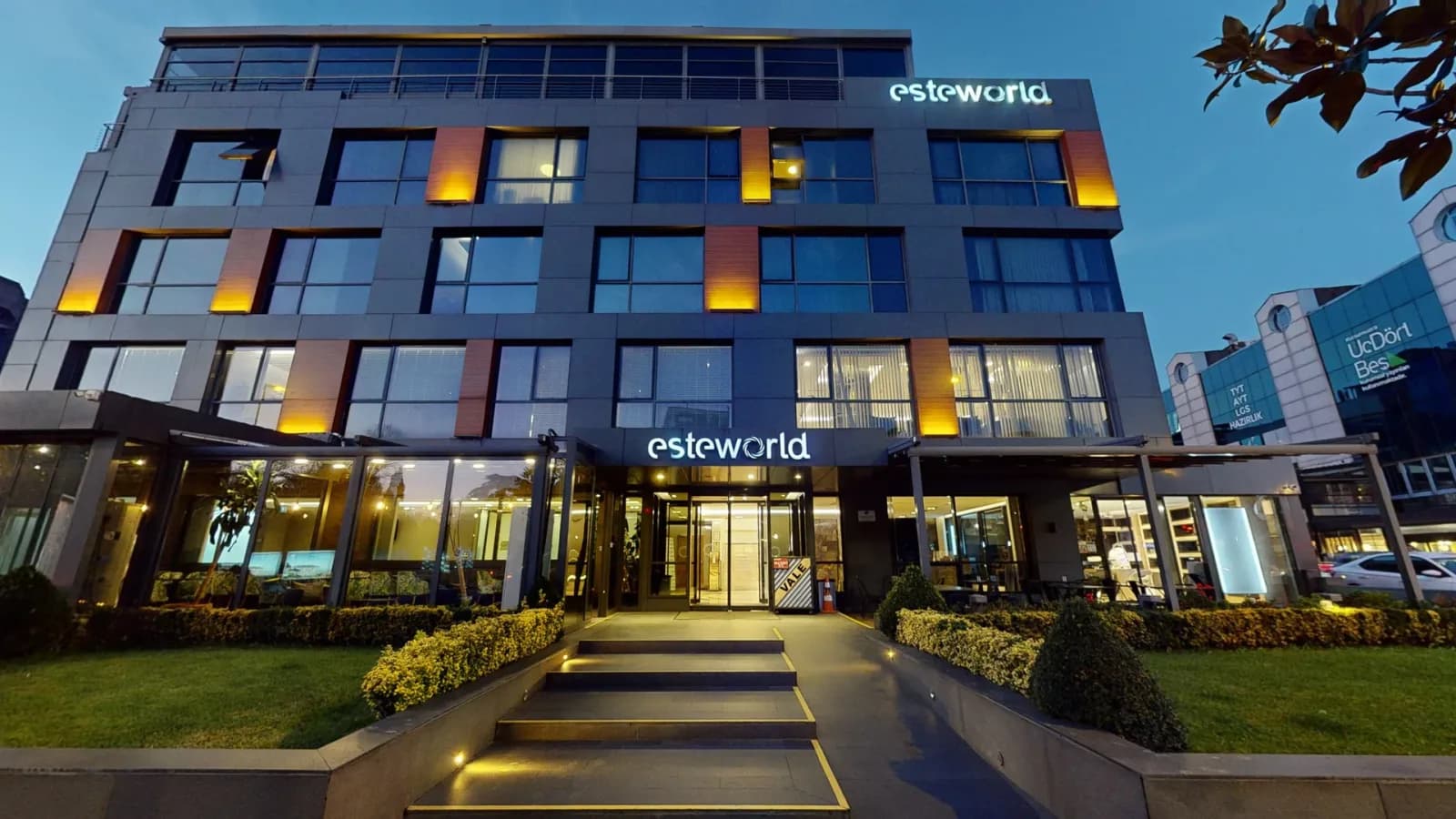
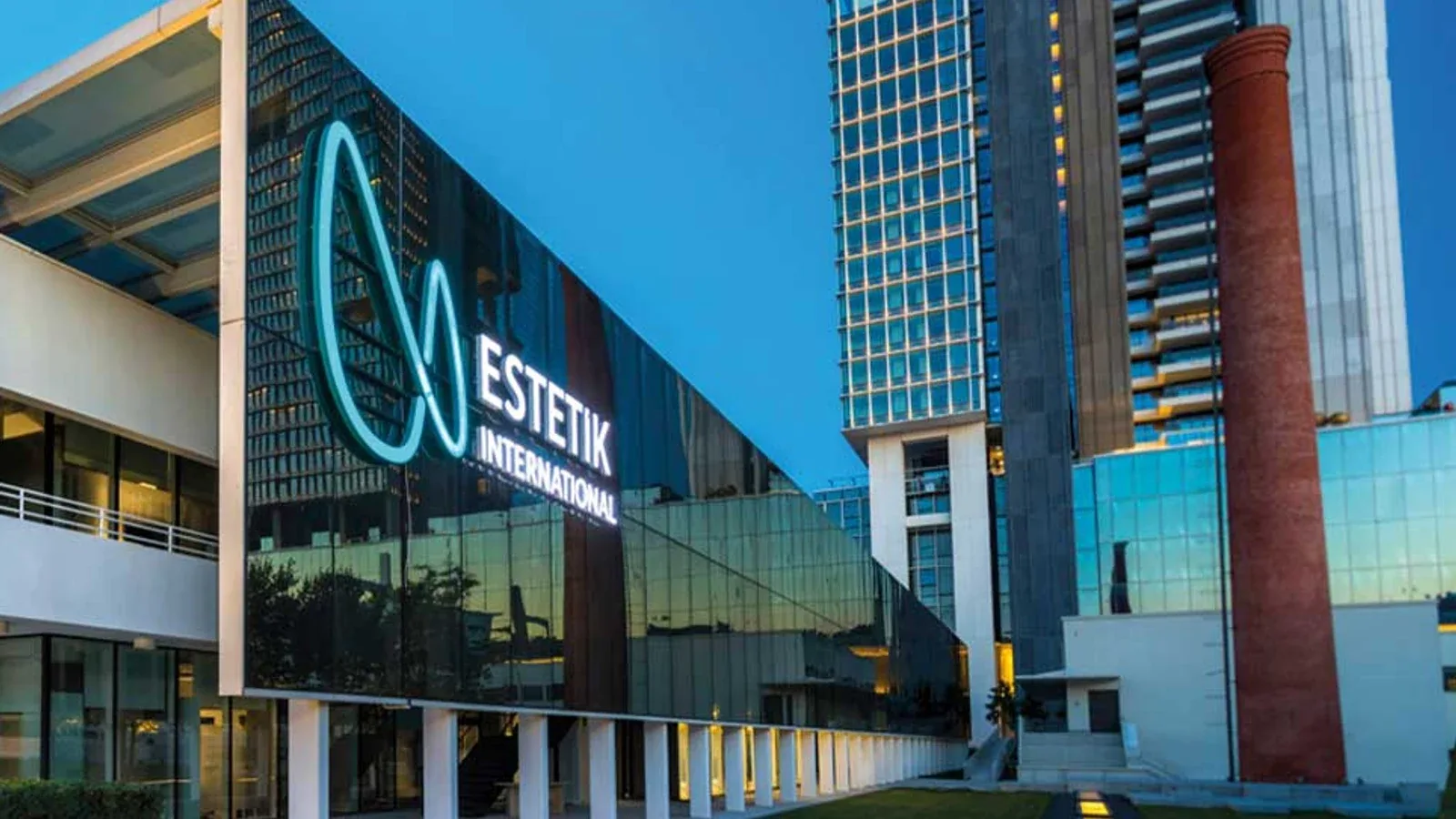
Estetik International Mecidiyeköy
istanbul
- Specialties
- 3

Liv Hospital Bahçeşehir
istanbul
- Specialties
- 24

Liv Hospital Ulus
istanbul
- Specialties
- 24

Acıbadem Maslak Hospital
istanbul
- Specialties
- 29

Memorial Bahçelievler Hospital
istanbul
- Specialties
- 31

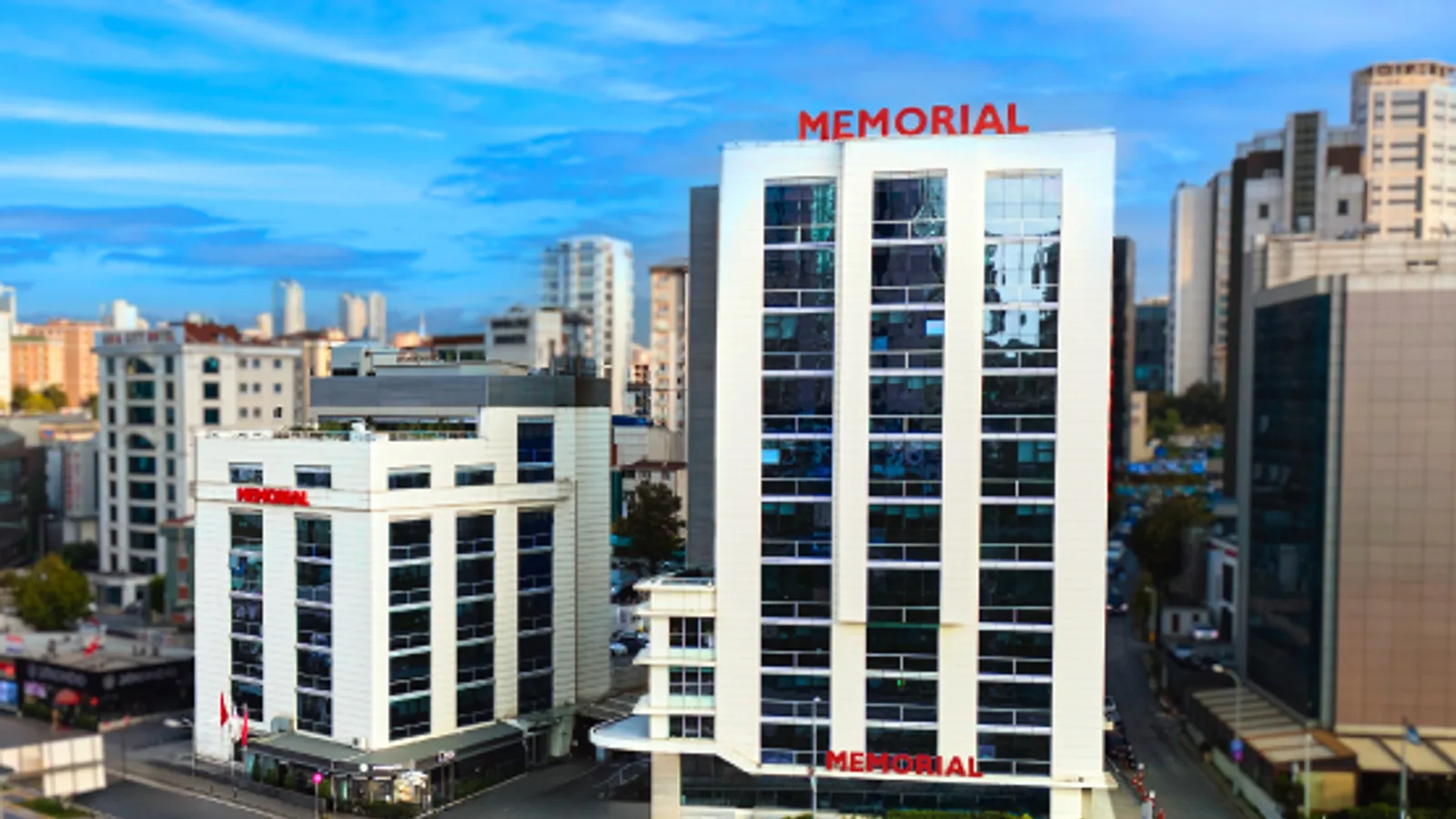
Memorial Şişli Hospital
istanbul
- Specialties
- 29
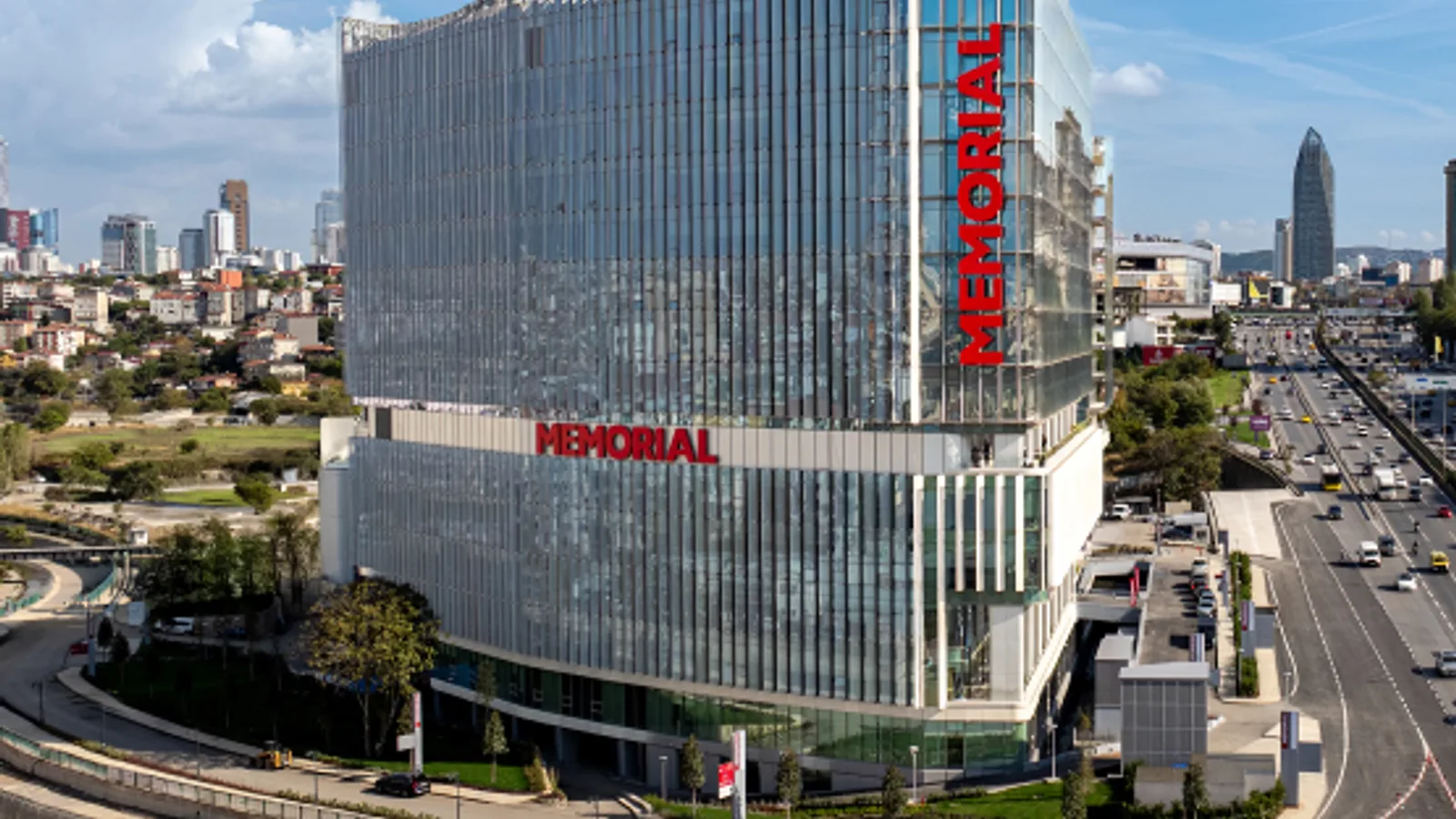
Memorial Göztepe Hospital
istanbul
- Specialties
- 24

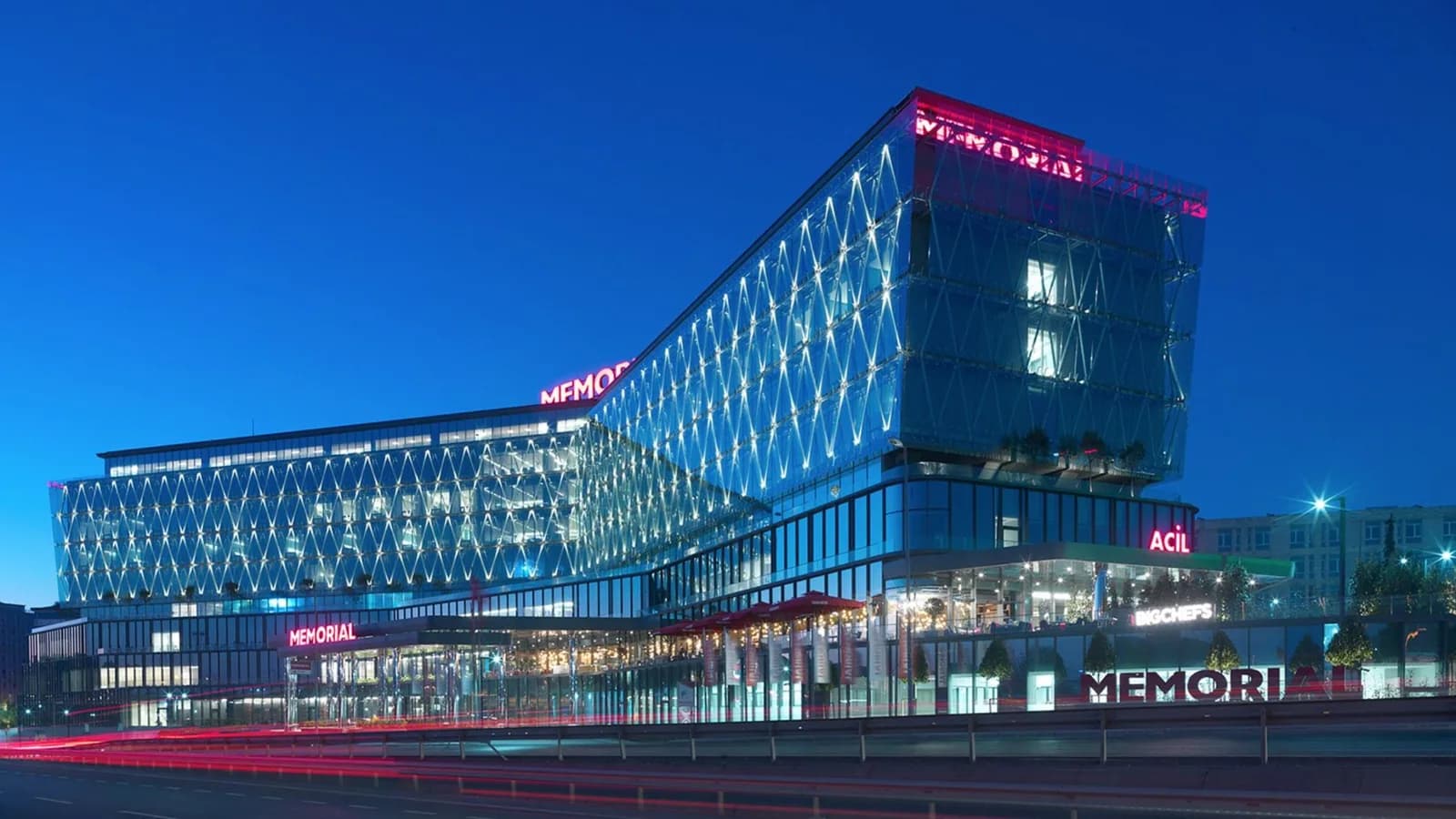
Memorial Ataşehir Hospital
istanbul
- Specialties
- 28
Specialties
Not sure which hospital fits your case?
Upload your medical records and let AI match you to the right hospital.
Upload records and get matched