Liposuction

Liposuction

Istanbul

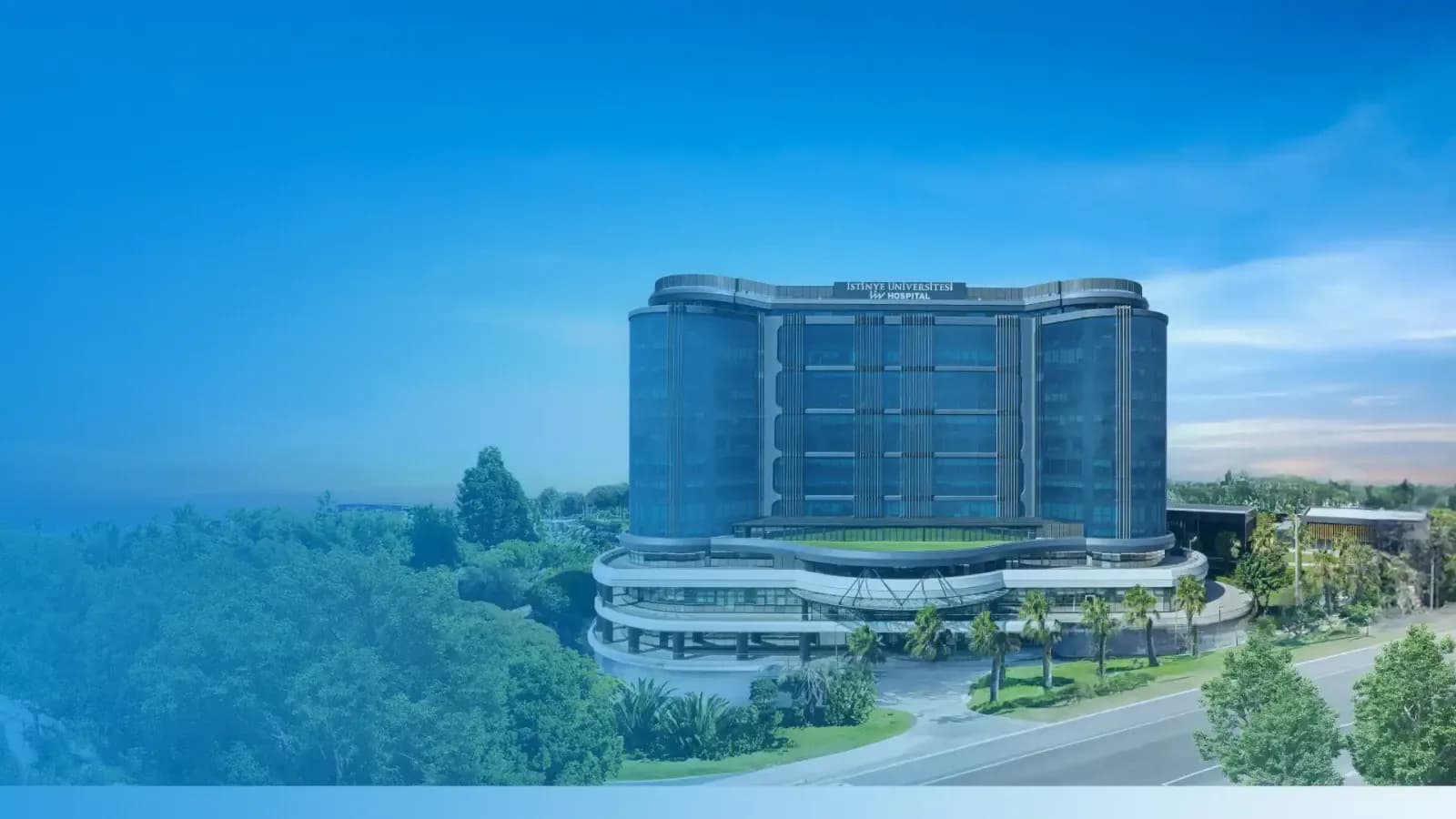
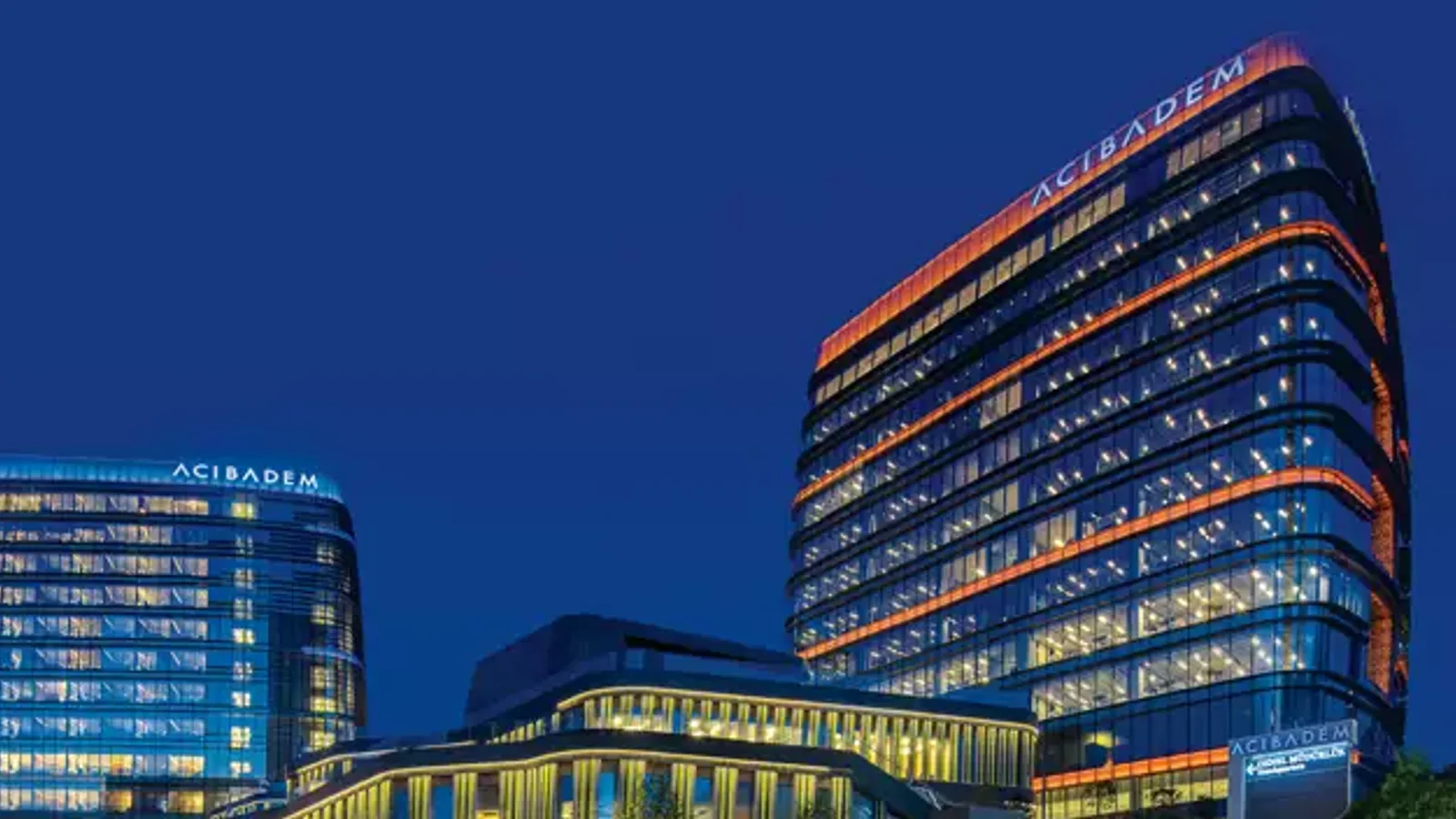
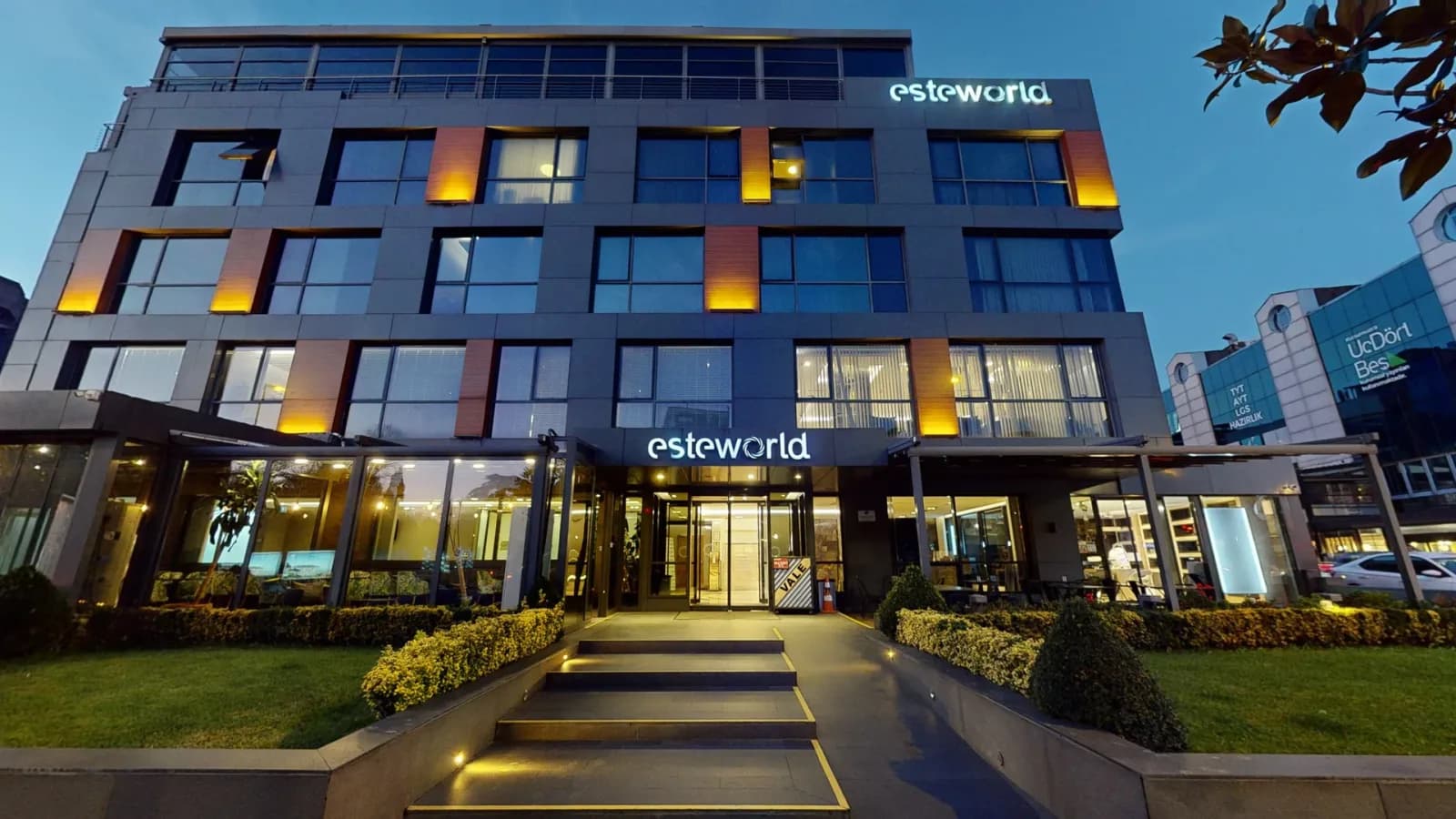
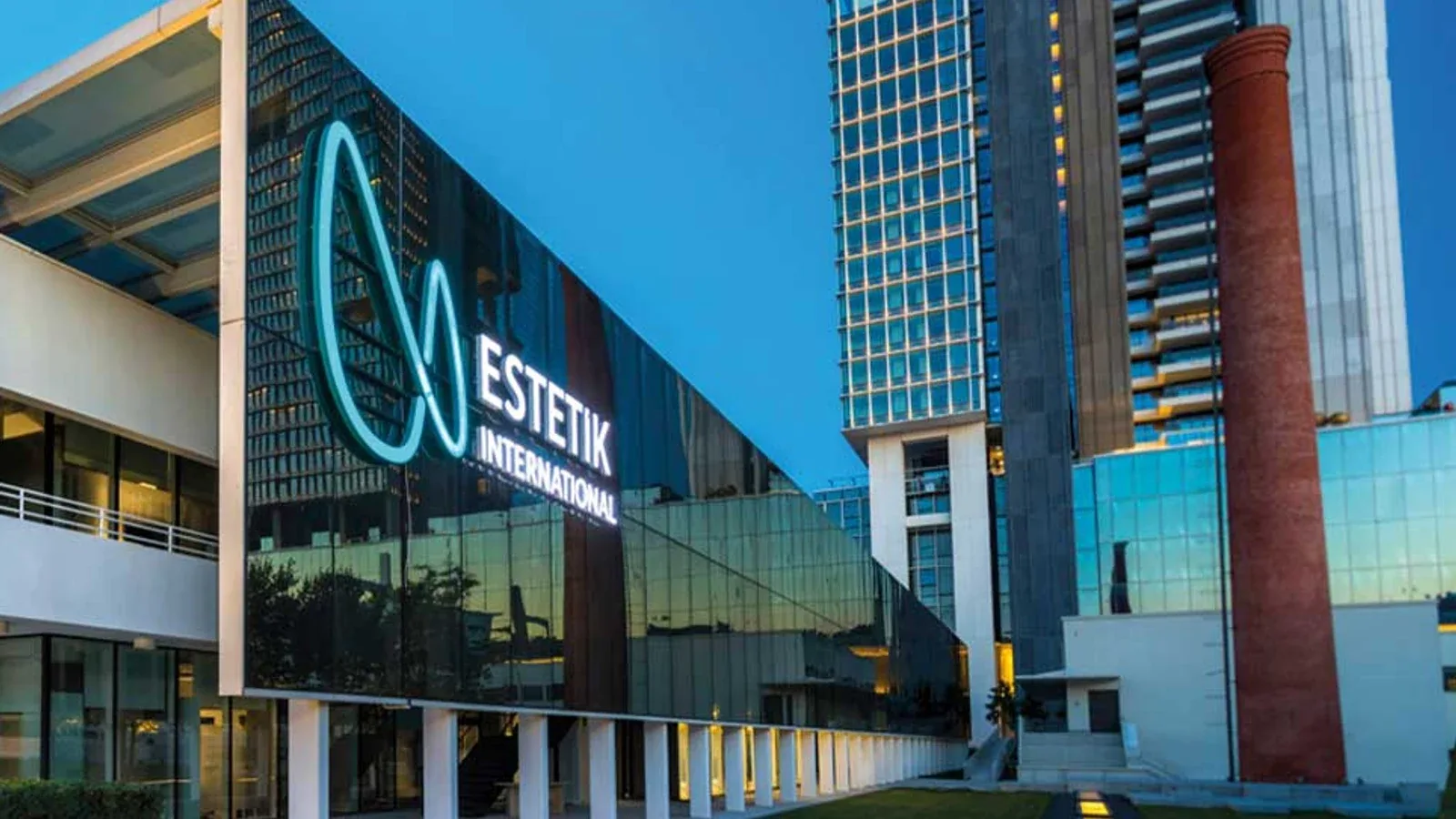
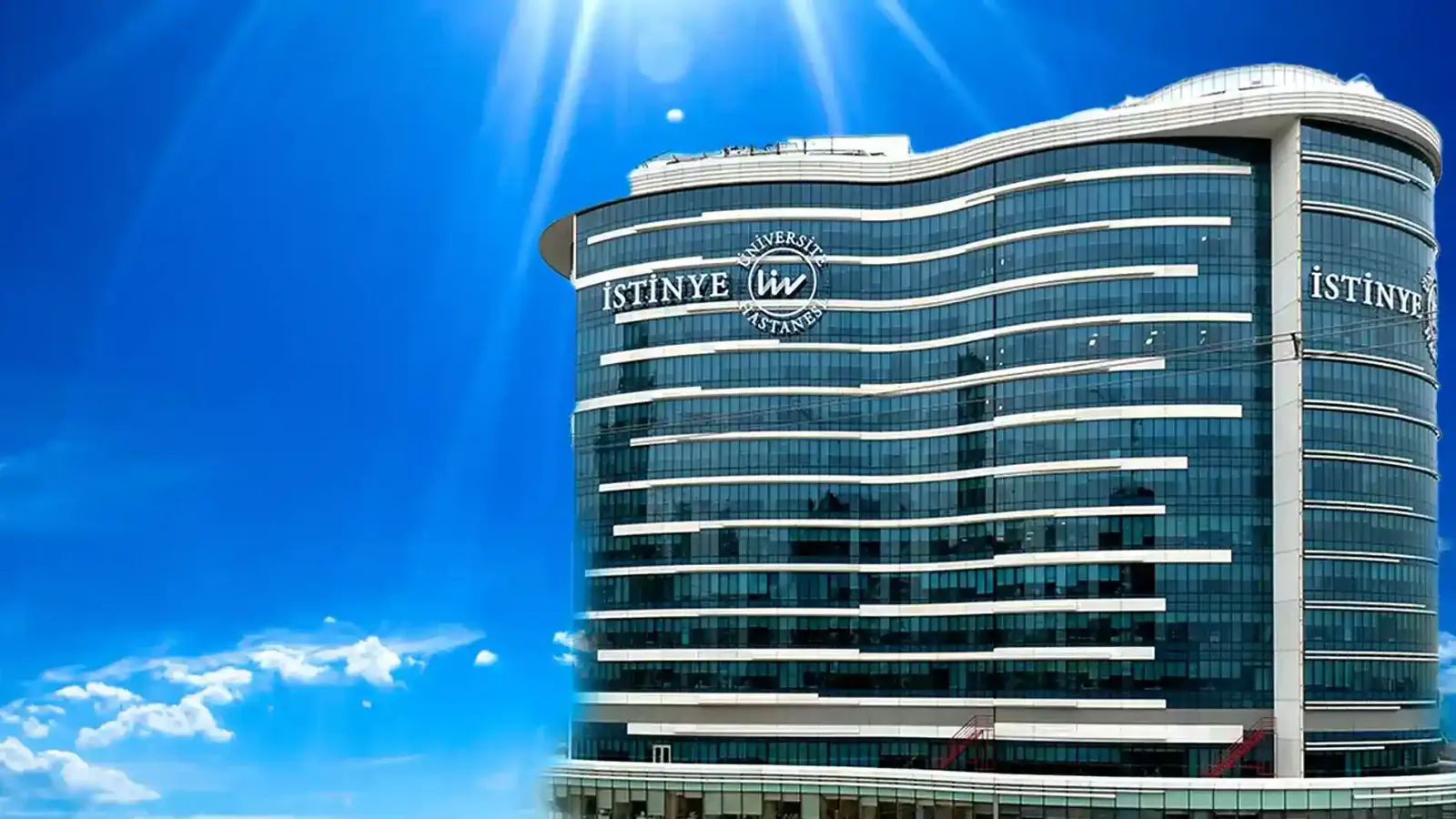
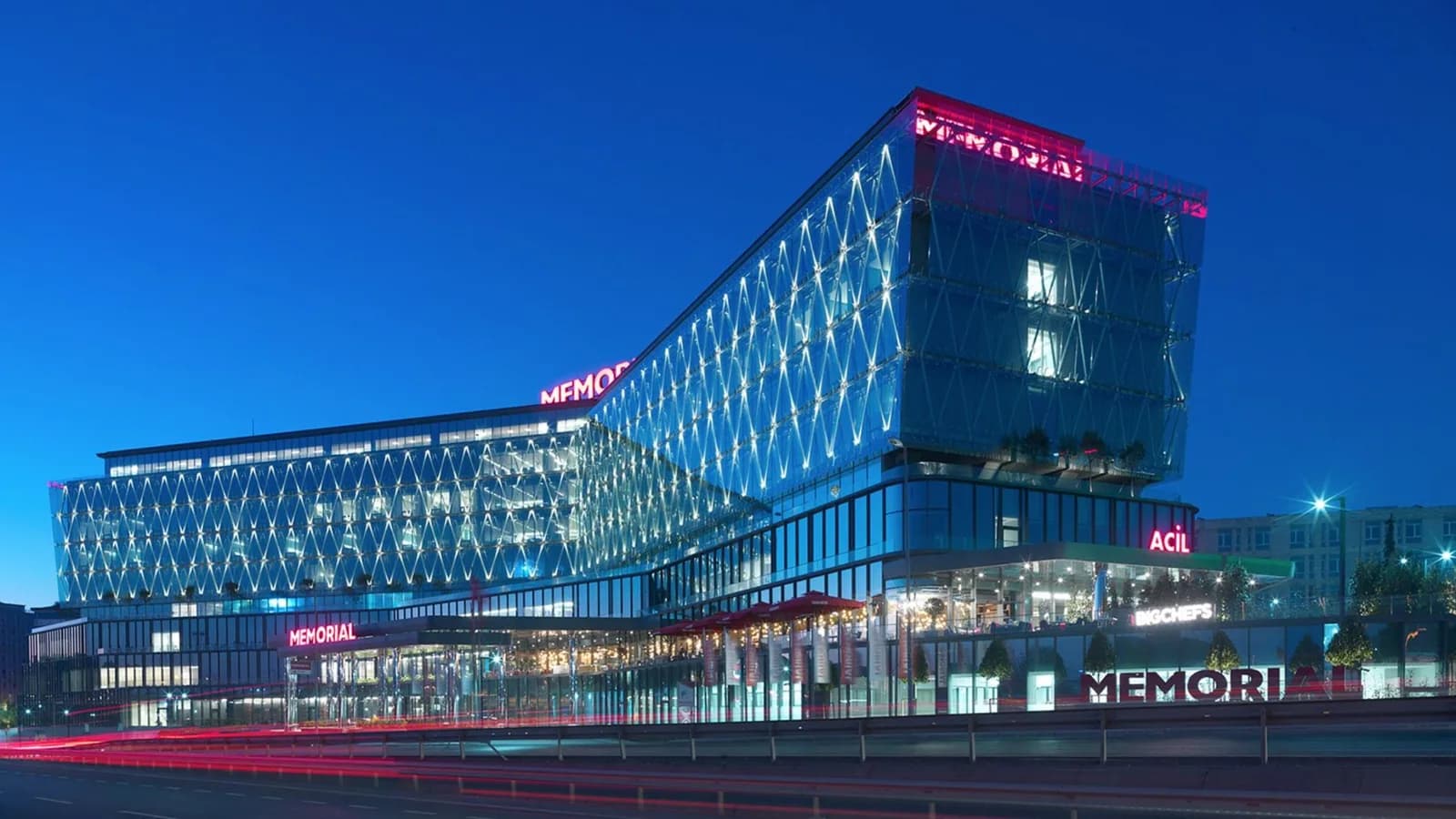
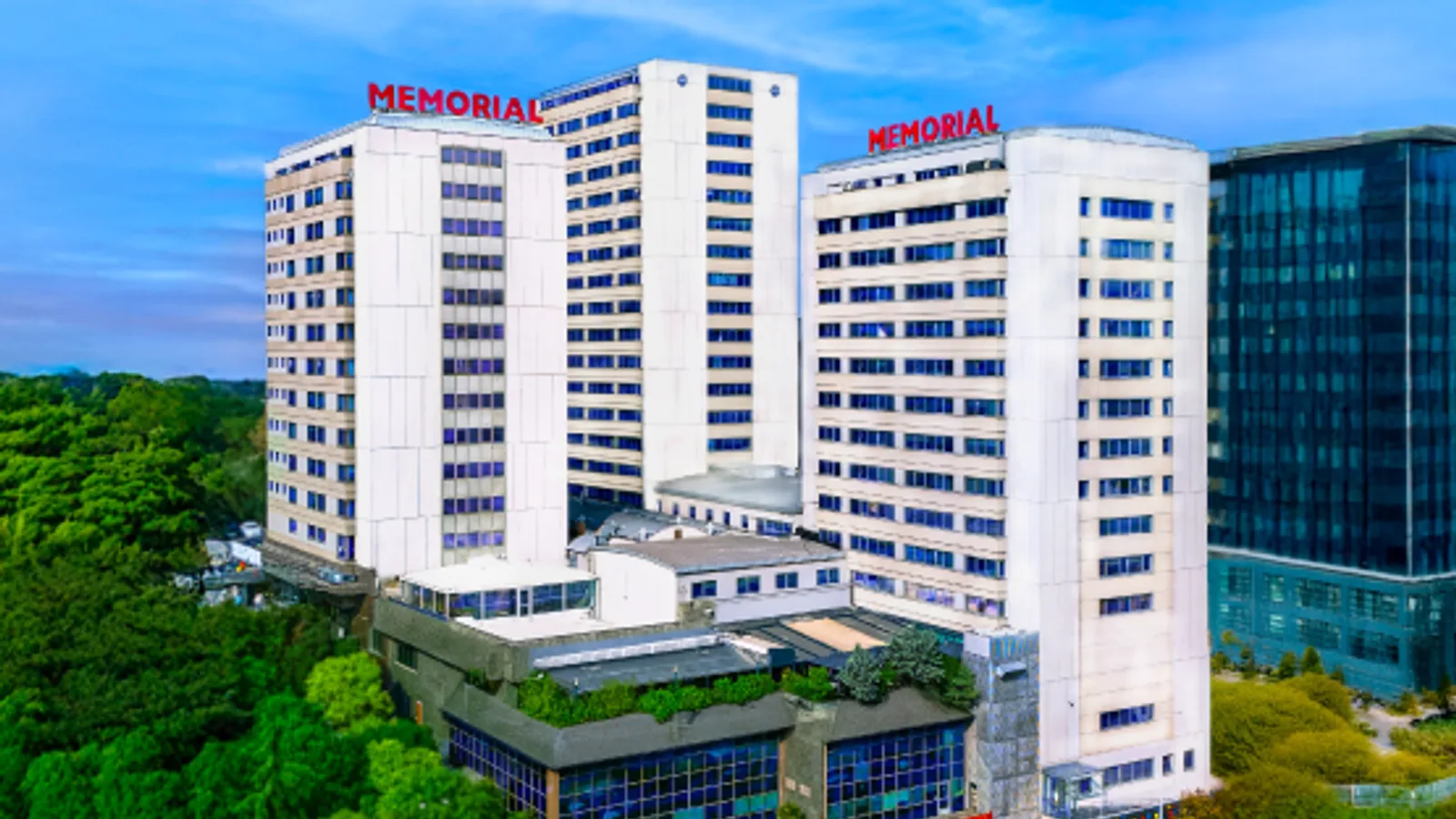
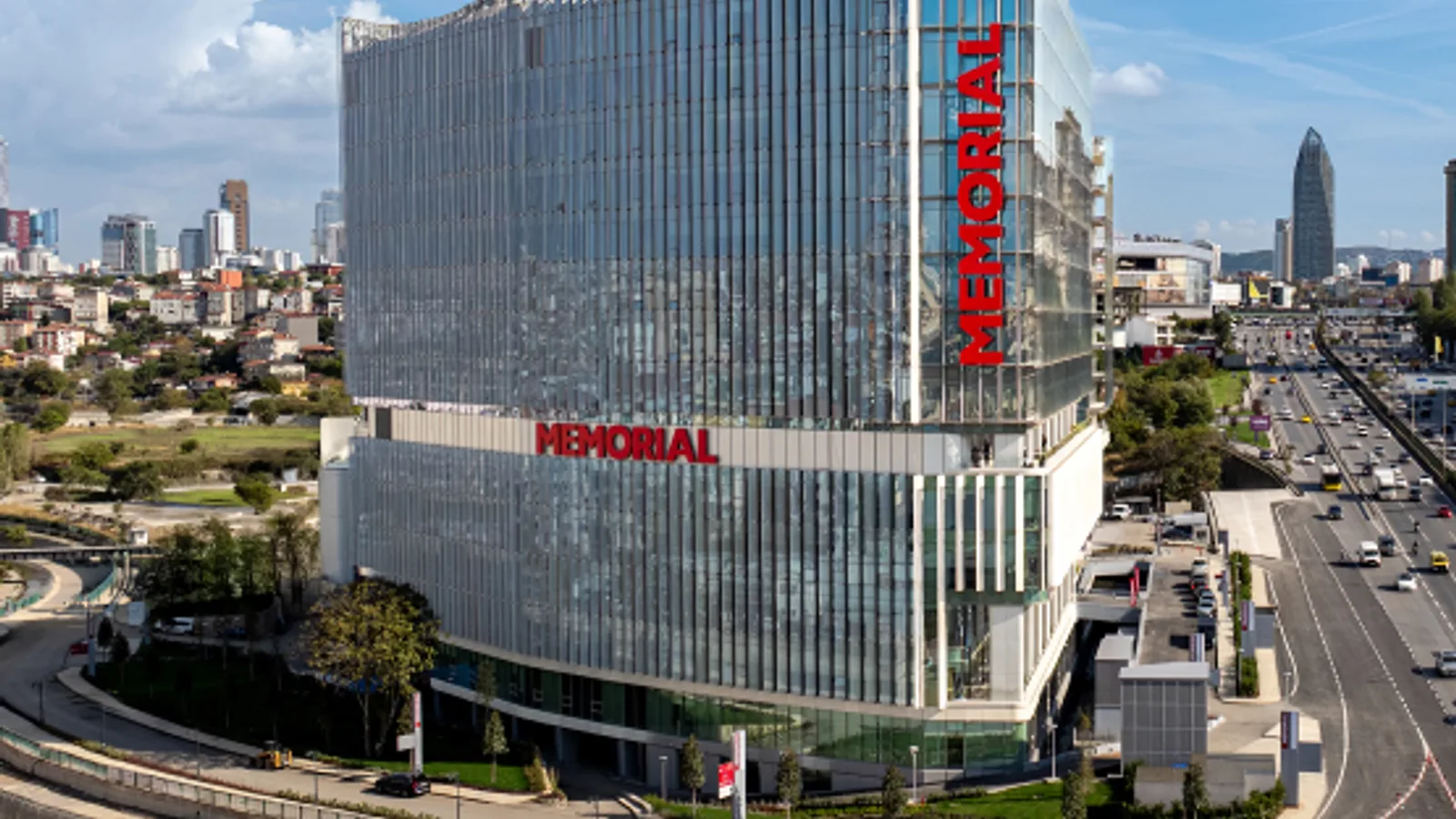
Liposuction in Istanbul is available at 12 hospitals in the Voumed network.

Liposuction reshapes the body by breaking up and gently suctioning away stubborn pockets of fat that resist diet and exercise, working through thin tubes placed in a few small incisions. It is a body-contouring procedure, not a weight-loss operation, designed to refine the silhouette in specific areas rather than to reduce overall weight. Common targets include the abdomen and waist, the hips and thighs, the back, the upper arms and the area under the chin, with the goal of smoother, more balanced lines. Many people travel abroad for liposuction to reach experienced plastic surgery teams, modern contouring technology and the chance to recover privately while their new shape settles.

On this page

At a glance

Anaesthesia
general anaesthesia, or local with sedation for small areas
Hospital stay
day case or one overnight stay
Procedure time
about 1 to 3 hours depending on the number and size of areas
Recovery
light daily activity within a few days; sport and heavy effort paused for about four to six weeks
Time before flying home
usually about 5 to 7 days, once the first check confirms healing
Results visible
an early change once swelling eases, with the final contour over 3 to 6 months

What it is

Liposuction is the surgical reshaping of the body by removing localised fat that does not respond to diet or exercise and that throws the body's proportions off balance. The surgeon makes a few small incisions, slides in thin tubes called cannulas, and uses controlled suction to draw out the unwanted fat, sculpting smoother contours in the treated area. It is important to understand that liposuction is not a treatment for general overweight or obesity and does not replace healthy living; rather, it addresses defined bulges in an otherwise stable body. The fat cells that are removed are gone for good, which is why the improvement in shape is lasting when a healthy lifestyle is maintained afterwards.

When it is recommended

Liposuction is recommended for people who are close to a stable, healthy weight but have stubborn fat deposits in particular areas that have not shifted with diet and exercise. The most commonly treated regions are the abdomen and waist, the hips and outer thighs, the inner thighs and knees, the back and the bra line, the upper arms, and the fullness under the chin and along the jawline. In men it is often used to flatten the chest in gynecomastia, where excess fatty tissue makes the chest appear enlarged. It is not the right choice for someone seeking general weight loss, for loose, sagging skin that needs tightening, or for deeper abdominal fat around the organs, all of which are better addressed in other ways. The areas to treat are decided individually after a detailed assessment.

How it is performed

Most liposuction is carried out under general anaesthesia, although smaller single areas can be done under local anaesthesia with sedation, and the operation usually takes about one to three hours depending on how many regions are treated. The technique used most widely today is tumescent liposuction, in which a solution of saline, local anaesthetic and a vessel-narrowing medicine is first injected to swell the fat and limit bleeding and bruising, after which the softened fat is removed through fine cannulas. Energy-assisted methods such as laser-assisted and ultrasonic (Vaser) liposuction can be used to break up the fat before suction, which helps in fibrous or larger areas and can encourage smoother results. Through it all the surgeon works to leave an even, natural contour, and the small incisions are closed or left to heal and usually fade to near invisibility.

Candidacy and preparation

A good candidate is close to their ideal weight, generally with a body mass index below about 30, in good general health with any conditions such as diabetes or high blood pressure well controlled, has reasonably firm, elastic skin that can shrink to the new shape, holds realistic expectations, and does not smoke or is willing to stop, since smoking slows healing and raises the risk of complications. The consultation reviews the areas of concern, examines skin quality and fat distribution, and confirms overall health, and routine pre-operative checks such as blood tests prepare the patient for anaesthesia. Blood-thinning medicines and certain supplements are paused in advance on medical advice. For international patients much of this can begin remotely, with photographs and a health questionnaire reviewed before travel and the final assessment and plan completed in person on arrival.

Recovery and planning your treatment abroad

Most patients go home the same day or after one night and feel sore, bruised and swollen rather than in sharp pain, which is well controlled with simple medication. A snug compression garment is worn over the treated areas for several weeks; it reduces swelling, supports the tissues and helps the skin settle smoothly onto the new contour. Light walking is encouraged straight away to aid healing, gentle daily activity and desk work resume within a few days, and most people return to a normal routine within one to two weeks, while sport and heavy lifting wait about four to six weeks. Some fluid may drain from the incisions in the first day or two, which is expected. Planning a trip abroad, it is sensible to stay in the destination city for about 5 to 7 days so the first check can confirm healing is on track before flying. Swelling then fades gradually and the final, refined contour emerges over roughly three to six months, with remote follow-up and interpreter support throughout.

Risks, safety and results

When performed by an experienced surgeon in a proper hospital setting, liposuction is safe and well established, though like any operation it carries some risk. Swelling, bruising and temporary numbness over the treated areas are expected and settle over the following weeks. Less common risks include infection, bleeding, fluid collection under the skin, and contour irregularities or mild unevenness, which can usually be improved if needed. Treating very large volumes in one session raises the risk, so the amount removed is kept within safe limits, sometimes by planning more than one stage. The fat cells removed do not return, so the result is durable, but the remaining fat cells can still enlarge if weight is gained, which is why a steady weight, healthy eating and regular exercise protect the result. With realistic expectations and good aftercare, most patients enjoy smoother, more balanced body lines that last.

Frequently asked questions

These answers are general guidance and may vary by provider. Confirm the details with the hospital you choose.

Is liposuction a way to lose weight?

No. Liposuction is a body-contouring procedure that removes stubborn fat from specific areas to improve shape, not a treatment for general overweight or obesity. The best results come when you are already close to a stable, healthy weight and simply want to refine areas that have not responded to diet and exercise.

Which areas can be treated?

The most common areas are the abdomen and waist, the hips and thighs, the inner thighs and knees, the back and bra line, the upper arms, and the fullness under the chin and jawline. In men, it is often used to flatten the chest in gynecomastia. Several areas can be treated in one session within safe limits, decided after a detailed assessment.

What methods of liposuction are used?

The most widely used today is tumescent liposuction, where a special solution swells the fat so it can be removed with minimal bleeding and bruising. Energy-assisted methods such as laser-assisted and ultrasonic (Vaser) liposuction help break up the fat first, which can be useful in firmer or larger areas and may encourage a smoother result.

Is the procedure painful, and what anaesthesia is used?

You feel nothing during the procedure, which is done under general anaesthesia, or under local anaesthesia with sedation for small single areas. Afterwards there is soreness and a bruised, tender feeling rather than sharp pain, well managed with simple painkillers for the first several days.

How long should I plan to stay abroad?

Most people plan to stay in the destination city for about 5 to 7 days. This allows time for the operation, a short rest, fitting of the compression garment and a first check confirming that healing is on track before flying home, after which follow-up continues remotely.

When can I fly home and return to normal activity?

Most patients fly home about 5 to 7 days after surgery once the surgeon confirms healing is going well. Light daily activity returns within a few days and most normal routines within one to two weeks, while sport, swimming and heavy lifting are avoided for about four to six weeks.

Are the results permanent?

The fat cells removed are gone for good, so the improved shape is lasting. However, the fat cells that remain can still grow if you gain weight, so keeping a steady weight with healthy eating and regular exercise is what protects the result over the long term.

When will I see the final result?

You will notice an early change once the first swelling eases, but the body keeps refining for some time. The compression garment helps the skin settle, most swelling fades over the first weeks, and the final, smooth contour becomes clear over roughly three to six months.

Not sure which hospital fits your case?

Upload your medical records and let AI match you to the right hospital.

Upload records and get matched

Available at these hospitals

Specialties

Not sure which hospital fits your case?

Upload your medical records and let AI match you to the right hospital.

Upload records and get matched