Tummy Tuck (Abdominoplasty)
Istanbul
Tummy Tuck (Abdominoplasty) in Istanbul is available at 12 hospitals in the Voumed network.
A tummy tuck, known medically as abdominoplasty, reshapes the abdomen by removing loose, excess skin and fat from the lower belly and tightening the underlying muscles. It is one of the most requested body-contouring operations because it addresses something that diet and exercise alone usually cannot fix: skin and muscle that have been permanently stretched by pregnancy, major weight loss or the passage of time. The result is a flatter, firmer, smoother midsection that holds its shape. Many people travel abroad for a tummy tuck to reach experienced body-contouring surgical teams, shorter waiting times and the comfort of recovering privately before returning home.
On this page
At a glance
- Anaesthesia
- general anaesthesia
- Procedure time
- about 2 to 4 hours, depending on whether it is a full or mini procedure
- Hospital stay
- usually one to two nights
- Recovery
- light activity within about 2 weeks; most normal activities by 4 to 6 weeks
- Time before flying home
- usually 10 to 14 days, once drains are out and early healing is confirmed
- Results
- an immediate change, with the final firm contour settling over about 6 months
What it is
Abdominoplasty is surgery that restores a firm, smooth abdominal profile in three connected steps. The surgeon removes excess skin that hangs or folds over the lower abdomen, removes excess fat from the same area, and repairs the abdominal muscles that have been stretched apart. Through a low horizontal incision placed just above the pubic line, where clothing and underwear hide the scar, the loose skin is lifted, the wall of the abdomen is tightened and the remaining skin is redraped smoothly. Because much of the stretching after pregnancy or weight change cannot be reversed by exercise, a tummy tuck is often the only way to achieve a genuinely flat, toned shape. It can also reduce stretch marks that sit on the lower abdomen, since that strip of marked skin is part of what is removed.
Full and mini abdominoplasty, and what it treats
A tummy tuck treats three problems at once. The first is loose, sagging skin: weight loss, pregnancy and ageing leave skin that has lost its elasticity and no longer shrinks back, and this excess is trimmed away. The second is the muscle. After pregnancy or significant weight change the two vertical bands of abdominal muscle often separate down the middle, a condition called diastasis recti, which makes the belly bulge no matter how strong the core is; the surgeon stitches these muscles back together to rebuild a firm, narrower abdominal wall. The third is excess fat, which is removed directly and sometimes refined with liposuction of the upper abdomen for a smoother contour. The full procedure addresses the whole abdomen above and below the navel and includes muscle repair; a mini tummy tuck is a smaller operation for people whose looseness is limited to below the navel, with a shorter scar and no repositioning of the belly button. A tummy tuck is not the same as liposuction: liposuction removes fat only, while abdominoplasty also removes skin and tightens muscle, so the two are sometimes combined when there is both loose skin and stubborn fat.
Candidacy and preparation
A good candidate is in generally good health, at or near a stable weight, a non-smoker or willing to stop well before surgery, and holds realistic expectations. A tummy tuck is a body-contouring operation, not a weight-loss method, so it works best once weight has settled; women often wait until they have finished having children, because a later pregnancy can stretch the repaired muscle again. The strongest candidates have excess abdominal skin or fat that does not respond to diet and exercise, weakened or separated muscles, or both. Preparation begins with a consultation that reviews goals, health history and the condition of the skin and muscle, followed by routine pre-operative checks such as blood tests to confirm fitness for anaesthesia. Smoking and certain blood-thinning medicines and supplements slow healing and are paused in advance on medical advice, and a stable, healthy weight is maintained before the date. For international patients much of this can begin remotely, with photographs and a health questionnaire reviewed before travel and the final assessment completed in person on arrival.
How it is done
The operation is performed under general anaesthesia, so the patient is asleep and feels nothing throughout. Before starting, the surgeon marks the abdomen while the patient is standing, to plan the exact removal precisely. A horizontal incision is made just above the pubic hairline, kept low so the scar stays hidden; in a full tummy tuck a second small incision is made around the navel. The skin and fat are then lifted away from the muscle so the surgeon can reach the abdominal wall. Where the muscles have separated, they are stitched firmly back together to create a tighter wall and a narrower waistline. Excess fat and skin are removed, the remaining skin is drawn smoothly downward, and in a full procedure the navel is brought out through a new opening and stitched into a natural position. The incisions are closed with sutures that may dissolve over time or be removed at a follow-up visit, dressings are applied, and thin temporary drains are usually placed under the skin to carry away fluid in the first days. A compression garment is fitted to support the area and reduce swelling.
Recovery and planning your treatment abroad
Recovery is gradual and asks for patience. After surgery the abdomen is supported by a compression garment, and small drains stay in place for a few days to remove fluid before they are removed at a check-up. Swelling, bruising and a feeling of tightness are normal at first and are well managed with prescribed medication. For the first days patients walk in a slightly forward-leaning posture and sleep with the upper body raised to take tension off the incision; gentle short walks are encouraged early to keep the circulation moving, while bending, lifting and twisting are avoided. Most people return to light daily activities within about two weeks and to most normal activities by four to six weeks, with strenuous exercise and heavy lifting resumed only once the surgeon gives clearance. The compression garment is worn for several weeks. Planning a trip abroad, it is sensible to stay in the destination city for about 10 to 14 days, so the drains can be removed and early healing checked before flying. Afterwards, follow-up continues remotely by message, photo or video, and international patient teams commonly provide interpreters and coordinators so that language is never a barrier.
Results and longevity
The change is visible immediately, but the final result emerges as swelling fades over the following months, with the firm, settled contour usually clear by about six months. The skin and fat removed during surgery are gone for good, so the improvement is lasting, and the repaired muscle gives the abdomen a flatter, more toned shape that core exercises alone could not achieve. The scar sits low and is designed to be hidden by underwear or swimwear; it is permanent but fades and flattens considerably over the first year with good aftercare. To protect the result it helps to keep a stable weight and a healthy lifestyle, since large weight swings or a future pregnancy can stretch the skin and muscle again. For most patients a tummy tuck delivers a durable, natural-looking improvement in both the shape of the abdomen and their confidence in how clothes fit.
Frequently asked questions
These answers are general guidance and may vary by provider. Confirm the details with the hospital you choose.
Where will the scar be and how visible is it?
The main scar is a low horizontal line placed just above the pubic area, positioned so it sits below the underwear and swimwear line and stays hidden. In a full tummy tuck there is also a small scar around the navel. Scars are permanent, but they typically fade and flatten substantially over the first year, especially with the aftercare your surgeon recommends.
How is a tummy tuck different from liposuction?
Liposuction only removes fat and does nothing for loose skin or separated muscle. A tummy tuck removes excess skin, removes fat and tightens the abdominal muscles, which is why it suits people left with sagging skin and a stretched abdominal wall after weight loss or pregnancy. When there is both extra fat and loose skin, the two procedures are sometimes combined.
How many days should I plan to stay abroad?
Most people plan to stay in the destination city for about 10 to 14 days. This allows time for the operation, a short rest, removal of the drains and a final check that early healing is on track before you fly home.
When can I safely fly home after surgery?
Flying is usually safe once the drains are out and the surgeon confirms healing is progressing well, generally around 10 to 14 days after surgery. Waiting that period matters for more than comfort: longer operations and reduced early mobility raise the risk of a blood clot in the legs, so allowing time to be up and walking, with the surgeon's clearance and any advised precautions on the flight, makes the journey home much safer.
Will a tummy tuck remove my stretch marks?
It can improve them, mainly the stretch marks on the lower abdomen, because that strip of skin is part of what is removed during surgery. Stretch marks on skin that stays may be tightened and look better but are not guaranteed to disappear completely.
Should I wait until after pregnancy to have a tummy tuck?
If you plan to have more children, it is generally wise to wait. A later pregnancy can stretch the skin and re-separate the muscles that were repaired, which may undo the result. Many women choose to have the procedure once their family is complete and their weight has settled.
Not sure which hospital fits your case?
Upload your medical records and let AI match you to the right hospital.
Upload records and get matchedAvailable at these hospitals

Liv Hospital Vadistanbul
istanbul
- Specialties
- 24

Acıbadem Altunizade Hospital
istanbul
- Specialties
- 28

Liv Hospital Topkapı
istanbul
- Specialties
- 18

Acıbadem Ataşehir Hospital
istanbul
- Specialties
- 29

Estetik International Mecidiyeköy
istanbul
- Specialties
- 3

Liv Hospital Bahçeşehir
istanbul
- Specialties
- 24

Liv Hospital Ulus
istanbul
- Specialties
- 24

Acıbadem Maslak Hospital
istanbul
- Specialties
- 29

Memorial Bahçelievler Hospital
istanbul
- Specialties
- 31

Memorial Şişli Hospital
istanbul
- Specialties
- 29
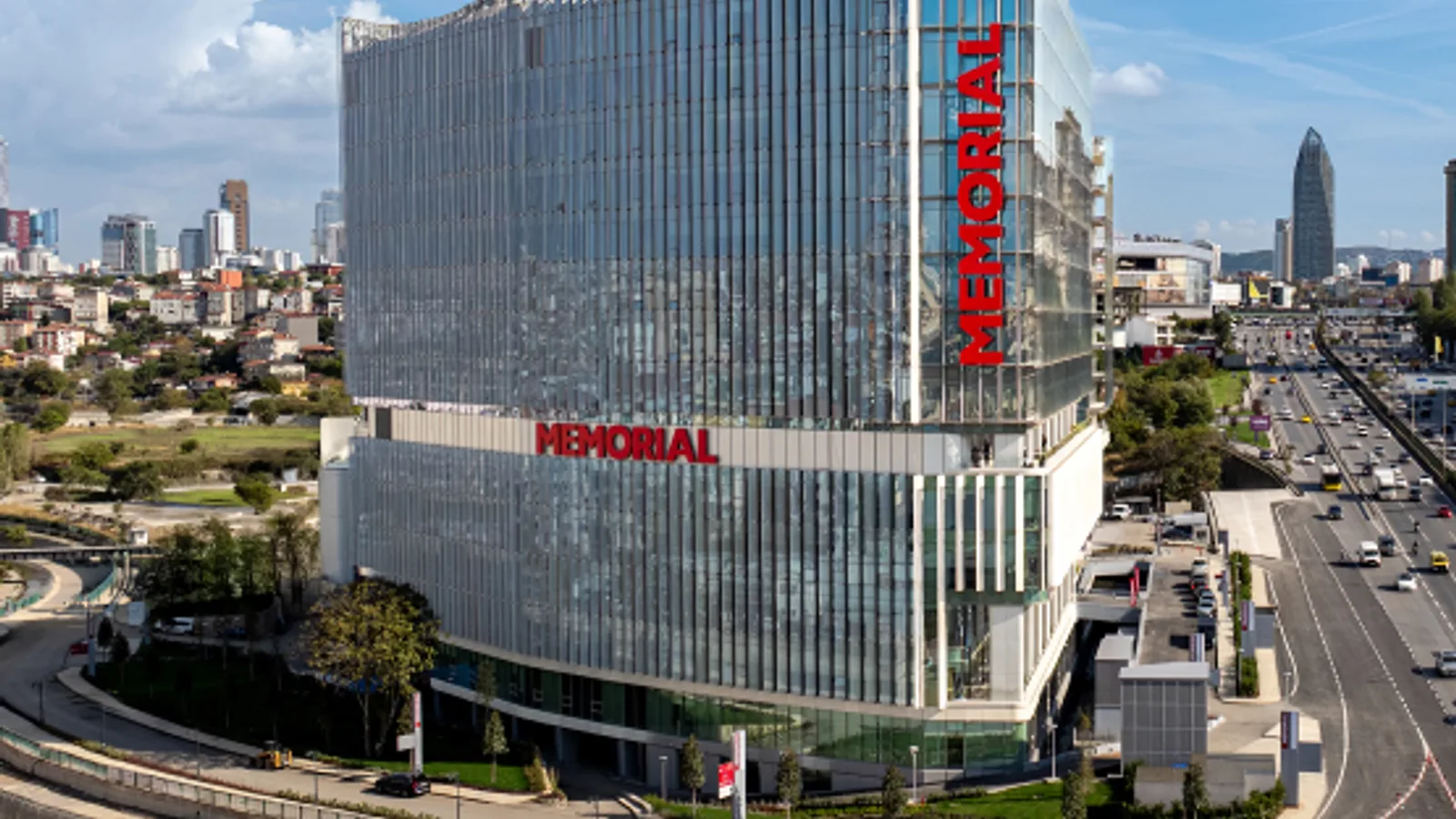
Memorial Göztepe Hospital
istanbul
- Specialties
- 24

Memorial Ataşehir Hospital
istanbul
- Specialties
- 28
Specialties
Not sure which hospital fits your case?
Upload your medical records and let AI match you to the right hospital.
Upload records and get matched