Breast Reduction (Reduction Mammoplasty)
Istanbul
Breast Reduction (Reduction Mammoplasty) in Istanbul is available at 12 hospitals in the Voumed network.
Breast reduction, also called reduction mammoplasty, removes excess breast tissue, fat and skin to create breasts that are lighter, firmer and better balanced with the rest of the body. For many people the goal is as much relief as appearance, because large, heavy breasts can cause lasting neck, back and shoulder pain, deep grooves from bra straps and skin irritation underneath. By reshaping and lifting the remaining tissue, the operation eases these symptoms while giving a more youthful, proportionate breast shape. Many patients travel abroad for breast reduction to reach experienced plastic surgical teams, shorter waiting times and the chance to recover quietly, away from everyday demands.
On this page
At a glance
- Anaesthesia
- general anaesthesia
- Hospital stay
- usually one night, sometimes a day case
- Procedure time
- about 2 to 4 hours
- Recovery
- light activity in 1 to 2 weeks; strenuous exercise and heavy lifting avoided for 4 to 6 weeks
- Time before flying home
- usually 7 to 10 days, once the first wound check is done
- Results visible
- lighter, lifted breasts at once, with the final shape settling over several months
What it is
Breast reduction is surgery that makes large, heavy breasts smaller and reshapes them into a firmer, lifted contour that suits the body. The surgeon removes surplus breast tissue, fat and skin, then sculpts what remains and usually moves the nipple and areola to a higher, more natural position. The result is both functional and aesthetic: it relieves the physical strain that oversized breasts place on the neck, back and shoulders, and at the same time improves their size, shape and position so they look balanced and youthful. Because it lifts as it reduces, the operation also corrects the sagging that often comes with heavy breasts, so many patients gain comfort and a renewed silhouette in a single procedure.
What it treats and the techniques used
The condition behind most breast reductions is breast hypertrophy, sometimes called macromastia, where the breasts are disproportionately large and heavy for the body. This commonly leads to chronic neck, back and shoulder pain, grooves where bra straps dig in, rashes or irritation in the fold beneath the breast, and difficulty with posture, sport and finding clothes that fit. The surgeon plans the incision pattern around how much tissue must be removed. A vertical or lollipop pattern runs around the areola and straight down to the breast fold and suits moderate reductions, while an anchor or inverted-T pattern adds a line along the fold for larger reductions that need more skin removed. In every pattern the excess tissue, fat and skin are taken away, the nipple and areola are repositioned, and the remaining breast is reshaped into a firmer, lifted form.
Candidacy and preparation
A good candidate has large, heavy breasts that cause physical discomfort or that feel out of proportion with the body, is in good general health, does not smoke or is willing to stop well in advance, and holds realistic expectations. Women who are pregnant or breastfeeding are advised to wait, and anyone planning future pregnancy should discuss timing, since later changes can affect the result. Planning begins with a consultation that reviews symptoms, goals, breast and general health and any plans for breastfeeding, together with a breast examination and, where appropriate, imaging. Routine pre-operative checks such as blood tests confirm fitness for anaesthesia. Smoking and certain blood-thinning medicines and supplements slow healing and are paused beforehand on medical advice. For international patients much of this can begin remotely, with photographs and a health questionnaire reviewed before travel and the final assessment completed in person on arrival.
How it is done
Breast reduction is performed under general anaesthesia, so the patient is asleep and feels nothing throughout. The surgeon makes the planned incisions, removes the excess breast tissue, fat and skin, and repositions the nipple and areola to a higher, more youthful place on the reshaped breast. The remaining tissue is then sculpted and lifted into a firmer, balanced contour, and care is taken to match the two sides in size and shape. The incisions are closed with sutures placed in the natural creases of the breast to keep scars as discreet as possible, and a supportive surgical bra or compression garment is fitted to reduce swelling and support healing. Thin drains are sometimes used for a day or two to remove fluid. The operation usually takes about 2 to 4 hours, depending on how much tissue is removed and the complexity of the reshaping.
Recovery and planning your treatment abroad
Most patients stay one night and go home wearing a supportive surgical bra, which is worn day and night for several weeks. Swelling, bruising and mild discomfort are normal in the first days and are well controlled with prescribed painkillers. Light daily activities and desk work are usually possible within 1 to 2 weeks, but strenuous exercise, heavy lifting and arm-intensive tasks should be avoided for 4 to 6 weeks. The breasts continue to settle gradually, and the final shape and softness emerge over several months as swelling fully resolves. Planning a trip abroad, it is sensible to stay in the destination city for about 7 to 10 days so the wound check and any drain removal can be done and early healing confirmed before flying. Air travel is generally comfortable once the surgeon gives the go-ahead at that visit. Afterwards, follow-up continues remotely by message, photo or video, and international patient teams commonly provide interpreters and coordinators so language is never a barrier.
Results and longevity
Breast reduction gives a lasting change. The relief from neck, back and shoulder pain is often felt early, and the lighter, lifted shape is visible straight away, refining further as the breasts settle over the following months. The reduction in size is permanent, though the breasts, like all breasts, keep responding to age, significant weight change and pregnancy, so keeping a stable weight helps preserve the result. Scars are placed in the natural folds and around the areola; they are permanent but typically fade and soften over a year or more and are easily hidden by clothing and swimwear. For most patients the combination of physical relief and an improved, better-proportioned shape makes breast reduction one of the most satisfying procedures in body surgery.
Frequently asked questions
These answers are general guidance and may vary by provider. Confirm the details with the hospital you choose.
Will breast reduction leave visible scars?
Some scarring is unavoidable, but the incisions are placed in discreet positions, around the areola, vertically down to the breast fold and, for larger reductions, along the fold itself. These lines sit in natural creases, are hidden by a bra and swimwear, and usually fade and flatten over a year or more. Following the aftercare and scar-care advice helps them settle as well as possible.
Can I still breastfeed after breast reduction?
Breastfeeding is often still possible, but it cannot be guaranteed, because the surgery may remove or move some of the milk-producing tissue and the ducts. If you hope to breastfeed in the future, tell your surgeon during the consultation so the surgical plan can take it into account, and discuss the realistic chances for your particular case.
Will I lose sensation in my nipples?
Changes in breast and nipple sensation are common in the early weeks and usually settle as healing progresses, with most patients regaining normal feeling over the following months. In a small number of cases some altered sensation can be longer lasting. Your surgeon will explain what to expect based on your anatomy and the technique planned.
How many days should I plan to stay abroad?
Most people plan to stay in the destination city for about 7 to 10 days. This allows time for the operation, an overnight stay, a rest, the first wound check, removal of any drains and a final confirmation that early healing is on track before you fly home.
Is the procedure painful?
You feel nothing during surgery, and afterwards most patients describe tightness, soreness and swelling rather than severe pain. This is well controlled with prescribed painkillers and eases steadily over the first one to two weeks, helped by the supportive surgical bra.
When can I fly home and exercise again?
Most patients fly home around 7 to 10 days after surgery, once the surgeon confirms the wounds are healing well. Gentle daily activity resumes within 1 to 2 weeks, while strenuous exercise, heavy lifting and chest or arm-intensive workouts are usually avoided for 4 to 6 weeks, then reintroduced gradually on your surgeon's advice.
Not sure which hospital fits your case?
Upload your medical records and let AI match you to the right hospital.
Upload records and get matchedAvailable at these hospitals

Liv Hospital Vadistanbul
istanbul
- Specialties
- 24

Acıbadem Altunizade Hospital
istanbul
- Specialties
- 28

Liv Hospital Topkapı
istanbul
- Specialties
- 18

Acıbadem Ataşehir Hospital
istanbul
- Specialties
- 29

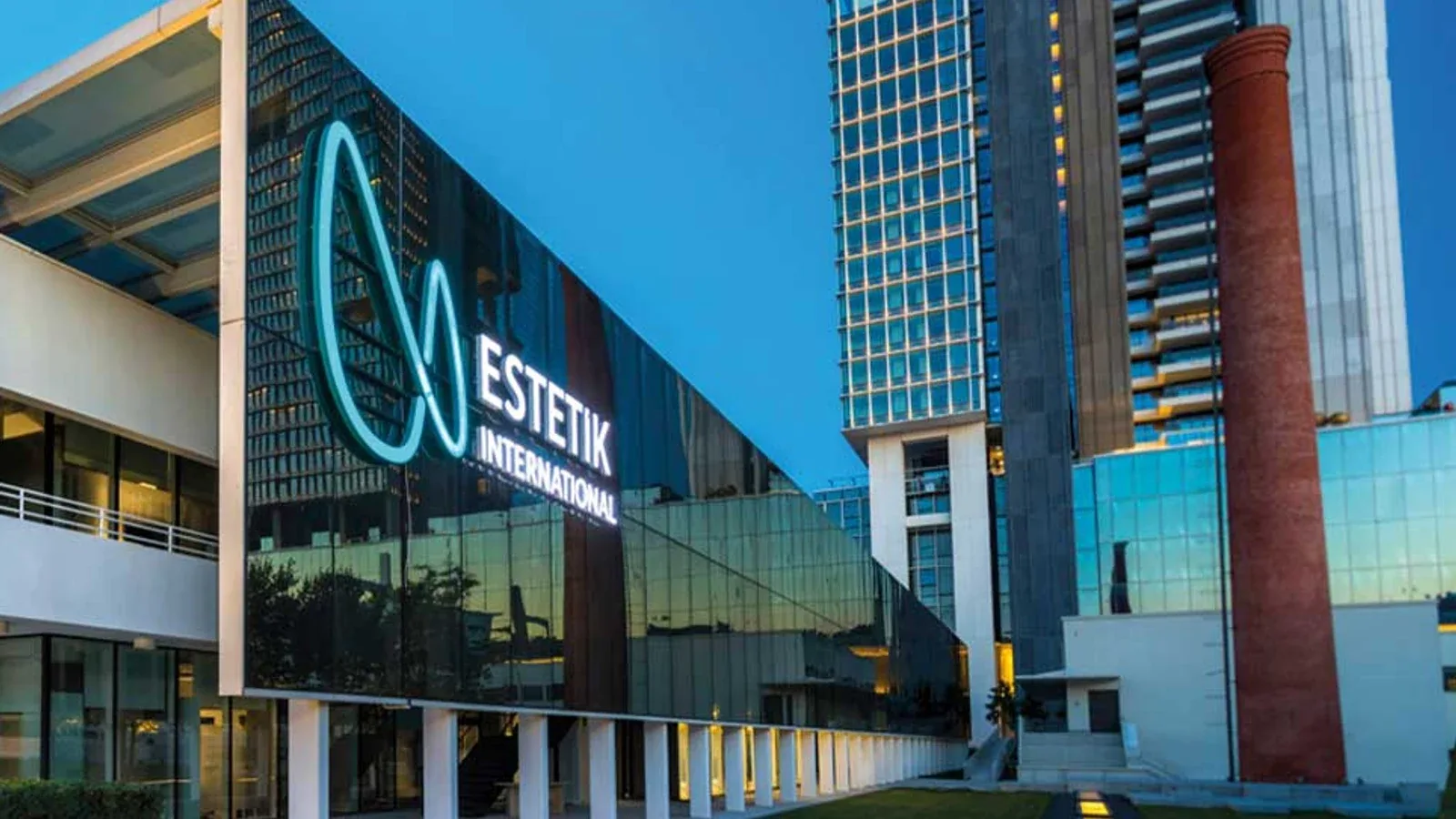
Estetik International Mecidiyeköy
istanbul
- Specialties
- 3

Liv Hospital Bahçeşehir
istanbul
- Specialties
- 24

Liv Hospital Ulus
istanbul
- Specialties
- 24

Acıbadem Maslak Hospital
istanbul
- Specialties
- 29

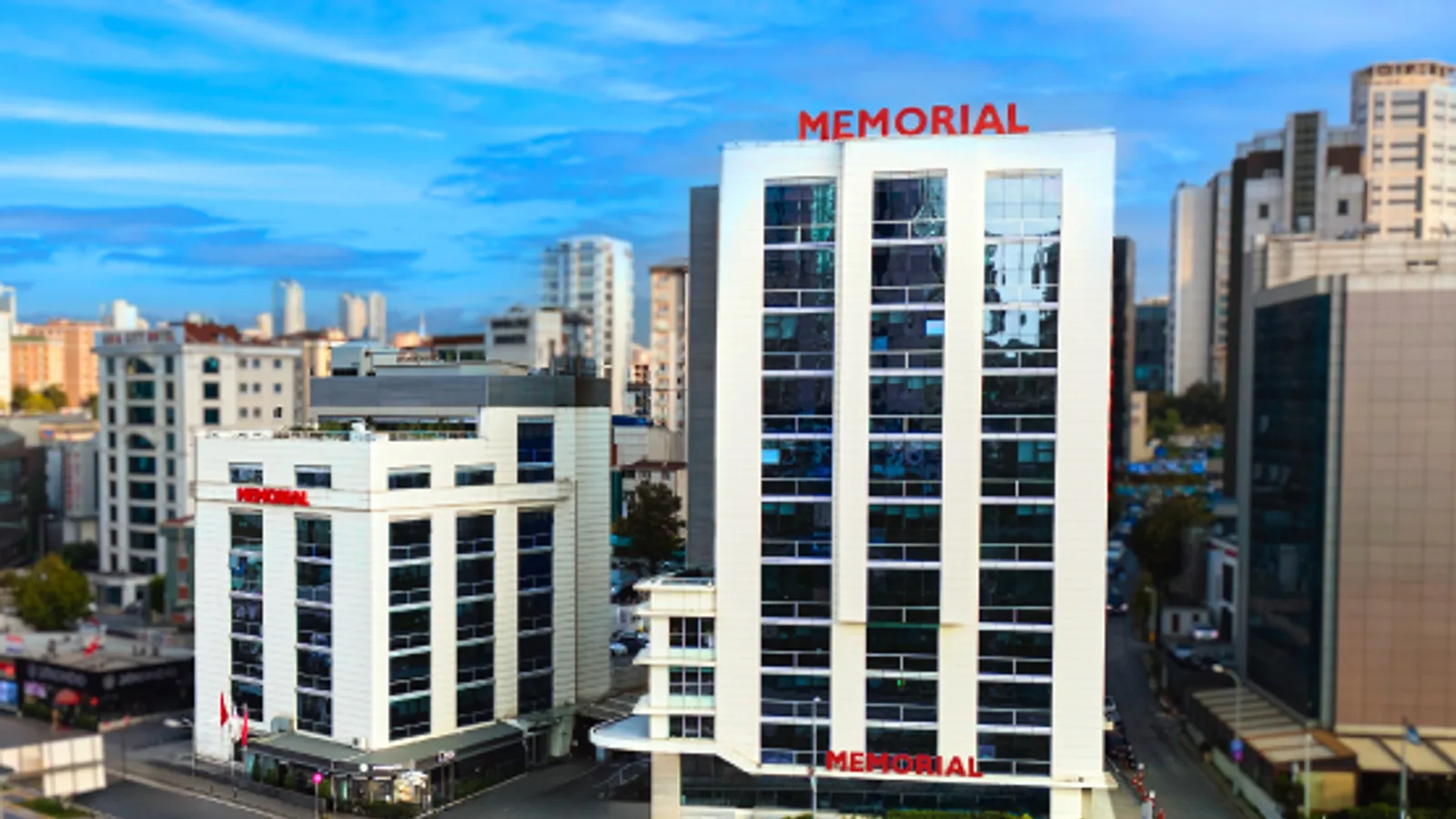
Memorial Bahçelievler Hospital
istanbul
- Specialties
- 31

Memorial Şişli Hospital
istanbul
- Specialties
- 29
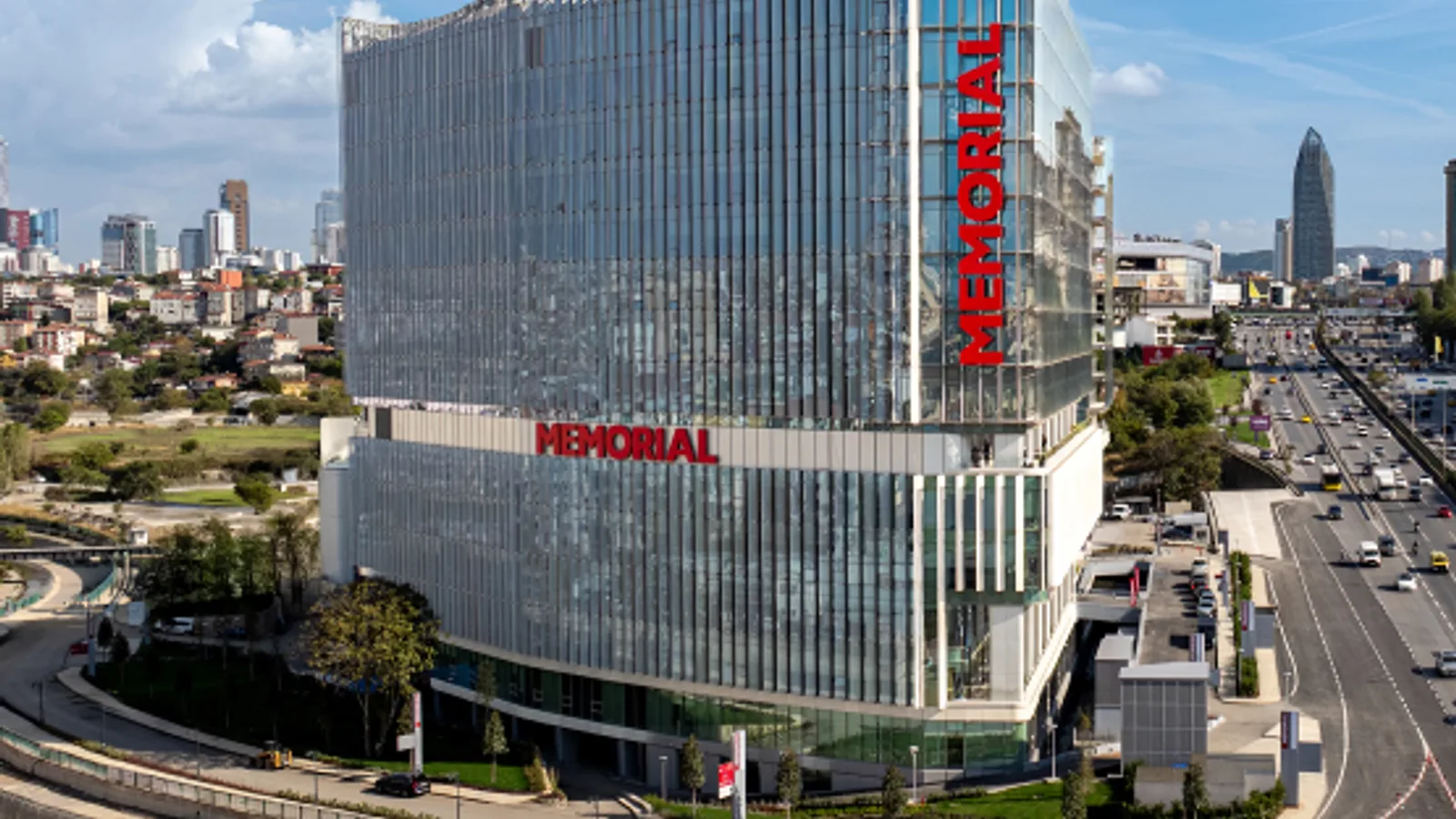
Memorial Göztepe Hospital
istanbul
- Specialties
- 24

Memorial Ataşehir Hospital
istanbul
- Specialties
- 28
Specialties
Not sure which hospital fits your case?
Upload your medical records and let AI match you to the right hospital.
Upload records and get matched