Radiotherapy
Istanbul
Radiotherapy in Istanbul is available at 12 hospitals in the Voumed network.
Radiotherapy uses precisely targeted high-energy radiation to destroy cancer cells while sparing as much of the surrounding healthy tissue as possible, which makes it one of the most widely used and effective cancer treatments. It is given as a series of short daily sessions, called fractions, spread over a few weeks, and in most cases it is entirely outpatient, so there is no operation and usually no hospital stay. Many people travel abroad for radiotherapy to reach advanced linear accelerators, careful treatment planning and experienced radiation oncology teams, often as one part of a combined plan with surgery or drug treatment. Because the course runs daily over several weeks, the central planning question is whether to stay in the destination city for the whole course or to split the work, and how to coordinate with the home oncologist. With good organisation, the precise, modern delivery available abroad can be matched to a travel plan that fits the patient's life.
On this page
At a glance
- Setting
- almost always outpatient; each session takes only a few minutes
- Course length
- usually a few days to about seven weeks, depending on the cancer and technique
- Session frequency
- typically once daily, five days a week, with weekends off; focused techniques use far fewer sessions
- Recovery between sessions
- little to none early on; localised tiredness or skin reactions build gradually over the course
- Coordination with home care
- a written plan and records let follow-up and any late-effect checks continue with a doctor near home
- Painless delivery
- the beam itself is felt as nothing, similar to having an X-ray taken
What it is
Radiotherapy is the use of carefully measured radiation to damage the genetic material inside cancer cells so that they can no longer divide and eventually die. Healthy cells are better at repairing this kind of damage than cancer cells, so spreading the dose over many small daily fractions lets normal tissue recover between sessions while the tumour is steadily worn down. The radiation can be delivered from a machine outside the body, known as external beam radiotherapy, or from a radioactive source placed temporarily inside or next to the tumour, known as brachytherapy. Modern techniques shape the radiation tightly to the target, allowing high doses to the tumour while critical nearby structures are protected. Radiotherapy can be the main treatment, or it can be used before surgery to shrink a tumour, after surgery to clear any remaining cells, alongside chemotherapy to make both more effective, or simply to relieve symptoms such as pain.
When it is recommended
Radiotherapy is recommended for a very wide range of cancers, because radiation can be aimed at almost any part of the body. It is a mainstay of treatment for cancers of the breast, lung, prostate, cervix, rectum and head and neck, for many brain tumours, and for controlling symptoms from cancer that has spread to bone or other sites. The intent may be to cure, to lower the risk of the cancer returning after an operation, or to ease pain and other symptoms when the disease is advanced. Highly focused forms such as stereotactic radiosurgery and stereotactic body radiotherapy are used for small, well-defined targets such as brain metastases or early lung tumours, delivering a powerful dose in just a few sessions. The decision is made by a multidisciplinary team that weighs the tumour type, its location and stage, and the patient's overall health, so the right technique and dose are matched to the individual case.
How it is given
The course begins not with treatment but with planning. A CT planning scan is taken with the patient lying in the exact treatment position, often with a custom mask or mould to hold the body still and make each session reproducible. On these images the radiation oncologist outlines the target and the nearby organs to protect, and a medical physicist designs the precise beam arrangement and dose. Small skin marks or tiny tattoos are used as daily alignment references. Treatment itself is then delivered on a linear accelerator: the patient lies still, the machine moves around the body, and each session lasts only a few minutes and is completely painless. Before the radiation is switched on, imaging at the machine confirms the position matches the plan to within a fraction of a millimetre. Sessions are usually given once a day, five days a week, with the dose divided into fractions so healthy tissue can recover; focused techniques deliver larger doses in only one to five sessions. Brachytherapy, where used, places the radioactive source close to the tumour for a short, controlled time.
Candidacy and preparation
Most patients whose cancer can be reached and targeted are candidates for radiotherapy, and because there is no operation it is often suitable for people who are not fit for surgery. Preparation centres on the planning visit: the diagnosis and stage are confirmed with biopsy and imaging, and the CT planning scan and any immobilisation devices are prepared so that delivery is accurate from the first session. Depending on the site, additional steps may be advised, such as a dental review before head and neck treatment, bladder or bowel preparation for pelvic treatment, or breathing-control techniques for chest tumours. Patients are counselled in advance about the likely side effects for their specific treatment area. For international patients much of the work-up can begin remotely, with scans, pathology and reports reviewed before travel, so that on arrival the planning scan can be done promptly and the daily course started with little delay.
Recovery and planning your treatment abroad
Radiotherapy has no single recovery moment; instead, early sessions usually cause little or nothing, and any side effects, such as tiredness or a skin reaction in the treated area, build gradually over the weeks and then settle in the weeks after the course ends. Because treatment is daily over several weeks, the main decision when travelling is whether to stay in the destination city for the whole course or to divide it. Many patients choose to complete the planning and the entire daily course abroad, since each session is short and the schedule is fixed, then return home for follow-up; comfortable accommodation near the centre makes this straightforward. Highly focused techniques that need only a few sessions can be completed in a much shorter trip. Whatever is decided, the destination team provides a full written record of the dose delivered, the technique used and the follow-up needed, so that later checks and the monitoring of any late effects can continue safely with a doctor near home, with the original team reachable for advice. International patient offices commonly arrange interpreters, accommodation close to the centre and a daily timetable that fits the treatment.
Risks, safety and results
Radiotherapy is a precise and well-established treatment, and modern planning keeps the dose to healthy organs within strict safe limits, but it can still cause side effects that are mostly confined to the area being treated. Common, temporary effects include tiredness and, depending on the site, skin redness, a sore mouth or throat, or changes in bladder or bowel habit; these are actively managed with creams, medicines, nutritional support and good skin care, and they usually ease within weeks of finishing. A smaller number of late effects, such as tissue stiffening, swelling from lymphoedema or longer-term changes in a treated organ, can appear months or years later and depend on the dose, the volume treated and individual sensitivity; they are watched for in follow-up. External beam radiotherapy leaves no radioactivity in the body, so patients are safe to be around others straight after each session. Response is reviewed with imaging and clinical checks during and after the course. Choosing an experienced team with modern equipment, keeping to the daily schedule and maintaining contact between home and destination doctors are the keys to a safe course and the best result.
Frequently asked questions
These answers are general guidance and may vary by provider. Confirm the details with the hospital you choose.
How many radiotherapy sessions will I need and over how long?
It depends on the cancer type, the goal of treatment and the technique. A standard course often involves a daily session, five days a week, for anywhere from about three to seven weeks. Highly focused techniques such as stereotactic radiotherapy can deliver the same effect in only a few sessions. Your radiation oncologist will explain the exact schedule for your case at the planning stage.
Can part of my radiotherapy be done at home?
Radiotherapy is usually delivered as one continuous course on a specific machine, so unlike a course of tablets it is not generally split between centres mid-treatment. Most patients complete the whole daily course in the destination city, then return home for follow-up. What does transfer home is the detailed treatment record and the plan for follow-up and any late-effect checks, which your home doctor uses to continue your care.
When can I fly after radiotherapy?
Because each session is short and non-invasive, flying is generally fine during a course if the schedule allows and your team agrees, and it is straightforward once the course is finished. The main consideration is simply completing the daily sessions, since gaps can reduce effectiveness. Your team will confirm when you are clear to travel home and will plan the course around your travel where possible.
Does radiotherapy hurt, and will I be radioactive?
The radiation beam itself is completely painless; you feel nothing during a session, much like having an X-ray taken. After external beam radiotherapy there is no radioactivity left in your body, so you can be around family, including children, normally. Only certain forms of internal radiotherapy involve temporary precautions, and your team will explain these clearly if they apply.
Can radiotherapy and chemotherapy be given together?
Yes. Giving chemotherapy and radiotherapy at the same time, known as chemoradiotherapy, is standard for several cancers, including some head and neck, cervical, rectal and lung cancers, because the chemotherapy makes the cancer cells more sensitive to radiation. The combination is more intensive and the side effects are watched closely, so it is delivered by a coordinated team and the timing is planned carefully.
Is it safe to travel abroad for radiotherapy?
For most patients it is, provided the trip covers the planning and the full daily course without long interruptions. Because the treatment is outpatient and each session is brief, many people manage the course comfortably while staying near the centre. The destination team coordinates with your home doctor and provides a complete record for your continuing care, so travelling for an experienced team and modern equipment can be both safe and worthwhile.
How will my home oncologist stay involved after treatment?
Coordination is built into the plan. Your records and scans can be reviewed remotely before you travel, and at the end of the course you receive a full written summary of the radiation given, the technique used and the follow-up schedule. This lets your home oncologist take over monitoring, including watching for any late effects, while the destination team stays available to answer questions for as long as needed.
Not sure which hospital fits your case?
Upload your medical records and let AI match you to the right hospital.
Upload records and get matchedAvailable at these hospitals
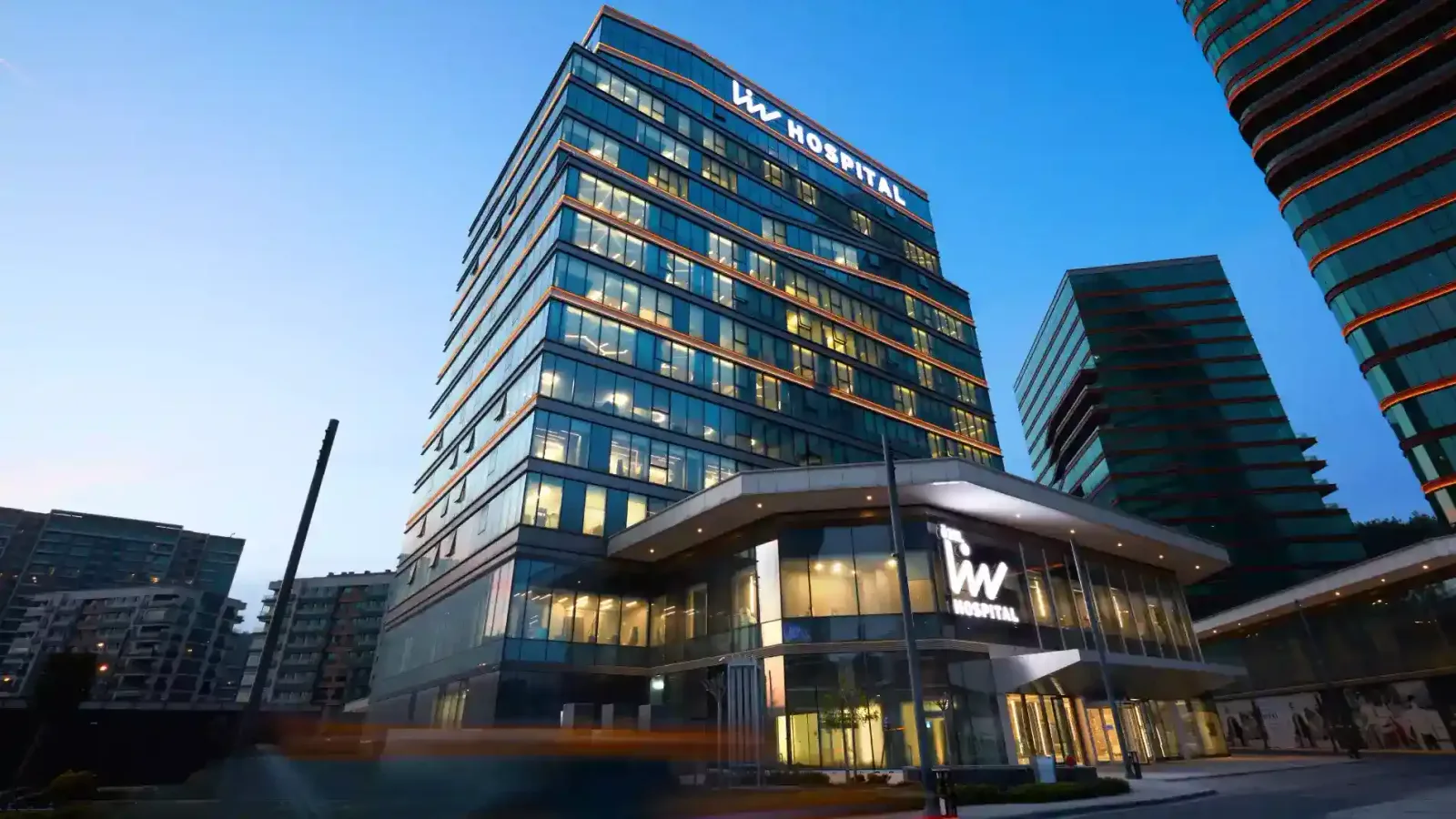
Liv Hospital Vadistanbul
istanbul
- Specialties
- 24
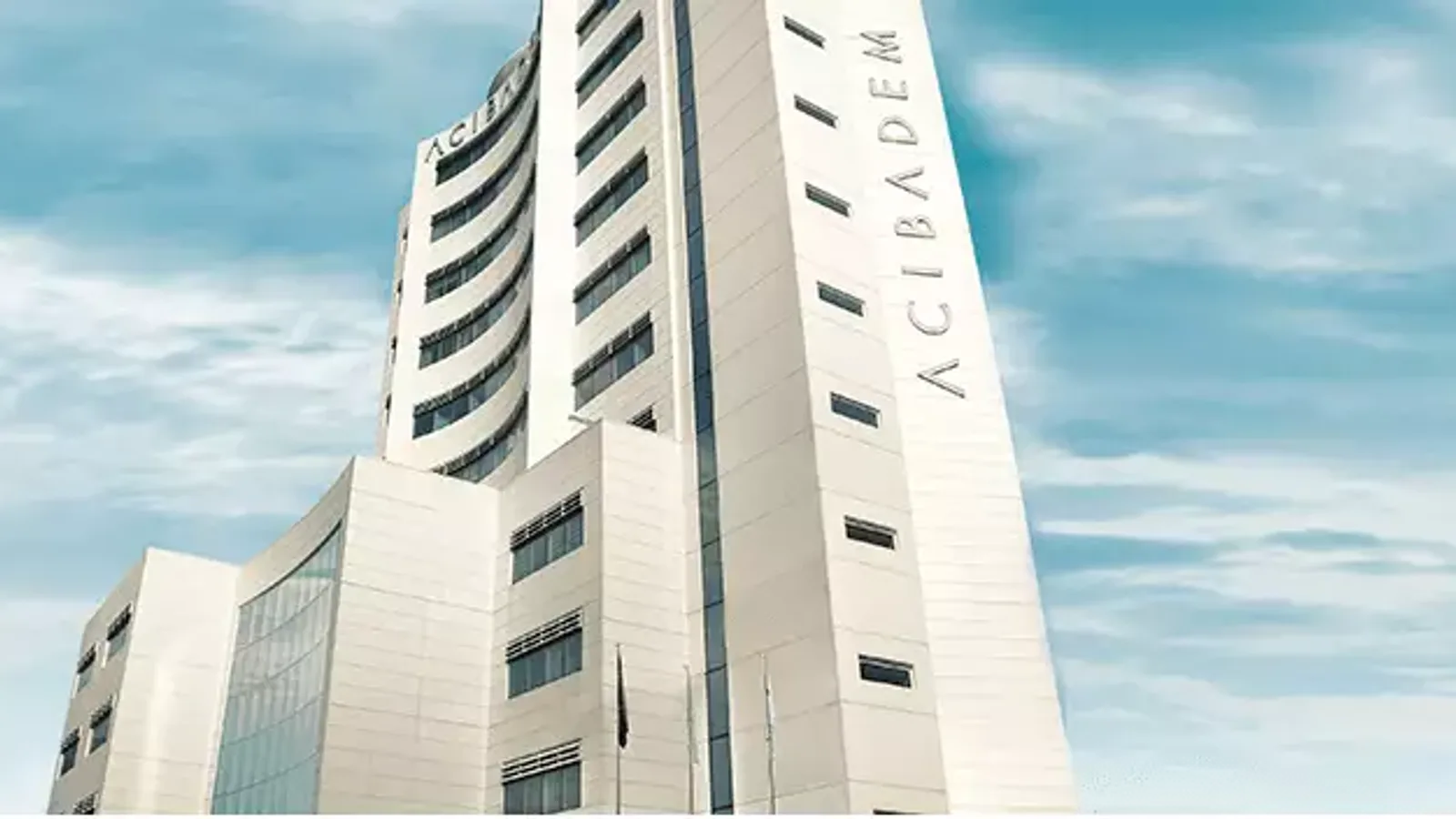
Acıbadem Altunizade Hospital
istanbul
- Specialties
- 28

Liv Hospital Topkapı
istanbul
- Specialties
- 18

Acıbadem Ataşehir Hospital
istanbul
- Specialties
- 29

Liv Hospital Bahçeşehir
istanbul
- Specialties
- 24

Liv Hospital Ulus
istanbul
- Specialties
- 24

Acıbadem Fulya Hospital
istanbul
- Specialties
- 22

Acıbadem Maslak Hospital
istanbul
- Specialties
- 29

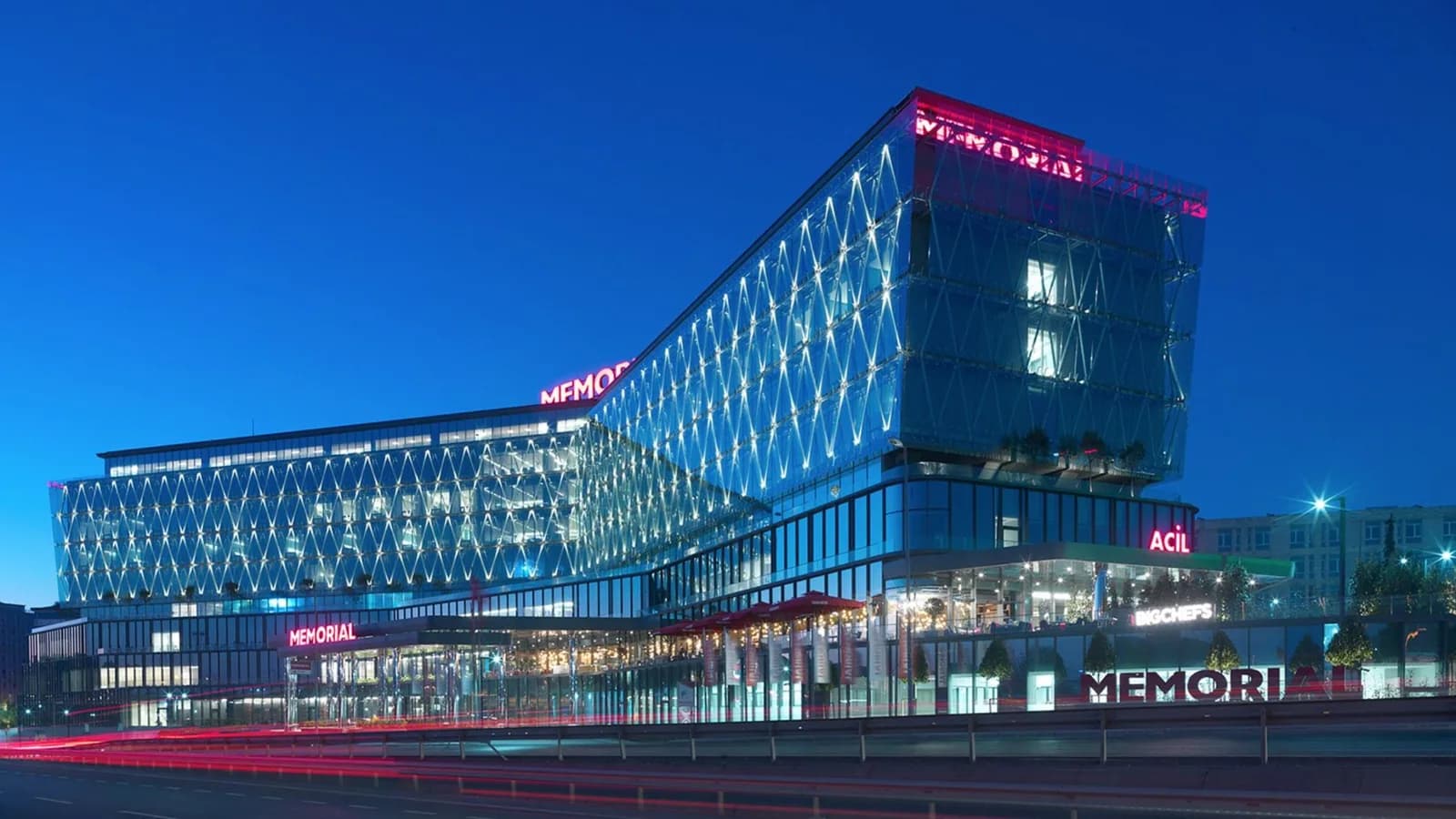
Memorial Bahçelievler Hospital
istanbul
- Specialties
- 31
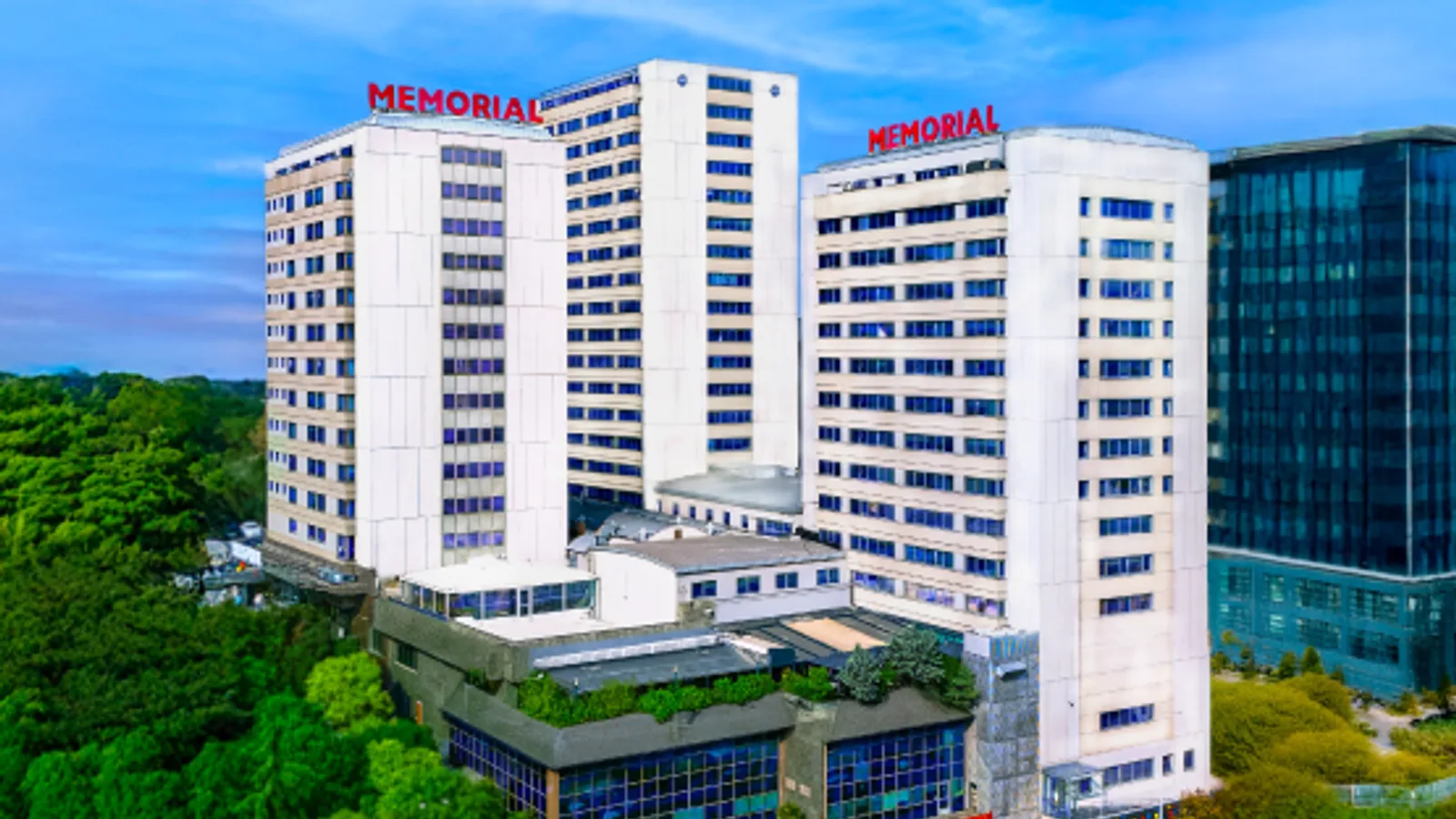
Memorial Şişli Hospital
istanbul
- Specialties
- 29
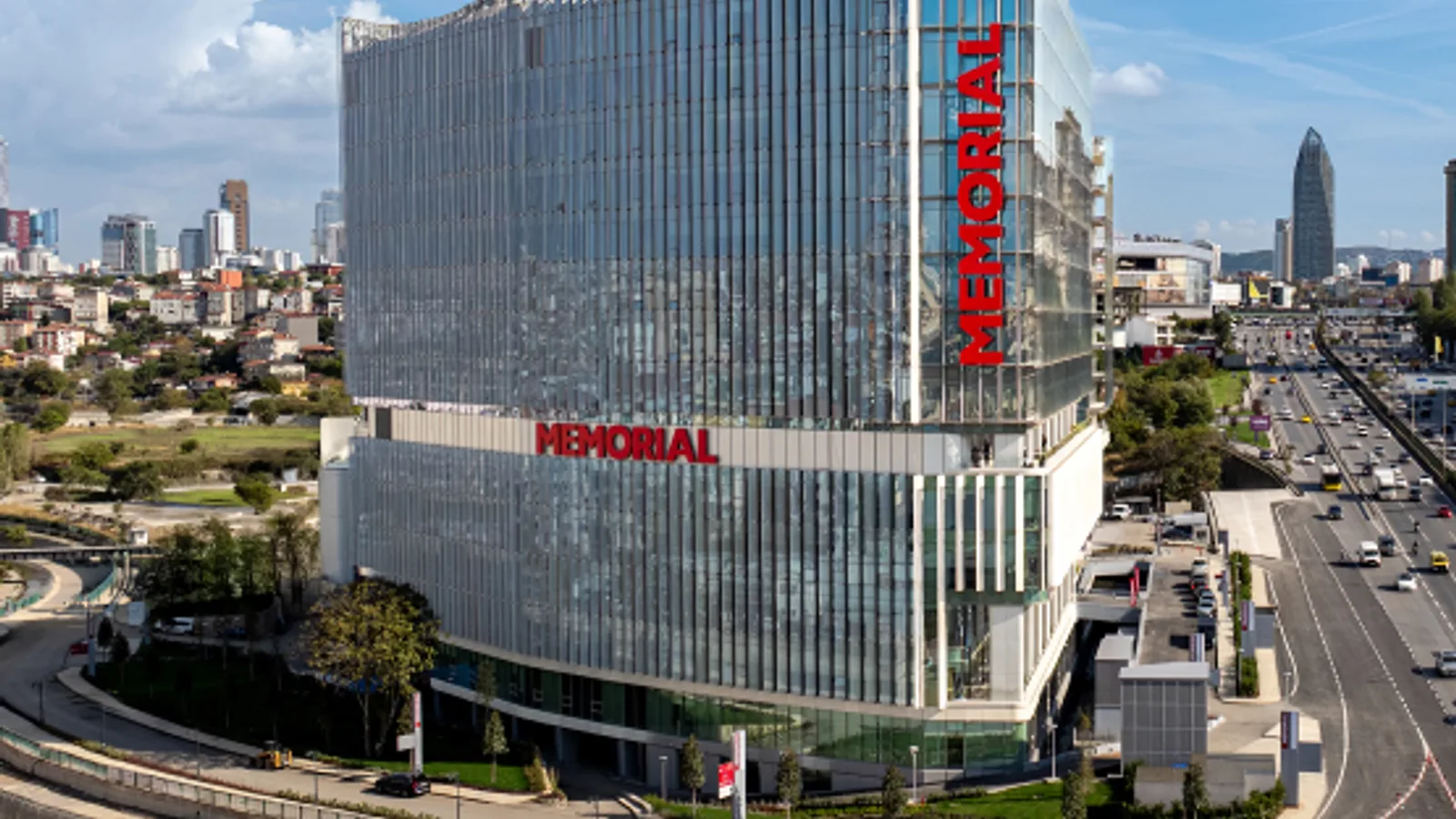
Memorial Göztepe Hospital
istanbul
- Specialties
- 24

Memorial Ataşehir Hospital
istanbul
- Specialties
- 28
Specialties
Not sure which hospital fits your case?
Upload your medical records and let AI match you to the right hospital.
Upload records and get matched